
health
UNICEF, FG Partner to Address Malnutrition Emergency in Sokoto State


UNICEF, the Federal Government and EU partners are joining forces to address the malnutrition emergency in Sokoto, pledging urgent funding and sustainable support

The Federal Government, in collaboration with the United Nations Children’s Fund (UNICEF), has launched an urgent response to tackle the malnutrition emergency in Sokoto State.
Also read: Nigeria Health System Fragility Costs Economy $1.2 Billion Yearly
A high-level delegation comprising representatives from UNICEF, the European Union (EU), Médecins Sans Frontières, and federal officials arrived in Sokoto on Saturday to mobilise support and funding to address the alarming rise in Severe Acute Malnutrition (SAM) among children.
Leading the delegation, Minister of Humanitarian Affairs and Poverty Alleviation, Prof Nantewa Yilwatda, described the situation as dire, citing recent data from the Nutrition SMART survey.
During a visit to Governor Ahmed Aliyu, the UNICEF Country Representative commended Sokoto’s commitment to combating malnutrition, especially its allocation of ₦500 million to the cause.
In a show of support, UNICEF pledged a ₦1.5 billion counterpart contribution, while urging the adoption of sustainable, locally driven solutions.
EU Ambassador to Nigeria and ECOWAS, Mr Gautier Mignot, echoed this support, reaffirming the EU’s commitment to protecting vulnerable children, particularly those facing life-threatening nutrition challenges.
Prof Yilwatda, sharing his personal experience as a former Internally Displaced Person (IDP), highlighted the connection between insecurity and food crises.
“There can be no food security without peace,” he stated, encouraging the state to utilise its agricultural strength to fight hunger.
He praised the ongoing collaboration between Sokoto and humanitarian partners and called for long-term strategies rooted in local capacity and resilience.
Governor Aliyu thanked the delegation and reaffirmed his administration’s dedication to ending child malnutrition.
The team later visited the Sokoto State Specialist Hospital, where they witnessed the devastating impact of SAM on children and the strain it placed on health workers.
Medical officials warned that supplies of Ready-to-Use Therapeutic Food (RUTF) could be depleted by September.
They appealed for the expansion of stabilisation centres, particularly in rural communities, and the urgent release of over 30 containers of RUTF currently stuck at Nigerian ports.
“This is no time for bureaucracy. We must act fast to save lives,” the minister warned.
Also read: Lagos Mandatory Health Insurance Enforcement Begins Early 2026
The delegation recommended that the Federal Government prioritise clearing RUTF shipments, scale up local food-based interventions, and encourage states to increase their investment in nutrition programmes.


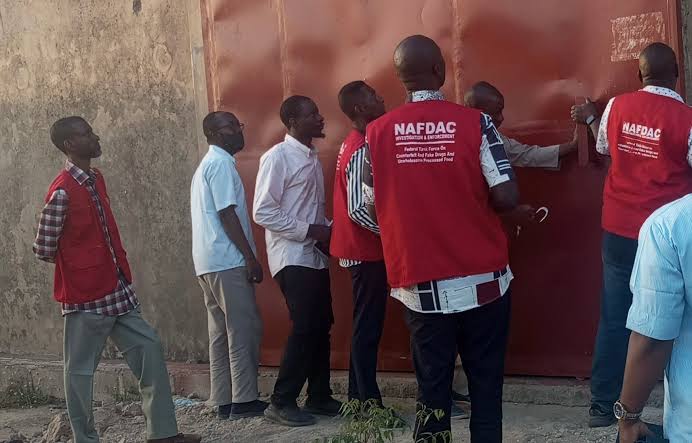
NAFDAC has uncovered nearly 11,400 cartons of banned agrochemicals, including Paraquat products, in Kano warehouses, raising fresh concerns about food safety and regulatory enforcement
FCCPC orders producers to comply with food fortification standards after a survey found inadequately fortified vegetable oil and salt in Nigerian markets
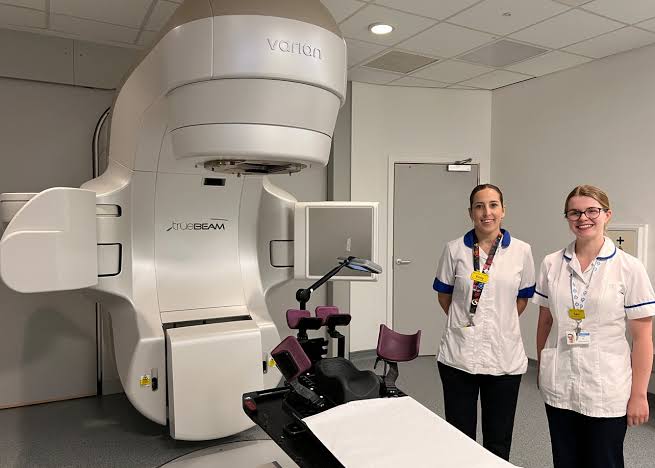
The UK is testing five-day breast cancer radiotherapy in a major trial that could reduce hospital visits and treatment costs for patients
The United Kingdom has launched a major clinical trial involving more than 1,000 participants to determine whether breast cancer radiotherapy can be shortened from three weeks to five days without compromising its effectiveness in preventing the disease from returning.
Also read: Grey CEO Urges Africa to Ditch Dollar for Trade
The government-funded FAST-Forward Boost trial, being conducted at 39 hospitals across the UK, will investigate whether a shorter course of radiotherapy combined with an additional targeted dose, known as a boost, can provide effective treatment for patients following breast cancer surgery.
The UK Department of Health and Social Care announced the development on Friday, October 30, describing the study as part of efforts to improve cancer treatment and make care more convenient for patients.
Led by the Institute of Cancer Research in London and funded by the National Institute for Health and Care Research, the study aims to recruit 4,830 participants by 2028.
Those enrolled will be followed up for five years, with results expected in 2033.
If the approach proves successful, it could reduce the number of hospital visits required by patients, potentially saving them 10 journeys compared with the existing three-week treatment schedule.
The department said the shorter schedule could also reduce transport expenses and the time patients spend away from work and family.
It could additionally ease pressure on the National Health Service by freeing up radiotherapy capacity for other patients.
Health and Social Care Secretary Yvette Cooper said the trial reflected the country’s efforts to use medical research to improve cancer care.
“This trial shows how the UK is using our world beating research capabilities to pursue huge improvements and transformations in cancer treatment for patients,” she said.
Why the radiotherapy trial matters
Radiotherapy uses carefully targeted radiation to destroy cancer cells or prevent them from growing.
For many people with breast cancer, it is recommended after surgery to reduce the risk of the disease returning in the treated area.
A treatment boost involves delivering an additional dose of radiation to the area considered to have a higher risk of recurrence, usually the site where the tumour was removed.
The FAST-Forward Boost trial is examining how this additional treatment can be incorporated into a shorter schedule.
Reducing treatment from three weeks to five days could make a considerable difference to patients who must travel regularly to hospitals.
The impact may be particularly significant for people living far from specialist cancer centres, those with limited transport options and patients balancing treatment with employment or family responsibilities.
However, the trial is designed to establish whether the shorter approach is effective and safe for the patients being studied. Its results will be important in determining whether the treatment schedule can become a wider option in clinical practice.
UK expands breast cancer screening efforts
The announcement comes as the British government intensifies efforts to improve breast cancer screening, encourage early diagnosis and strengthen support for patients.
The Department of Health and Social Care said screening uptake among women receiving their first invitation had risen to 63.6 per cent, its highest level in a decade.
Despite the improvement, around four in 10 women invited for their first screening appointment still do not attend.
The government is also working with the National Institute for Health and Care Research and NHS England on studies examining how artificial intelligence could support the analysis of mammograms.
The technology is being explored as a way to assist the assessment of breast screening images, although its role and effectiveness must be established through appropriate research and clinical evaluation.
In addition, the government has partnered with breast cancer charity Breast Cancer Now for three years to help women recognise symptoms, find reliable information and access support after treatment.
Together, the initiatives reflect a broader approach to breast cancer care, combining screening, research into treatment improvements and support for people living with the disease.
Also read: Grey CEO Urges Africa to Ditch Dollar for Trade
For now, the five-day radiotherapy approach remains under investigation. With final results not expected until 2033, the FAST-Forward Boost trial will need to establish whether reducing treatment time can deliver comparable cancer control while maintaining patient safety.
-
Politics3 years ago
13 Ondo Assembly Members Disown Endorsement of Aiyedatiwa
-
Politics3 years ago
APC Group, Ondo Govt, Quarrel Over Money for Endorsement
-

 Trending News6 years ago
Stop unsavoury, inciting statements – DSS warns
-

 Others5 years ago
Adron Homes Celebrates 10 Years Of Housing Excellence
-

 Humanity5 years ago
President Buhari Commiserates With Ambassador Maureen Tamuno Over The Loss Of Her Father
-

 Others7 years ago
EX- CUSTOMS BOSS, IBRAHIM MERA’S DWINDLING FAME
-

 Business3 years ago
Bigi Carbonated Soft Drinks Treats 40 Consumers to an Epic Easter Movie Hangout
-

 Business2 years ago
Wema Bank Shines at Global SME Finance Forum Conference Awards 2024 …Awarded: • SME Financier of the Year (Africa) • Platinum Award for Best Financier for Women Entrepreneurs (Africa)