News
NACC Mission Builds U.S. Ties, Promotes Regional Tastes in ‘Flavours Without Borders’ Campaign


Nigerian-American Trade Mission 2025 strengthens Nigeria–U.S. ties by promoting indigenous products, packaging innovation, and direct market access in Miami

Nigerian-American Trade Mission is set to make waves this September as it bridges vibrant Nigerian industries with lucrative U.S. markets in an ambitious initiative led by the Nigerian-American Chamber of Commerce (NACC).
Also read: Col. Sani Bello honoured with lifetime achievement award at NACC gala
From September 9 to 15, 2025, Miami, Florida, will host the Nigerian-American Trade Mission, themed “Flavours Without Borders.”
The mission is a dynamic leap toward deeper bilateral trade and investment, with a spotlight on Nigeria’s indigenous foods, spices, and value-added consumer goods.
Led by NACC President Alhaji Sheriff Balogun, the delegation will participate in the renowned American Food and Beverage Show, showcasing top-tier Nigerian products to U.S. buyers, distributors, and investors.
Delegates will also attend PACK EXPO in Las Vegas, exploring cutting-edge food safety technologies, packaging automation, and global compliance standards.
Participants will benefit from expert-led webinars, a welcome networking dinner, and a business cruise with U.S. trade reps—providing unmatched exposure and business matchmaking.
According to Dr. Violet Abdulkadir, Chairman of NACC’s Trade Mission Committee, Nigerian firms will enjoy direct access to U.S. supply chains, gaining insights into traceability, sustainability, and export readiness.
This Nigerian-American Trade Mission offers mutual benefits, also enabling U.S. firms to tap into reliable African sourcing and innovative consumer products for diaspora markets.
Also read: Dr. Jumoke Oduwole honoured with Distinguished Public Service Award by NACC
With sectoral focus on agriculture, packaging, food processing, and value-added goods, the mission reinforces NACC’s legacy as a powerhouse of commercial diplomacy.


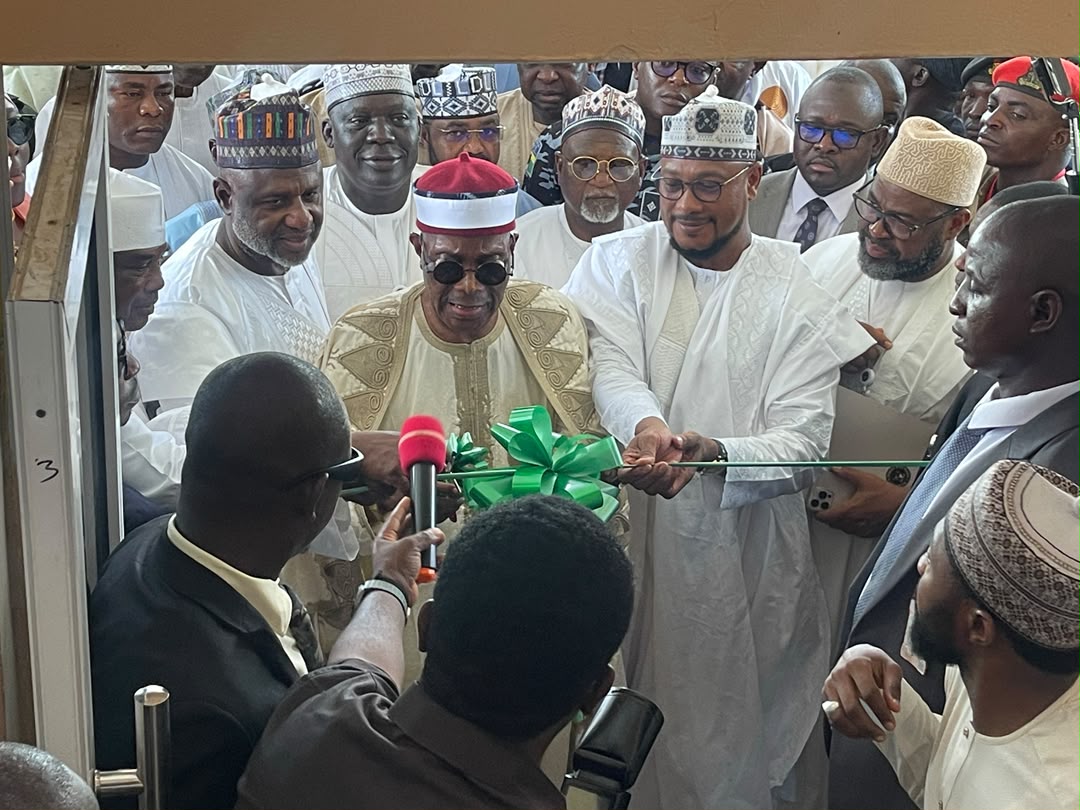
Zamfara Governor Dauda Lawal and former Military Administrator JB Yakubu commission the remodelled secretariat in Gusau as the state celebrates its 30th anniversary

Starbase Technologies promotes Yolly and rewards emerging creators at PodFest Naija 2026, highlighting new monetisation opportunities for Nigerian digital creators
-
Politics3 years ago
13 Ondo Assembly Members Disown Endorsement of Aiyedatiwa
-
Politics3 years ago
APC Group, Ondo Govt, Quarrel Over Money for Endorsement
-

 Trending News5 years ago
Stop unsavoury, inciting statements – DSS warns
-

 Others5 years ago
Adron Homes Celebrates 10 Years Of Housing Excellence
-

 Humanity5 years ago
President Buhari Commiserates With Ambassador Maureen Tamuno Over The Loss Of Her Father
-

 Others7 years ago
EX- CUSTOMS BOSS, IBRAHIM MERA’S DWINDLING FAME
-

 Business2 years ago
Bigi Carbonated Soft Drinks Treats 40 Consumers to an Epic Easter Movie Hangout
-

 Business2 years ago
Wema Bank Shines at Global SME Finance Forum Conference Awards 2024 …Awarded: • SME Financier of the Year (Africa) • Platinum Award for Best Financier for Women Entrepreneurs (Africa)