
News
Former Harvard Morgue Manager Sentenced to Eight Years for Selling Donated Body Parts

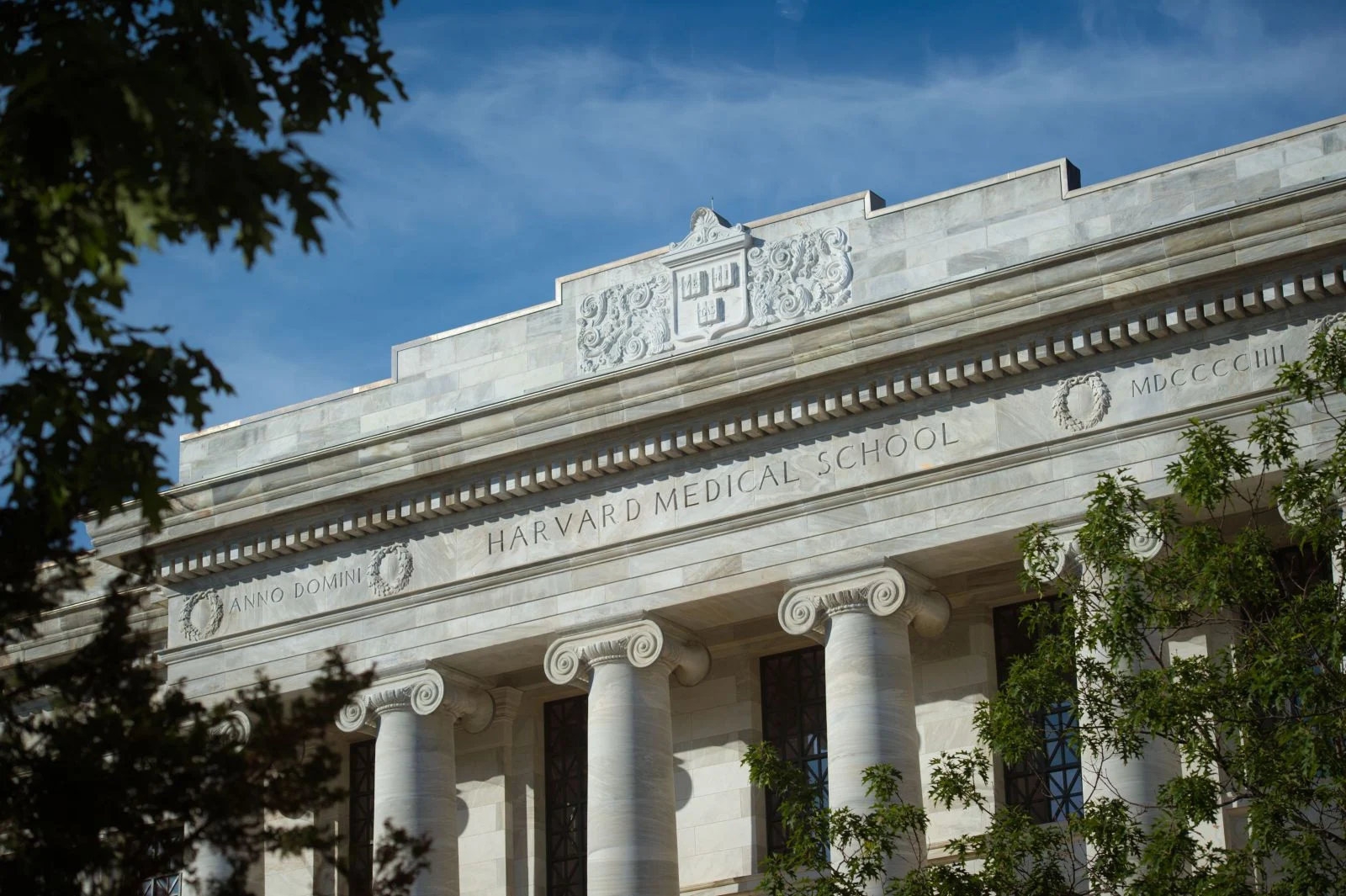
Cedric Lodge, former Harvard morgue manager, was sentenced to eight years in prison for stealing and selling donated human body parts. His wife received a one-year sentence

BOSTON, USA – A former morgue manager at Harvard Medical School, Cedric Lodge, 58, was sentenced on Tuesday to eight years in prison for stealing and selling human body parts donated for scientific research, according to the U.S. Justice Department.
Also read: Bola Tinubu Launches New Book, Bisi is the Boss
Lodge pleaded guilty in May 2025 to trafficking stolen human remains, including brains, internal organs, skin, hands, faces, and dissected heads, taken from 2018 through at least March 2020. He was terminated from Harvard in May 2023.
Investigators revealed that Lodge and his wife, Denise Lodge, 65, removed the body parts from the university near Boston and transported them to their home in Goffstown, New Hampshire, as well as locations in Massachusetts and Pennsylvania, without consent from Harvard, donors, or the donors’ families. The remains were then shipped to buyers in other states.
Denise Lodge was sentenced to one year in prison for her involvement.
Wayne A. Jacobs, Special Agent in Charge of the FBI’s Philadelphia Field Office, described the sentencing as a step toward holding those responsible for the “heinous crime” accountable.
The Justice Department noted that many of the stolen human remains were later resold at a profit, with several buyers already sentenced or awaiting sentencing.
Also read: Why Otunba Gbenga Daniel’s Image Has Been On The Rise
This case has drawn significant attention due to the high-profile nature of the institution involved and the sensitive ethical violations regarding donated human remains.



Former journalist recalls the friendships, newsroom battles and defining moments that shaped one of Nigeria’s most influential newspapers
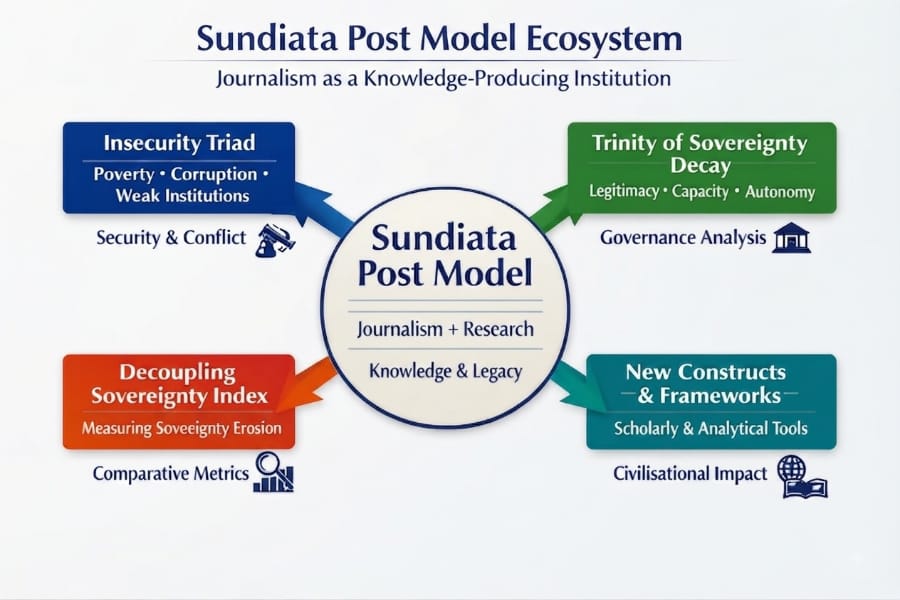
The seven-part framework proposes a knowledge-producing newsroom built around journalism, research, institutional memory and long-term stewardship
-
Politics2 years ago
13 Ondo Assembly Members Disown Endorsement of Aiyedatiwa
-
Politics2 years ago
APC Group, Ondo Govt, Quarrel Over Money for Endorsement
-

 Trending News5 years ago
Stop unsavoury, inciting statements – DSS warns
-

 Others5 years ago
Adron Homes Celebrates 10 Years Of Housing Excellence
-

 Humanity5 years ago
President Buhari Commiserates With Ambassador Maureen Tamuno Over The Loss Of Her Father
-

 Others7 years ago
EX- CUSTOMS BOSS, IBRAHIM MERA’S DWINDLING FAME
-

 Business2 years ago
Bigi Carbonated Soft Drinks Treats 40 Consumers to an Epic Easter Movie Hangout
-

 Business2 years ago
Wema Bank Shines at Global SME Finance Forum Conference Awards 2024 …Awarded: • SME Financier of the Year (Africa) • Platinum Award for Best Financier for Women Entrepreneurs (Africa)