
Business
Nigeria Bans Export of Eight Key Items in 2026


Nigeria’s FG announces 2026 export ban on maize, timber, raw hides, scrap metals, rubber, artifacts, and endangered wildlife to protect local industries and heritage

The Federal Government of Nigeria has unveiled a new export policy set to take effect in 2026, prohibiting eight key items from leaving the country.
Also read: NGE President Seeks Stronger Academia–Industry Synergy
The directive aims to strengthen local industries, safeguard cultural heritage, and protect endangered species.
The banned items include:
1. Maize – Restricted to secure food supply and ensure domestic consumption.
2. Timber – Both rough and sawn, to curb deforestation and encourage local processing.
3. Raw hides and skins – Including Wet Blue and unfinished leather (H.S. Codes 4101.2000.00 – 4108.9200.00), to boost Nigeria’s leather industry.
4. Scrap metals – Export restrictions intended to support local manufacturing and recycling sectors.
5. Unprocessed rubber latex and rubber lumps – To stimulate the local rubber processing industry and create jobs.
6. Artifacts and antiquities – Protected to preserve Nigeria’s cultural heritage and prevent illegal trade.
7. Wildlife animals and their products – Endangered species such as crocodiles, elephants, lizards, eagles, monkeys, zebras, and lions are prohibited, reflecting Nigeria’s commitment to biodiversity conservation.
Officials say the policy is part of a broader strategy to strengthen domestic value chains, encourage local processing, preserve historical treasures, and protect natural resources for future generations.
This announcement complements earlier import restrictions aimed at boosting Nigeria’s local industries and reducing dependence on foreign products.
Also read: NGE President Seeks Stronger Academia–Industry Synergy
By regulating exports and imports, the government hopes to foster economic growth and safeguard strategic resources.


Business
Can African Engineers Compete Globally? ChipMango Is Creating Opportunities in the semiconductor Industry

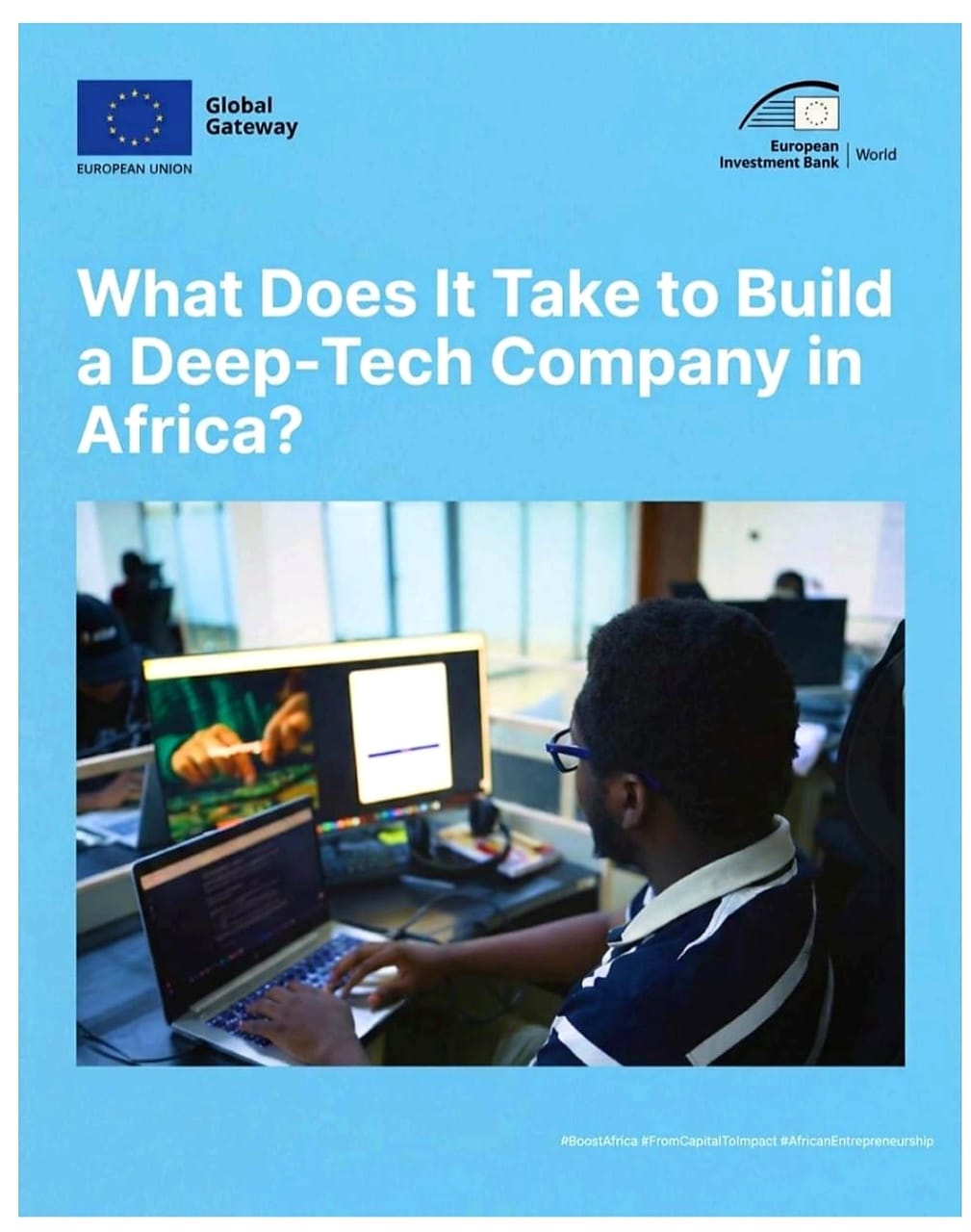
The semiconductor industry requires highly specialised engineering knowledge.
For African engineers, gaining access to professional tools, industry experience and international opportunities can open
important doors.
ChipMango is working at the intersection of talent development and commercial engineering, creating pathways for African expertise to contribute to a global industry.
The growth of businesses like ChipMango also highlights the importance of investment in Africa’s innovation ecosystem. Through Boost Africa, a joint initiative of the EIB and African Development Bank, supported by the European Union, the European Investment Bank helps mobilise financing through venture capital funds for innovative African businesses. Watch the video to hear the story behind ChipMango.
Watch the video:
Business
From Classroom to Industry: How ChipMango Is Preparing African Engineers for the Semiconductor Market
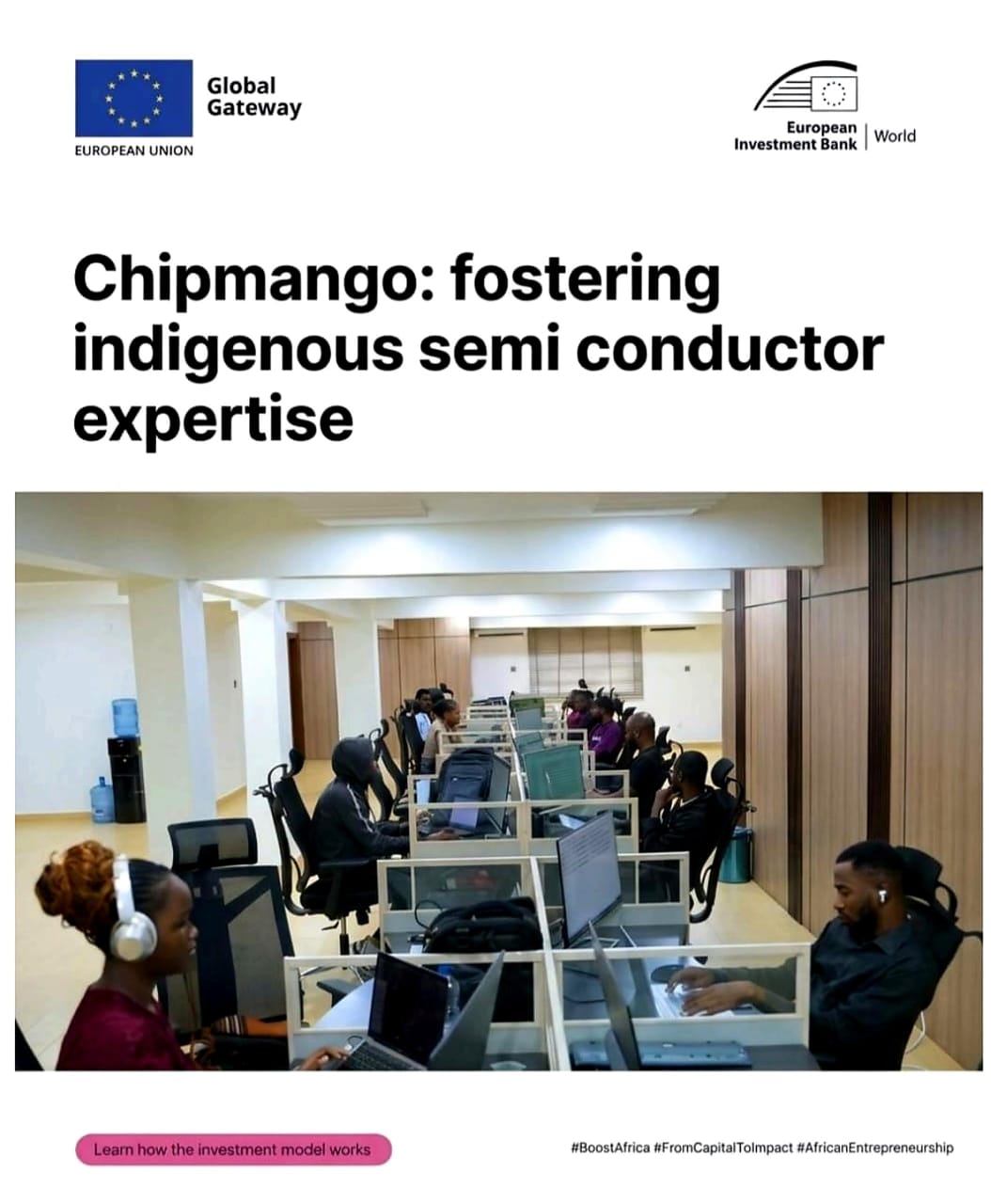
Studying engineering is one thing. Having the opportunity to apply that knowledge to real industry projects is another.
ChipMango connects industry-aligned learning with practical semiconductor design and verification work, giving
engineers a pathway to develop skills relevant to commercial projects.
Its work illustrates why investment in African innovation must also consider the talent, technical expertise and infrastructure required to build competitive businesses.
Through Boost Africa, the European Investment Bank (EIB) supports African entrepreneurship by investing through venture capital funds, helping innovative businesses access the capital and support they need to develop and grow.
Watch the video to learn more about ChipMango’s approach.
Watch the video:
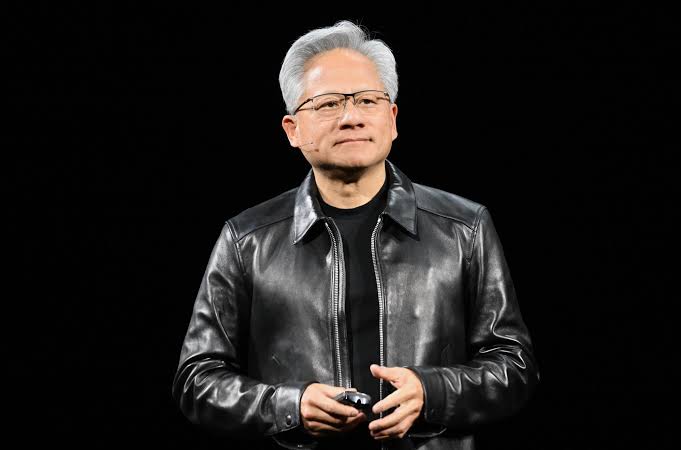
Jensen Huang resigns as NVIDIA CEO after 33 years, with CFO Colette Kress appointed interim chief as the board searches for a successor
-
Politics3 years ago
13 Ondo Assembly Members Disown Endorsement of Aiyedatiwa
-
Politics3 years ago
APC Group, Ondo Govt, Quarrel Over Money for Endorsement
-

 Trending News6 years ago
Stop unsavoury, inciting statements – DSS warns
-

 Others5 years ago
Adron Homes Celebrates 10 Years Of Housing Excellence
-

 Humanity5 years ago
President Buhari Commiserates With Ambassador Maureen Tamuno Over The Loss Of Her Father
-

 Others7 years ago
EX- CUSTOMS BOSS, IBRAHIM MERA’S DWINDLING FAME
-

 Business3 years ago
Bigi Carbonated Soft Drinks Treats 40 Consumers to an Epic Easter Movie Hangout
-

 Business2 years ago
Wema Bank Shines at Global SME Finance Forum Conference Awards 2024 …Awarded: • SME Financier of the Year (Africa) • Platinum Award for Best Financier for Women Entrepreneurs (Africa)