Politics
Bariga/Shomolu Federal Constituency 2027: Why the Cap Fits Kola Alabi David

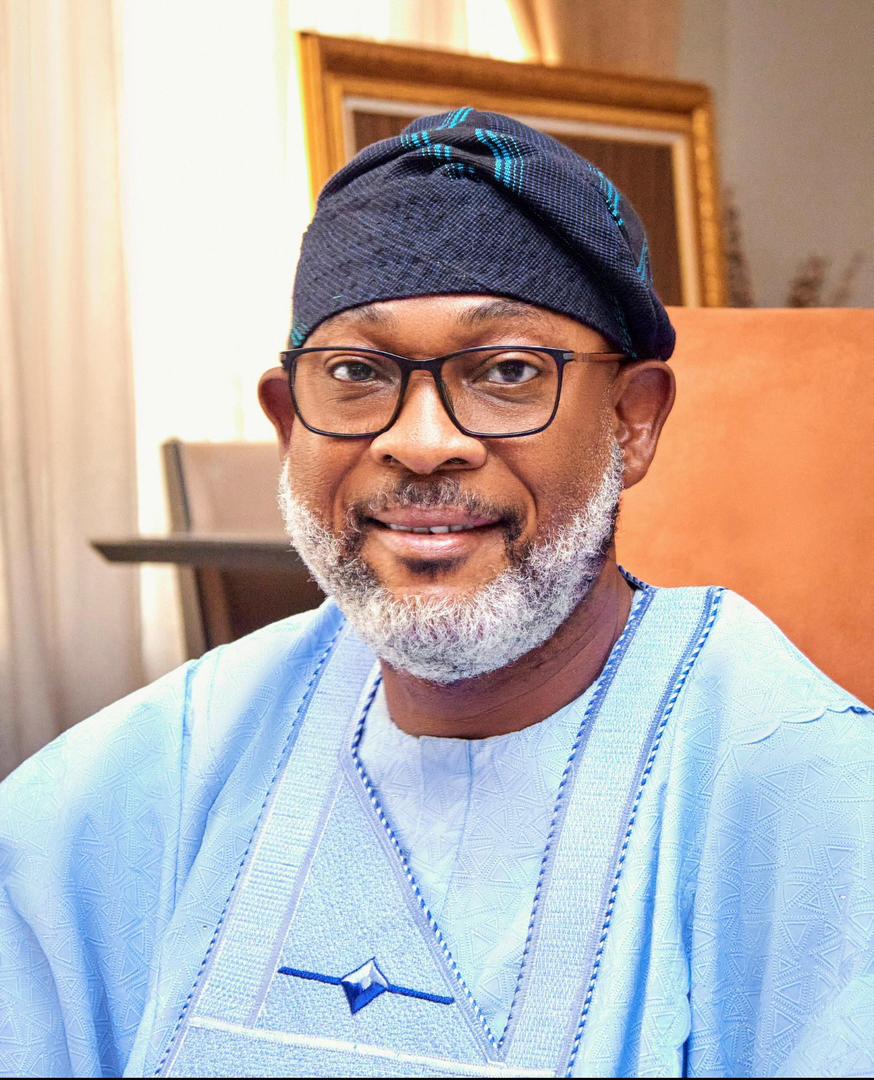
As political activities begin to gather momentum ahead of the next electoral cycle, stakeholders and residents of Bariga/Shomolu Federal Constituency are increasingly confronted with a critical question: who possesses the competence, structure, and track record to effectively represent the constituency at the House of Representatives?

Among the names being considered, Alabi Kolade David, popularly known as Kola Alabi, has emerged as a strong and compelling option, with many political observers arguing that his experience and performance in public office make him a natural fit for the role.
Kola Alabi’s political journey is deeply rooted in Bariga. Having served as Vice-Chairman of Bariga Local Council Development Area (LCDA) between 2009 and 2015, and later as Executive Secretary, he rose to become the Executive Chairman in 2017, a position he has held for two terms. This steady progression through the ranks reflects not only continuity but also sustained trust from the people he serves.
During his time as chairman, Bariga has witnessed notable transformation across key sectors. His administration has prioritized grassroots development, delivering infrastructural projects that have improved mobility and overall living conditions within the LCDA. Roads, drainage systems, and community facilities have seen measurable upgrades, contributing to a more functional and accessible environment for residents.
In the area of healthcare, his government initiated the expansion of primary healthcare services, ensuring that all wards within Bariga have access to functional health centres. This effort has significantly improved access to basic medical care, particularly for low-income residents.
Education has also received considerable attention under his leadership. Through school renovations, construction of new learning facilities, and support for educational initiatives, his administration has contributed to improving the standard of public education within the community.
Beyond infrastructure and social services, Kola Alabi has consistently emphasized human capital development. Youth empowerment programmes, support for small businesses, and inclusive initiatives targeting women have formed a core part of his governance strategy, helping to stimulate economic participation at the grassroots level.
His influence extends beyond Bariga. As former National President of the Association of Local Governments of Nigeria (ALGON), he played a significant role in advocating for local government autonomy and strengthening governance frameworks across the country. This experience has given him exposure to national policy discussions and intergovernmental relations, positioning him as a leader with both local relevance and broader political insight.
His performance in office has earned him several recognitions, including awards for grassroots governance and public service excellence. These honours, while symbolic, reflect a pattern of leadership that has been acknowledged beyond his immediate constituency.
Observers also point to his leadership style, often described as inclusive and people-oriented. His ability to maintain strong connections with community stakeholders, traditional institutions, and political structures has been cited as one of his key strengths.
With the responsibilities of a member of the House of Representatives requiring a blend of legislative understanding, grassroots connection, and the capacity to attract development, many believe that Kola Alabi’s profile aligns closely with these demands.
As conversations continue and political alignments take shape, one sentiment appears to be gaining traction across Bariga and Shomolu: if experience, performance, and grassroots credibility are the deciding factors, then the cap, indeed, fits Kola Alabi David.


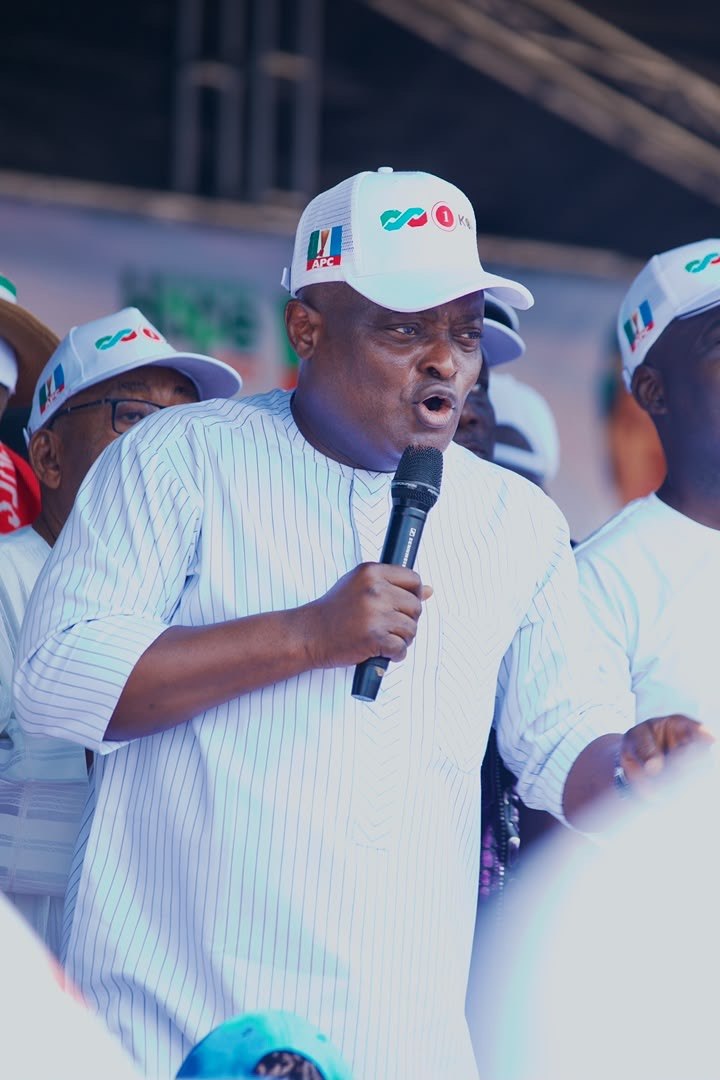
The Speaker of the Lagos State House of Assembly, Mudashiru Ajayi Obasa, has flagged off the All Progressives Congress campaign in Agege Federal Constituency with a mega rally at Amoo Field, Orile Agege.
The rally, held on Wednesday, September 30, brought together APC leaders, party members, traditional and religious leaders, trade associations, artisans and representatives of different communities in the area.
Obasa, who is the APC candidate for the Agege Federal Constituency seat in the House of Representatives, urged supporters to take the party’s campaign to homes, markets, artisan groups, places of worship and community associations ahead of the general election.
Addressing the gathering, he said the party should not be satisfied with a narrow victory but should seek to improve on its previous electoral performance.
“Let us join hands and make sure we deliver. It is not just about victory; we must surpass our previous votes. Sound it loud to everybody, all trade associations, artisans, tribes, religious and traditional leaders. We have the numbers, and we will pour it into the APC,” Obasa said.
He called on supporters to mobilise votes for President Bola Ahmed Tinubu, the APC governorship candidate in Lagos, Dr Kadri Obafemi Hamzat, the Lagos West senatorial candidate, Senator Idiat Oluranti Adebule, and himself in the Agege Federal Constituency.
Obasa said the campaign message should reach different sections of the constituency before election day, with supporters expected to engage residents and encourage them to participate in the electoral process.
He also described the turnout at the rally as an indication of support and cohesion within the party in Agege.
“Agege is always one. And we will continue to be one. There is nothing wrong with our party in Agege,” he said, while dismissing opposition voices and rumours about the party’s structure in the area.
The Speaker also urged party members and supporters to avoid conflict during the campaign, stressing that voters should be allowed to choose their preferred representatives.
“We must try to avoid conflict, because at the end of the day, the people will vote for their representatives, the people they truly want. Nobody can force anyone on the people,” he said.
Obasa’s remarks come as political parties intensify grassroots mobilisation ahead of the general election, with Agege remaining an important constituency in Lagos’s political landscape.
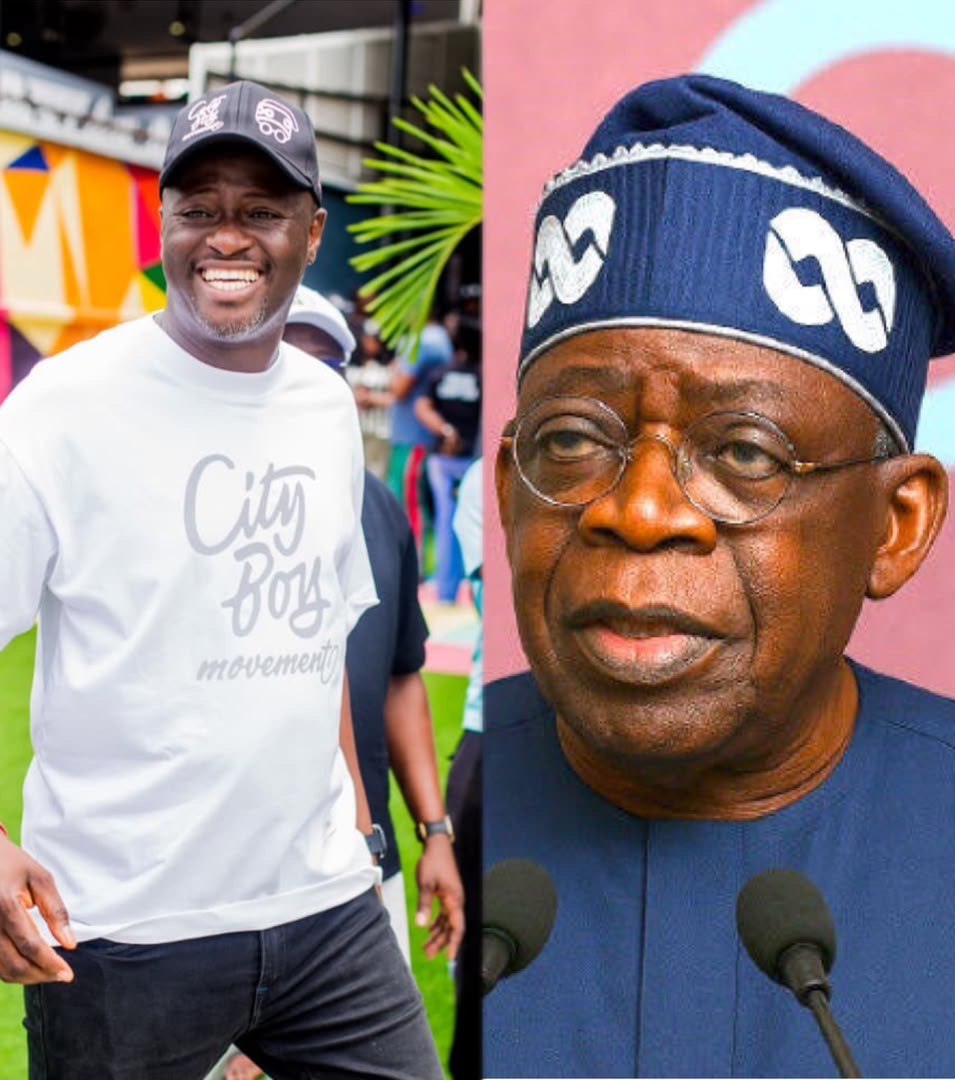
The Lagos State chapter of the City Boy Movement has felicitated President Bola Ahmed Tinubu, Nigerians and Lagos residents on the occasion of the country’s 66th Independence anniversary, praising the administration’s economic and youth-focused reforms.
In a goodwill message issued by the movement’s Lagos director, Barrister Moyosore Ogunlewe, the group said the Tinubu administration had recorded progress in infrastructure, economic diversification, youth empowerment and governance since assuming office.
Ogunlewe, who also serves as Zonal Director, Youth Mobilisation, South-West of the APC Presidential Campaign Council, acknowledged that the President was not perfect but argued that his administration had demonstrated the political will to tackle some of the country’s longstanding challenges.
“Like no one is perfect, President Tinubu is not perfect. Nevertheless, he has remained a kind-hearted leader with an exceptional eye for talents, putting round pegs in round holes,” he said.
He added that, in his view, the administration had demonstrated “vision and foresight” through the implementation of the Renewed Hope Agenda.
The movement highlighted several youth-focused initiatives, including the Nigerian Education Loan Fund, 3 Million Technical Talent programme, Technical and Vocational Education and Training initiatives, NiYA, YouthCred, CrediCorp, the Nigeria Youth Investment Fund, iDICE and programmes implemented through SMEDAN.
Some of these initiatives have been publicly identified by the Federal Government as part of its efforts to expand access to education, digital skills, technical training, entrepreneurship and financing for young Nigerians. The government said in September that it was also targeting five million young Nigerians through skills acquisition and empowerment programmes under its National Poverty Reduction with Growth Strategy.
Ogunlewe also cited the administration’s electricity-sector reforms, data protection legislation, economic reforms and investments in healthcare and education as areas where he said the government had made progress.
He described the removal of petrol subsidy as a bold decision, arguing that it had reduced opportunities for corruption and freed government resources for development.
The subsidy removal, along with foreign exchange and other fiscal reforms, has remained one of the most significant and controversial parts of the Tinubu administration’s economic programme. While the government has argued that the measures were necessary to stabilise the economy, the reforms have also contributed to significant cost-of-living pressures, with the International Monetary Fund acknowledging improved macroeconomic outcomes while noting that conditions remain difficult for many Nigerians.
On the economy, Ogunlewe said the reforms were attracting investment, supporting job creation and laying the foundation for diversification.
The Presidency has similarly pointed to economic growth, improved external reserves, increased investment and reforms in the foreign exchange, fiscal and financial sectors as signs of progress. In the second quarter of 2026, Nigeria’s economy recorded 4.43 per cent year-on-year growth, according to figures cited by the President.
On security, the City Boy Movement said the administration had strengthened intelligence gathering and inter-agency collaboration while implementing social intervention programmes aimed at reducing hardship.
Ogunlewe also linked his assessment of Tinubu’s administration to his experience at the grassroots, saying he had learnt from the President’s approach to governance while bringing government closer to residents in Kosofe Local Government.
“I have learned a great deal from our President by bringing governance to our people in Kosofe Local Government – transparency, timely service delivery and cost-effectiveness,” he said.
The Lagos chapter of the movement was inaugurated in July with a stated focus on youth and grassroots mobilisation. At the inauguration, Ogunlewe said the organisation intended to promote youth participation, national unity and civic engagement beyond electoral campaigns.
The group has also openly positioned itself as a supporter of Tinubu’s administration and its 2027 re-election bid. The movement’s national leadership previously told the Vice-President, Kashim Shettima, that it was committed to mobilising support for the administration’s programmes and initiatives.
As Nigeria marks 66 years of independence, Ogunlewe called for continuity of the administration’s policies, saying he believed Tinubu’s record warranted another term in office.
“President Bola Ahmed Tinubu is the best for a united Nigeria at this critical point in our 66-year history. He deserves our full support for a second term to secure a brighter future and the continuity of the Renewed Hope Agenda,” he said.
The statement was signed by Hon. Kanbi Owolabi, Assistant Director, Print Media, City Boy Movement, Lagos State Chapter.

-
Politics3 years ago
13 Ondo Assembly Members Disown Endorsement of Aiyedatiwa
-
Politics3 years ago
APC Group, Ondo Govt, Quarrel Over Money for Endorsement
-

 Trending News5 years ago
Stop unsavoury, inciting statements – DSS warns
-

 Others5 years ago
Adron Homes Celebrates 10 Years Of Housing Excellence
-

 Humanity5 years ago
President Buhari Commiserates With Ambassador Maureen Tamuno Over The Loss Of Her Father
-

 Others7 years ago
EX- CUSTOMS BOSS, IBRAHIM MERA’S DWINDLING FAME
-

 Business2 years ago
Bigi Carbonated Soft Drinks Treats 40 Consumers to an Epic Easter Movie Hangout
-

 Business2 years ago
Wema Bank Shines at Global SME Finance Forum Conference Awards 2024 …Awarded: • SME Financier of the Year (Africa) • Platinum Award for Best Financier for Women Entrepreneurs (Africa)