
Business
Umar Pledges Strong Energy Security Amid NMDPRA Reforms


NMDPRA energy security reforms Umar pledge sees the agency chief commit to stronger fuel supply stability, regulatory efficiency, and national energy security

The Chief Executive of the Nigerian Midstream and Downstream Petroleum Regulatory Authority (NMDPRA), Rabiu Umar, has pledged sweeping reforms aimed at strengthening energy security and ensuring stable fuel supply across Nigeria.
Also read: Dangote Highlights Excessive Spending by NMDPRA Chief, Calls for Probe
NMDPRA energy security reforms Umar pledge followed his screening on May 5, 2026, during which lawmakers commended his industry expertise, professionalism, and strategic vision for the petroleum sector.
Nominated by President Bola Ahmed Tinubu on April 29, 2026, Umar is tasked with reinforcing regulatory effectiveness and accelerating reforms under the Petroleum Industry Act.
During his appearance before lawmakers, he outlined a reform agenda focused on supply stability, regulatory efficiency, investor confidence, and nationwide product availability.
He stressed that global disruptions, including geopolitical tensions affecting major shipping routes, would continue to influence fuel prices but should not destabilise Nigeria’s domestic supply system.
“Global events may affect prices, but they should not define Nigeria’s stability. Our task is to build a petroleum system strong enough to absorb shocks,” Umar said.
He explained that his administration would prioritise strengthening Nigeria’s 22 depots, maintaining adequate stock buffers, and improving coordination across relevant agencies to ensure consistent fuel availability nationwide.
Umar emphasised that true energy security is measured by accessibility rather than storage volumes alone.
“Energy security is not measured only by volumes in storage. It is measured by whether fuel is available when Nigerians need it,” he stated.
With over two decades of experience in the petroleum and industrial sectors, Umar has held senior roles in major organisations including Oando Plc, Ashaka Cement Plc, and the Dangote Group, where he served as Group Chief Commercial Officer until recently.
His nomination has already received backing from key industry stakeholders, including petroleum marketers and retail operators, who described his appointment as timely and well-suited to address sector challenges.
Umar also promised to reposition the NMDPRA as a more efficient and investment-friendly regulator by eliminating bureaucratic delays and improving service delivery.
“The NMDPRA under my leadership will be firm in regulation, fair in conduct, and fast in execution,” he said.
Also read: Nigeria LPG Supply Falls Amid Rising Prices and Middle East Crisis
Industry observers say his reform agenda signals a potential shift toward stronger regulatory credibility, improved supply-chain efficiency, and increased private sector participation in Nigeria’s downstream petroleum industry.


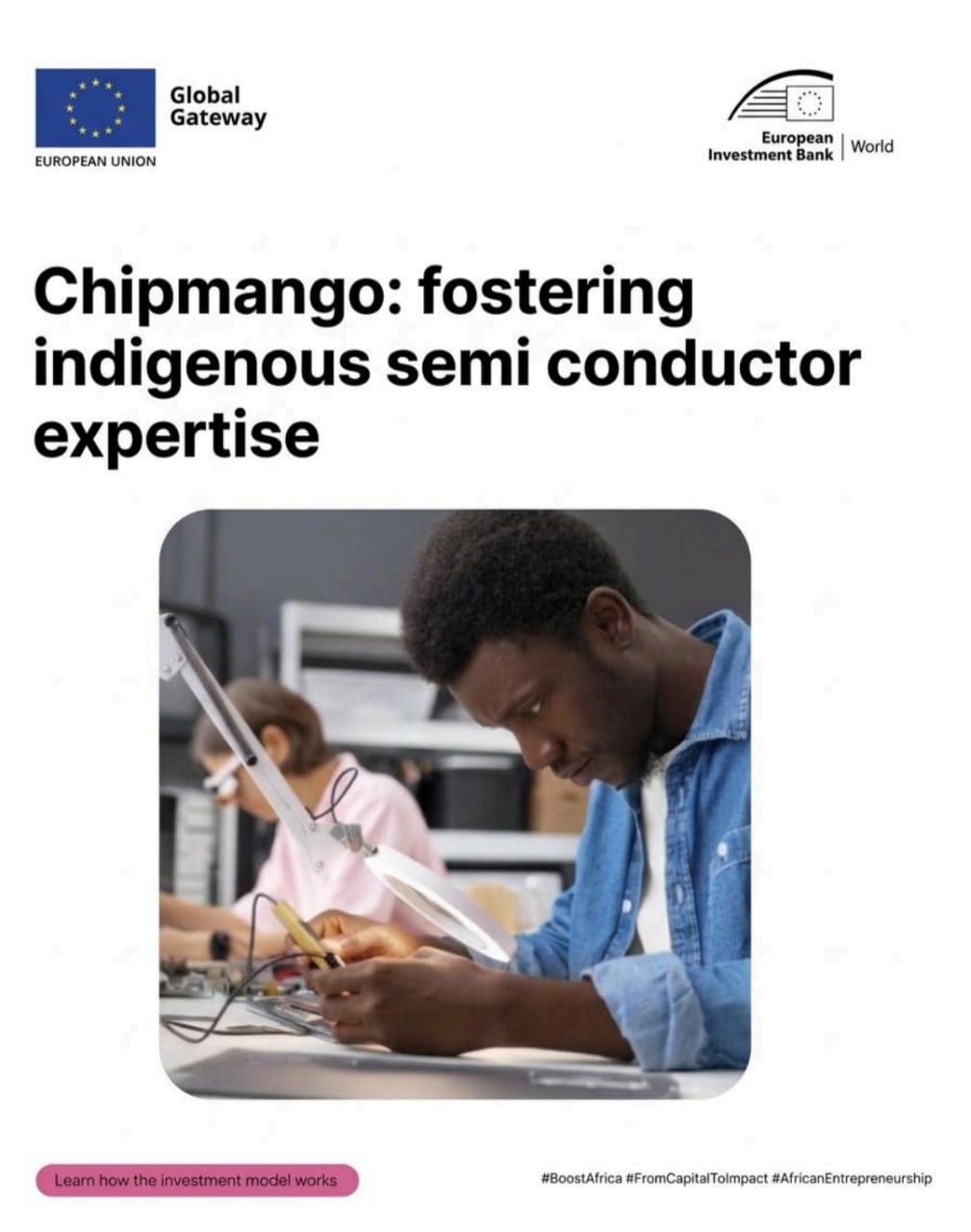
Africa’s technology ecosystem has produced innovative fintech, e-commerce and digital service companies. But there is another important part of the technology value chain that deserves attention: semiconductor engineering.
ChipMango is developing capabilities in chip design, verification and emerging hardware technologies. Its story demonstrates the kind of specialised innovation that deserves greater investment and attention.
Through Boost Africa, a joint initiative of the European Investment Bank (EIB) and African Development Bank, supported by the EU, the EIB helps channel investment through venture capital funds to innovative African enterprises. Discover how this
investment ecosystem is helping create opportunities for businesses working on Africa’s technological future.
Watch the video:
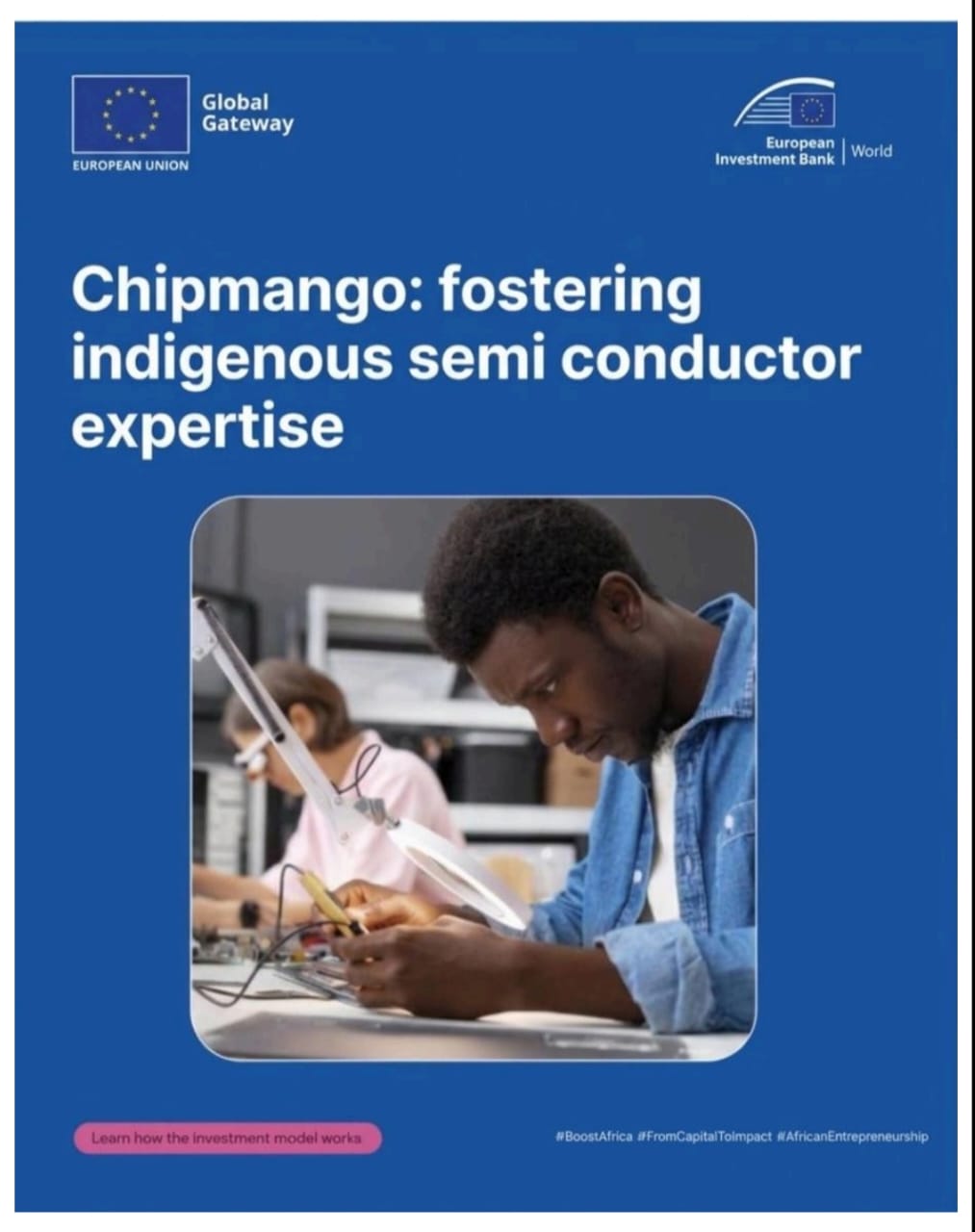
From smartphones and laptops to vehicles and AI systems, semiconductors are essential to modern technology. Yet, the expertise required to design these components remains concentrated in a relatively small number of global
technology hubs.
ChipMango is working to expand access to semiconductor engineering skills and commercial opportunities for African engineers. Its journey also highlights why initiatives such as EIB’s Boost Africa matter. By supporting venture capital funds investing in innovative African businesses, Boost Africa helps strengthen the financing ecosystem needed to develop specialised technology companies. Watch the video to learn how ChipMango is contributing to Africa’s place in the global technology industry.
Watch the video:
Business
ChipMango: Building Nigeria’s Semiconductor Engineering Capabilities for the Global Tech Industry

Africa’s participation in the global technology industry should go beyond
using digital products and services.
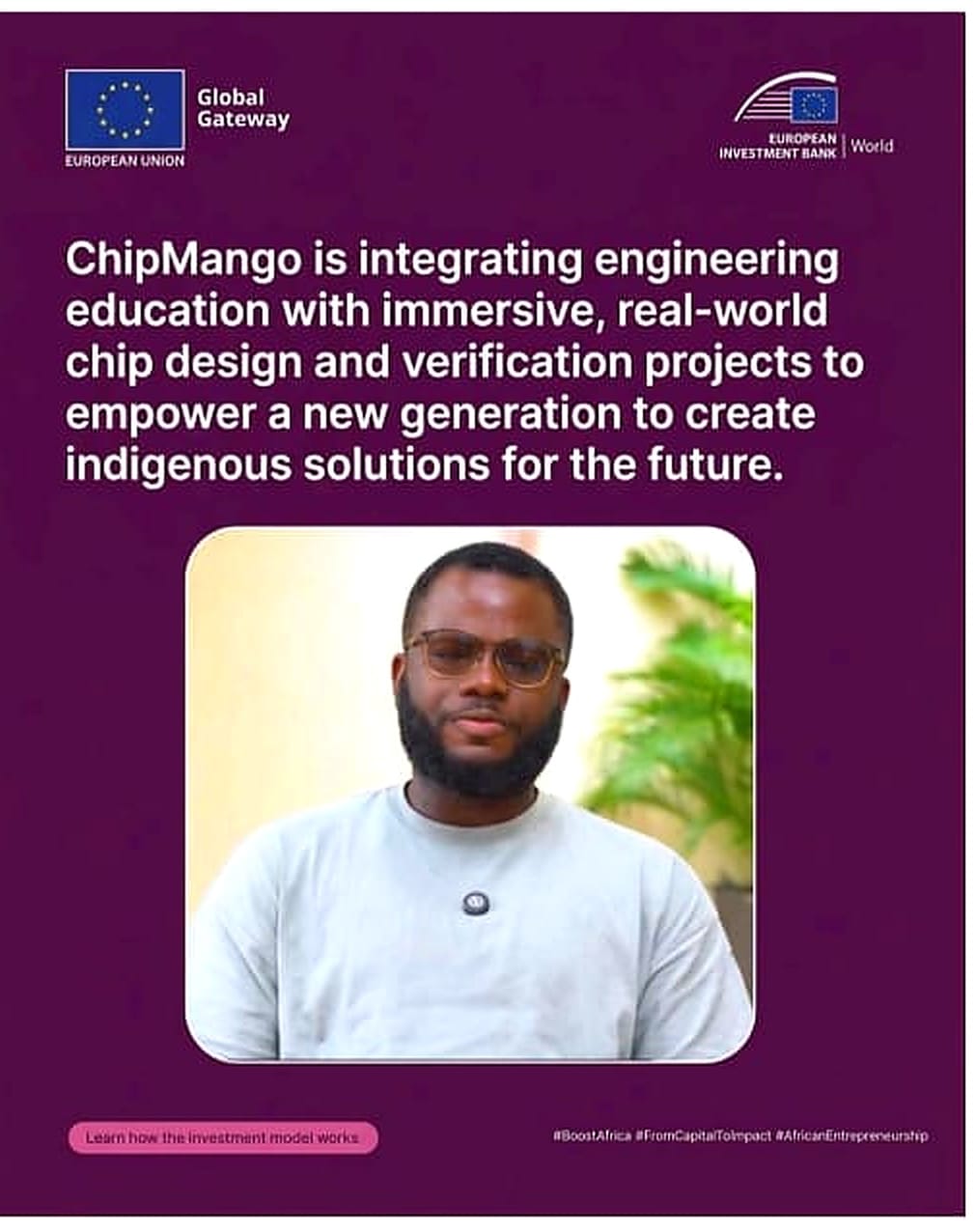
African engineers also have an opportunity to contribute to the technologies themselves, including the semiconductors that power smartphones, computers, vehicles and artificial intelligence.
Nigerian semiconductor technology company ChipMango is working to develop this capability by connecting engineering education with practical chip-design and verification projects.
Through its investment in African venture capital funds, the European Investment Bank (EIB), under the Boost Africa
initiative, is helping strengthen the ecosystem that supports innovative businesses like ChipMango.
Boost Africa is a joint initiative of the EIB and African Development Bank, supported by the European Union.
Watch the video to discover ChipMango’s story and the opportunities it is helping create.
Watch the video:
-
Politics3 years ago
13 Ondo Assembly Members Disown Endorsement of Aiyedatiwa
-
Politics3 years ago
APC Group, Ondo Govt, Quarrel Over Money for Endorsement
-

 Trending News6 years ago
Stop unsavoury, inciting statements – DSS warns
-

 Others5 years ago
Adron Homes Celebrates 10 Years Of Housing Excellence
-

 Humanity5 years ago
President Buhari Commiserates With Ambassador Maureen Tamuno Over The Loss Of Her Father
-

 Others7 years ago
EX- CUSTOMS BOSS, IBRAHIM MERA’S DWINDLING FAME
-

 Business3 years ago
Bigi Carbonated Soft Drinks Treats 40 Consumers to an Epic Easter Movie Hangout
-

 Business2 years ago
Wema Bank Shines at Global SME Finance Forum Conference Awards 2024 …Awarded: • SME Financier of the Year (Africa) • Platinum Award for Best Financier for Women Entrepreneurs (Africa)