
News
Emir of Kano Praises Dauda Lawal’s Work in Zamfara

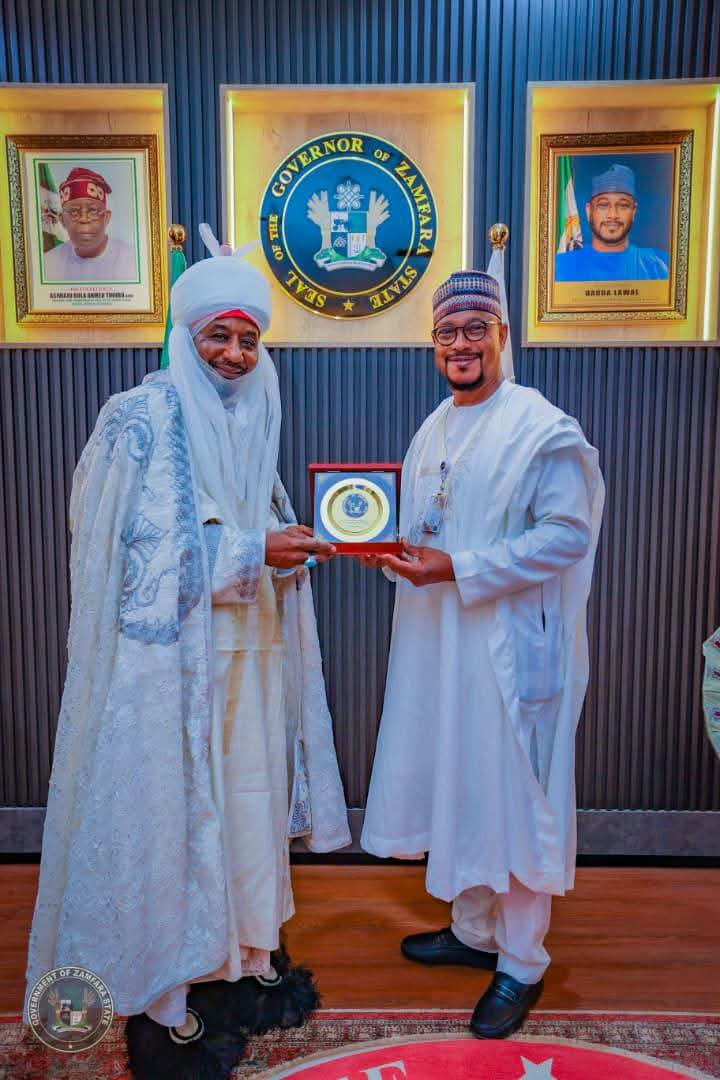
Emir of Kano praises Dauda Lawal after commissioning Gusau’s rebuilt Zawiyya Mosque and Islamiyya School, highlighting development across Zamfara
The Emir of Kano, His Highness Muhammadu Sanusi II, has praised Zamfara State Governor Dauda Lawal for his administration’s development efforts, particularly in education, healthcare, security and infrastructure, during the commissioning of the reconstructed Zawiyya Mosque and Islamiyya School in Gusau, Zamfara State, on Friday, 6 November 2026.

Muhammadu Sanusi II, who attended the ceremony as the guest of honour, said the quality of the reconstruction was particularly impressive to those familiar with the institution’s former condition.
Also read:Boost Africa Connects Capital to African Businesses
The Emir also commended the governor for what he described as encouraging work across several sectors of the state.
The ceremony marked an important moment for the historic Islamic institution, which has a longstanding association with Islamic scholarship and religious education in Gusau.
Speaking at the event, the Emir said the transformation of the Zawiyya was best appreciated by people who had seen its previous structure.
“I am delighted with this work. May Almighty Allah reward His Excellency,” the Emir said.
He also acknowledged Governor Lawal’s wider development efforts, noting that his assessment was informed partly by a longstanding acquaintance with the governor dating back to his career in the banking industry.
“I can see the good work you are doing in Zamfara State in education, health, security, and infrastructure,” Muhammadu Sanusi II said.

The Emir added that he was not surprised by the governor’s performance because he had known him before his entry into public office.
“I am not surprised, as I have known your governor since his days in the banking industry. I know his capabilities, and I am impressed by his performance and happy to see him doing such wonderful work as governor,” he said.
Beyond the commendation, the Emir used the occasion to draw attention to the responsibility that comes with restoring religious institutions, particularly the need for consistent maintenance and cleanliness.
He urged the mosque’s management and worshippers to preserve the facility and ensure that its surroundings remained clean and suitable for religious activities.
“The mosque should be kept clean and in good condition. We must maintain cleanliness when we come here because the mosque is a symbol of Islam,” he said.
The emphasis on maintenance added a practical dimension to the ceremony, shifting attention from the completion of the reconstruction to the long-term responsibility of protecting the facility for future generations.
Earlier, Professor Ibrahim Maqari delivered the Friday sermon, focusing on peaceful coexistence and the importance of cleanliness, particularly in places of worship.
His message reinforced the broader significance of the occasion, bringing together religious education, community responsibility and the preservation of Islamic institutions.
The Zawiyya has a notable history in Gusau. Academic research on Islamic education in the town identifies the Zawiyya associated with Sheikh Aliyu Dango Kanwuri as an established centre of Islamic learning, with its foundation traced to 1898.
The institution has been associated with the teaching of the Qur’an and Arabic scholarship, giving its reconstruction significance beyond the physical improvement of a mosque and school.
The development also comes against a wider backdrop of Governor Lawal’s infrastructure and public-service agenda since taking office in May 2023.
His administration has pursued projects involving schools, hospitals, roads and public facilities. In February 2026, the state government announced that Lawal had received the 2025 New Telegraph Outstanding Governor of the Year award for projects.
The recognition was attributed to initiatives in education, urban renewal and the provision of basic amenities.

However, the broader development agenda also faces the challenge of demonstrating lasting improvements in public services, particularly in a state that continues to grapple with serious security and educational difficulties.
The history of the Zawiyya itself makes the question of institutional welfare especially relevant. A February 2025 investigation by _Premium Times_ into the Zawiyya Islamic Centre in Gusau raised concerns about conditions affecting some pupils, including overcrowding, inadequate sanitation and alleged exploitation through child labour.
Those findings predate the November 2026 commissioning and should not be taken as an assessment of the reconstructed facility. Nevertheless, they underline the importance of ensuring that investment in religious and educational infrastructure is accompanied by effective supervision, adequate learning conditions and safeguards for pupils.
For Zamfara, the reconstruction therefore carries both symbolic and practical importance. Beyond its religious significance, the facility represents an opportunity to strengthen an established centre of Islamic learning and provide a more suitable environment for worship and education.
The Emir’s remarks offered a notable endorsement of the governor’s work, while his appeal for proper maintenance served as a reminder that the value of public infrastructure ultimately depends on how well it is preserved and used.
Also read:Boost Africa Connects Capital to African Businesses
As the Zawiyya begins a new chapter following its reconstruction, the lasting measure of the project will rest not only on the quality of the completed buildings but also on the educational experience, welfare and community benefits they provide.


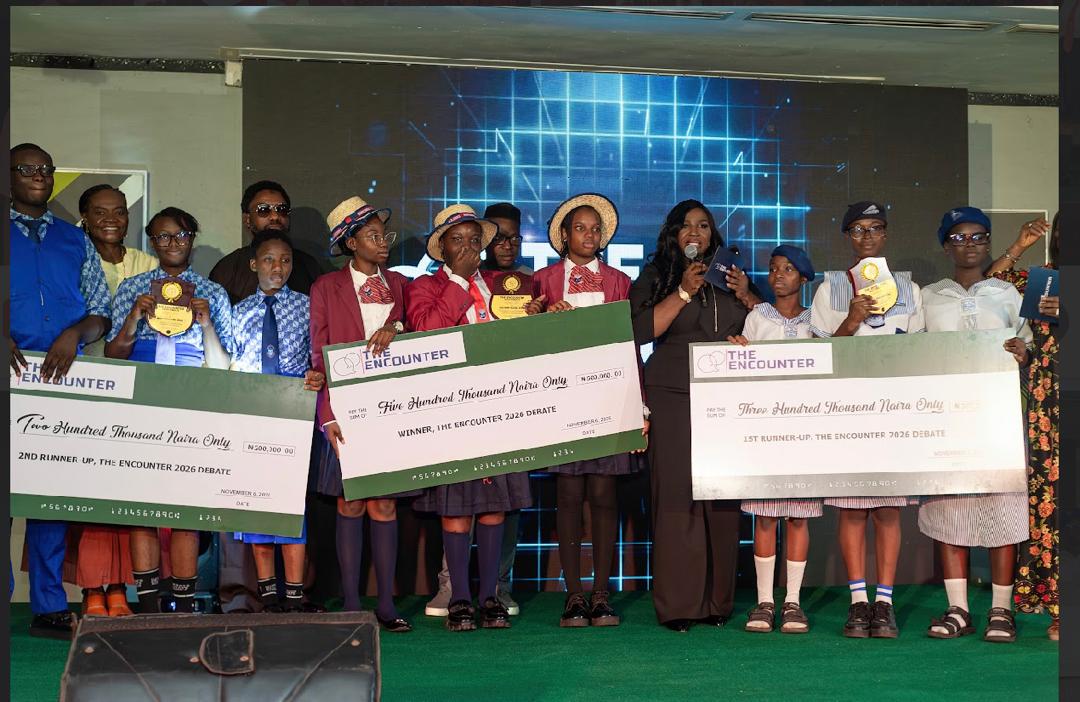
Platform College wins The Encounter 2026 AI debate in Lagos, taking home ₦500,000 as Ali Baba discusses AI’s impact on Africa’s creative economy
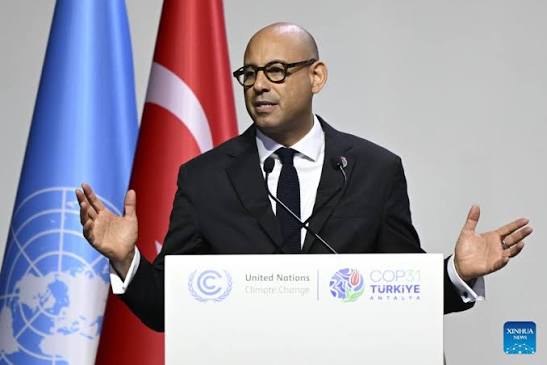
The 31st UN climate conference is under way in Antalya, Turkey, with TheCable’s Janefrances Chibundu reporting on negotiations and their meaning for Nigeria and Africa
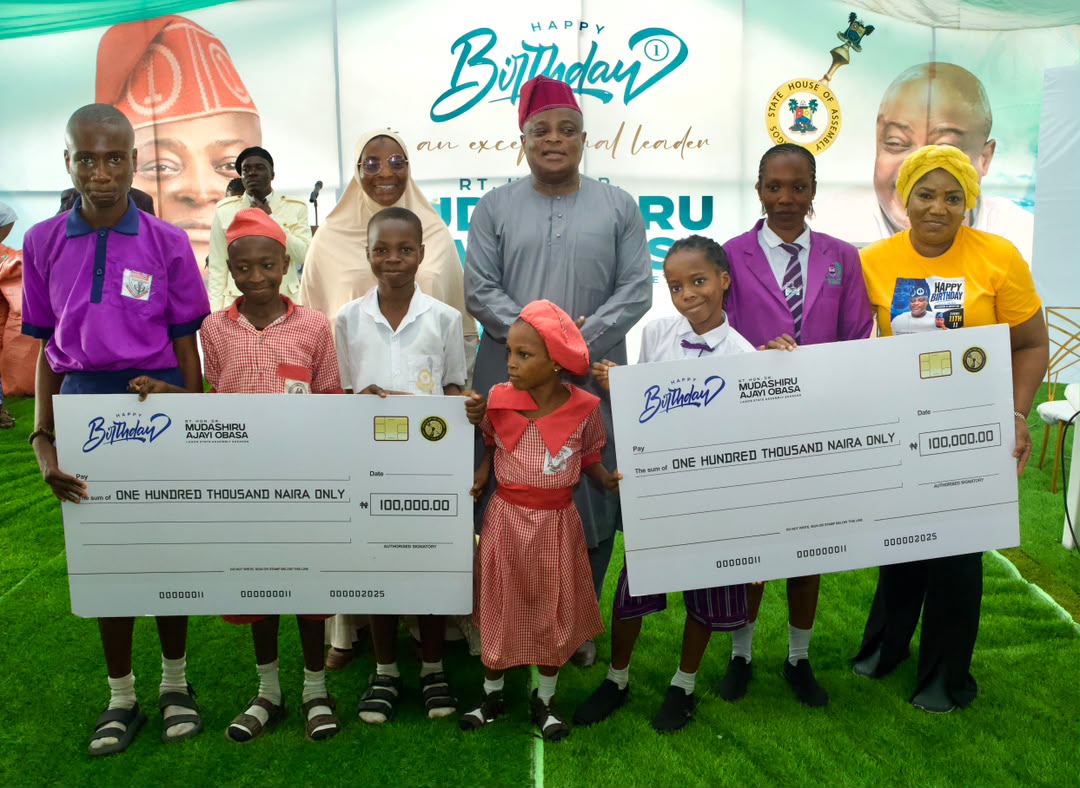
Lagos Speaker Mudashiru Obasa announces ₦50m cash support for 500 public school students, with each beneficiary receiving ₦100,000
-
Politics3 years ago
13 Ondo Assembly Members Disown Endorsement of Aiyedatiwa
-
Politics3 years ago
APC Group, Ondo Govt, Quarrel Over Money for Endorsement
-

 Trending News6 years ago
Stop unsavoury, inciting statements – DSS warns
-

 Others5 years ago
Adron Homes Celebrates 10 Years Of Housing Excellence
-

 Humanity5 years ago
President Buhari Commiserates With Ambassador Maureen Tamuno Over The Loss Of Her Father
-

 Others7 years ago
EX- CUSTOMS BOSS, IBRAHIM MERA’S DWINDLING FAME
-

 Business3 years ago
Bigi Carbonated Soft Drinks Treats 40 Consumers to an Epic Easter Movie Hangout
-

 Business2 years ago
Wema Bank Shines at Global SME Finance Forum Conference Awards 2024 …Awarded: • SME Financier of the Year (Africa) • Platinum Award for Best Financier for Women Entrepreneurs (Africa)