
Politics
Obasa Demands Stronger State Police Autonomy

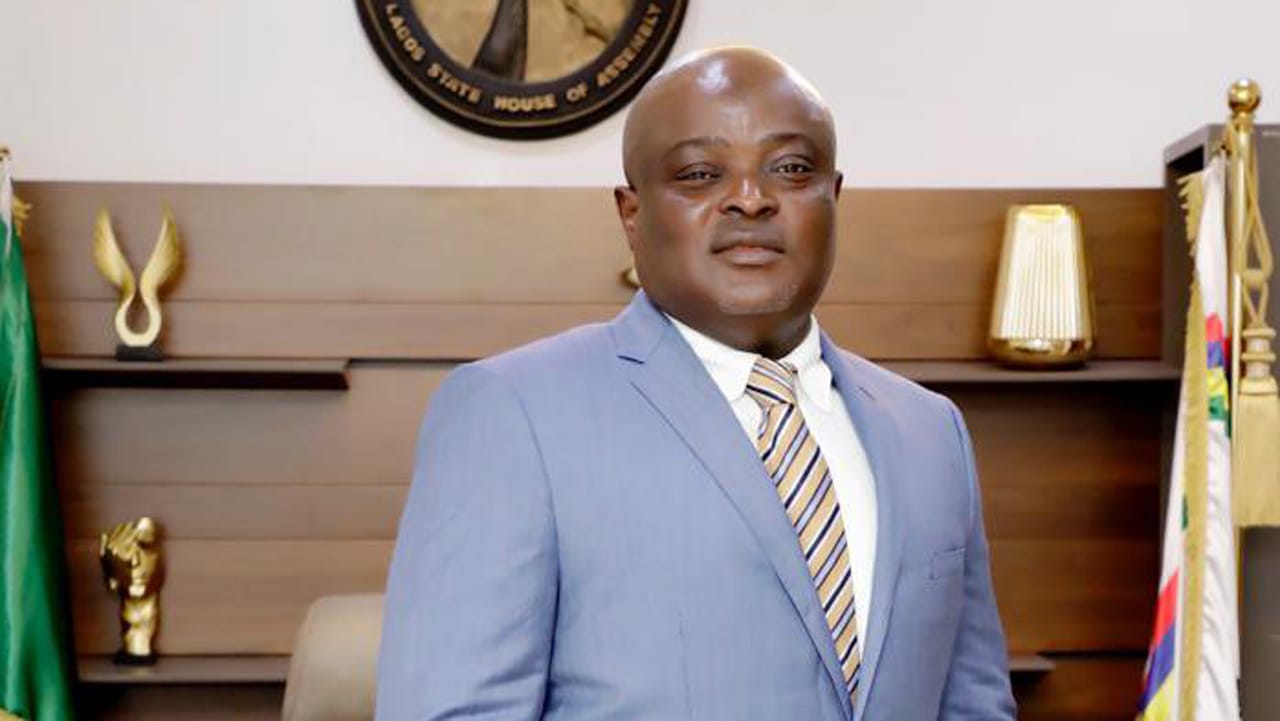
Obasa state police autonomy debate intensifies as the Lagos Speaker demands stronger state control, clear policing powers and independent parliamentary security
By Dave Agboola

Lagos State House of Assembly Speaker, Rt. Hon. Mudashiru Ajayi Obasa, has called for stronger state police autonomy and an independent security framework for legislative institutions, warning that excessive federal control could undermine the purpose of decentralised policing.
Also read:NASS Investigates Assault on Senator’s Aide
Obasa made the remarks on October 27, 2026, during a plenary session in which the Lagos Assembly ratified the proposed constitutional amendment on state policing, while highlighting concerns about the balance of authority between federal and state governments.
The development comes after all 36 state Houses of Assembly reportedly approved the Constitution (Sixth Alteration) Bill, 2026, which is awaiting presidential assent.

While welcoming the proposed reform, Obasa cautioned that states must not be granted policing responsibilities without sufficient operational powers to manage security challenges within their jurisdictions.
He argued that decentralised policing would be ineffective if state governments remained dependent on federal approval for critical security decisions, despite bearing the financial and operational responsibilities of maintaining their police structures.
According to the Speaker, provisions that give federal authorities overriding powers in disputes involving state and federal policing legislation could weaken the autonomy the reform is intended to establish.
Obasa maintained that states should have the authority to develop policing arrangements suited to their local security realities, stressing that crimes in different communities require intelligence, strategies and responses tailored to their environments.
He also called attention to what he described as the neglected issue of parliamentary policing, arguing that legislative institutions require independent security arrangements to protect lawmakers from possible executive interference.
The Speaker said the absence of dedicated legislative security could expose lawmakers to intimidation, particularly during political disagreements involving the executive arm of government.
He argued that protecting the legislature was essential to preserving democratic accountability, allowing lawmakers to conduct oversight, scrutinise government activities and represent their constituents without fear.
Obasa further warned that unclear responsibilities between the proposed Federal Police Service and State Police Services could trigger jurisdictional disputes, operational confusion and delays in responding to criminal activities.
He stressed the need for clear constitutional provisions defining the responsibilities of both police structures, alongside effective mechanisms for cooperation, intelligence sharing and conflict resolution.
The Speaker’s position also acknowledges concerns surrounding the potential abuse of state police by governors, particularly fears that state security institutions could be used to intimidate political opponents, manipulate elections or suppress dissent.
However, he argued that such risks should be addressed through independent oversight bodies, judicial safeguards and transparent recruitment processes rather than excessive federal control.
Obasa reportedly directed the Clerk of the Lagos State House of Assembly, Mrs Adenike Oshinowo, to formally transmit the Assembly’s observations to the National Assembly for consideration.
He maintained that the country needed genuine federalism in which states could exercise meaningful authority over security while remaining accountable to the law.
As the proposed constitutional amendment awaits presidential assent and the National Assembly considers the legal framework for implementing state policing, Obasa’s intervention has renewed debate over how Nigeria can balance decentralised security, national coordination and democratic safeguards.
Also read:NASS Investigates Assault on Senator’s Aide
He insisted that the success of state policing would depend not merely on constitutional approval but on ensuring that the system was properly structured, independently monitored and capable of responding effectively to security challenges without political interference.


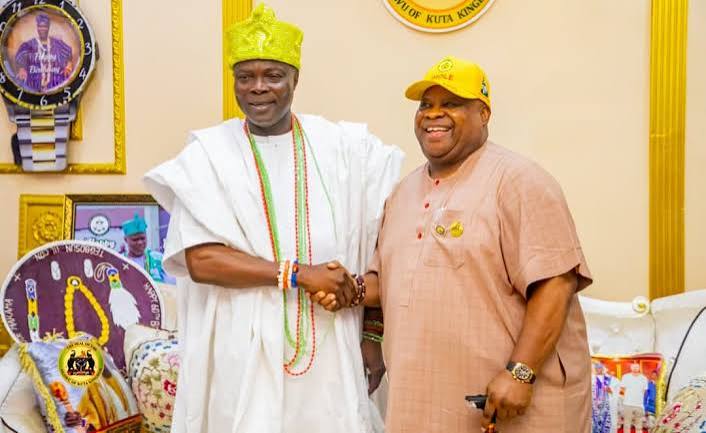
Olowu Kuta urges peace as he congratulates Adeleke’s reappointed officials and warns Osun political actors against bitterness ahead of 2027
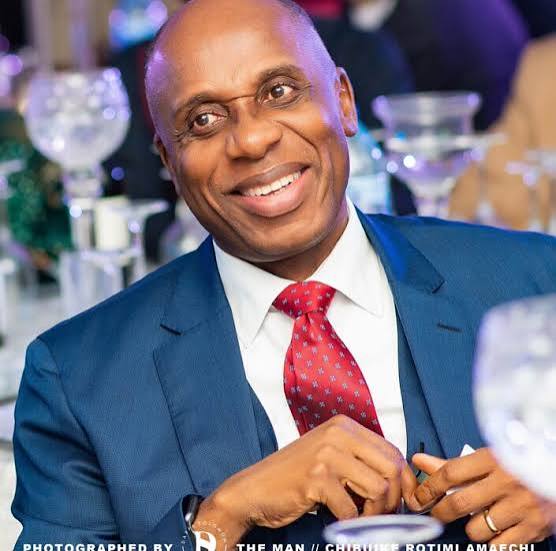
Amaechi accused of neglecting Ikwerre as APC chieftain Princewill Dike alleges missed development opportunities and predicts backlash in 2027
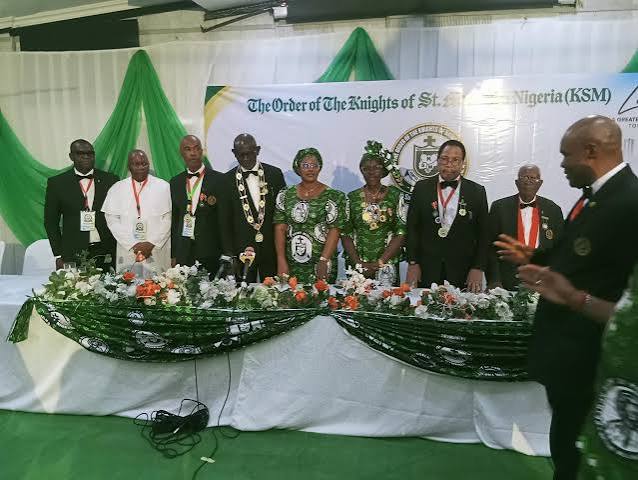
Catholic Knights reject vote buying and ethnic politics, urging Nigerians to choose credible leaders and protect democracy ahead of the 2027 elections
-
Politics3 years ago
13 Ondo Assembly Members Disown Endorsement of Aiyedatiwa
-
Politics3 years ago
APC Group, Ondo Govt, Quarrel Over Money for Endorsement
-

 Trending News6 years ago
Stop unsavoury, inciting statements – DSS warns
-

 Others5 years ago
Adron Homes Celebrates 10 Years Of Housing Excellence
-

 Humanity5 years ago
President Buhari Commiserates With Ambassador Maureen Tamuno Over The Loss Of Her Father
-

 Others7 years ago
EX- CUSTOMS BOSS, IBRAHIM MERA’S DWINDLING FAME
-

 Business3 years ago
Bigi Carbonated Soft Drinks Treats 40 Consumers to an Epic Easter Movie Hangout
-

 Business2 years ago
Wema Bank Shines at Global SME Finance Forum Conference Awards 2024 …Awarded: • SME Financier of the Year (Africa) • Platinum Award for Best Financier for Women Entrepreneurs (Africa)