News
Ex-EKEDC MD, Tinuade Sanda mires in certificate forgery allegation


Tinuade Sanda
The jury is still out on how Ms. Tinuade Sanda, the immediate past managing director (MD) and chief executive officer of the Eko Electricity Distribution Company (EKEDC) rose to the top in the private sector despite emergent allegations of certificate forgery.
Sanda was removed from her position in March and redeployed to WPG Ltd, the core investor that originally seconded her to the Eko Disco.
Despite the vehement pushback and media onslaught orchestrated by her supporters within the company, Sanda was successfully removed and replaced by Ms. Rekhiat Momoh.
In the wake of her removal, allegations have emerged that Sanda might have lied her way through to become EKO Disco CEO, which has seen her reportedly editing her educational profile on her LinkedIn page.
According to several media reports, Sanda’s educational achievements before it was edited include obtaining a Bachelor’s in Applied Science from the Harvard Business School, which does not offer Bachelor’s degrees.
The Harvard Business School is a graduate school whereby all applicants must have at least an undergraduate degree from a recognised institution. She has now edited her claim to read Harvard Business School – Executive Education.
Sanda also claimed to have an MBA in Strategic Planning from The University of Edinburgh, Scotland but has now changed it to MBA, Strategy, Edinburgh Business School, Heriot-Watt University, which raises serious posers about her moral rectitude and the veracity of her certificates.
“She knew the difference between the two institutions but decided to make it seem she attended the more recognised and prestigious one until the truth emerged,” said a source familiar with the story.
Another damning allegation is that Sanda parades a Doctor of Philosophy, PhD in Financial Management and Entrepreneurship from one Icon University of Management Science and Technology, Benin Republic, which claims to be “recognized by Ministry of Higher Education of Nigeria.” Nigeria does not have a Ministry of Higher Education and has never had one.
Over the years, the Benin Republic had gained notoriety for selling and awarding university degrees. In December 2023, an online medium published an investigative story of how a Nigerian undercover journalist bagged a Benin Republic university degree in six weeks and participated in the one-year mandatory National Youth Service Corps programme. Consequently, the Federal Government of Nigeria suspended the accreditation and evaluation of degree certificates from Benin Republic and Togo.
Could Ms Sanda have been a victim of the Benin Republic syndicate? Only time will tell.

Continue Reading


South Africa repatriates 586 Nigerians found residing illegally, with deportees barred from re-entering the country for five years
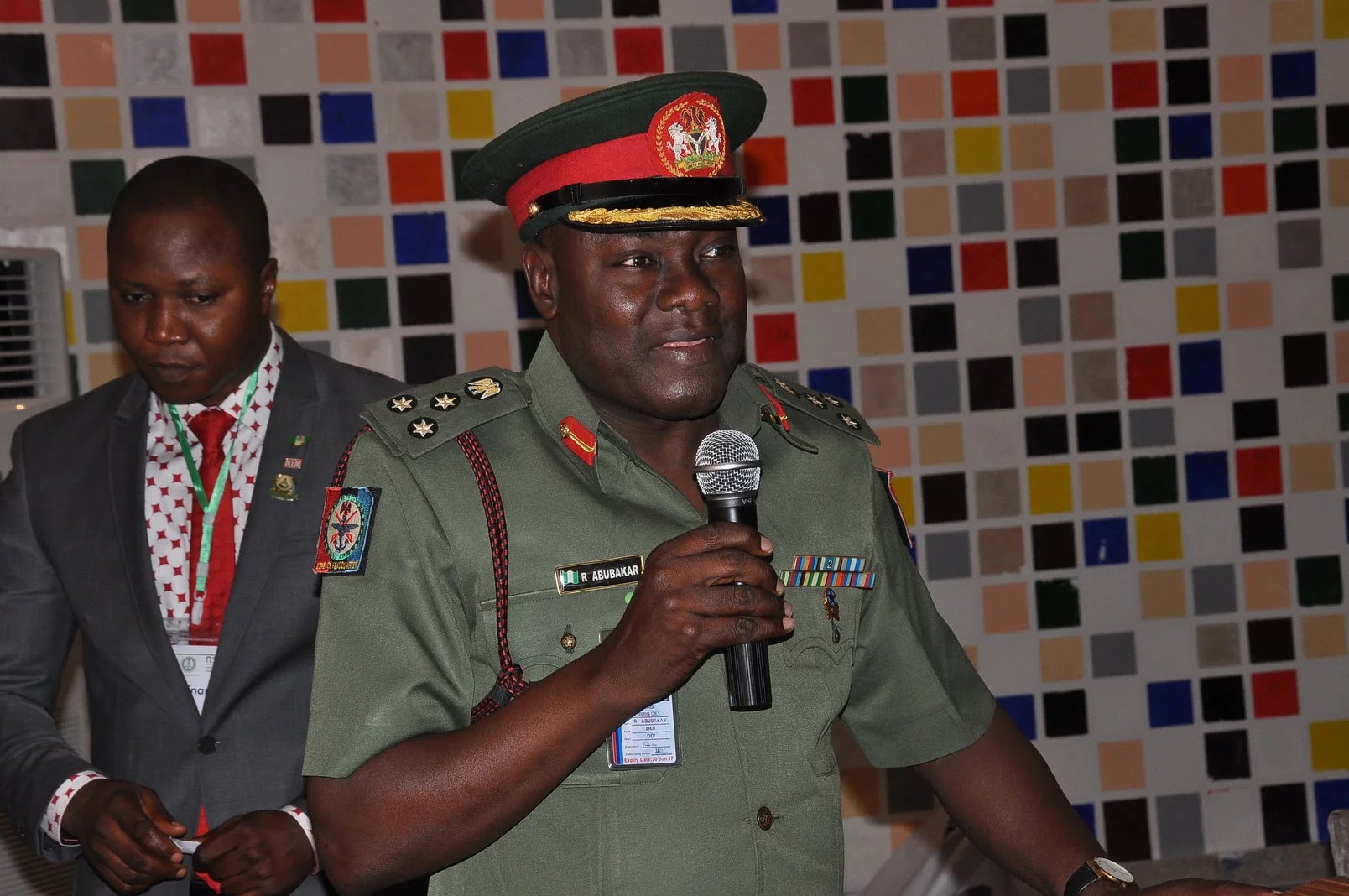
Katsina confirms tragic death of retired General Rabe Abubakar in bandit captivity, vows stronger action against insecurity
Nigeria migration crisis sparks urgent warning over rising emigration, unrest abroad, and calls for stronger governance and accountability
-
Politics2 years ago
13 Ondo Assembly Members Disown Endorsement of Aiyedatiwa
-
Politics2 years ago
APC Group, Ondo Govt, Quarrel Over Money for Endorsement
-

 Trending News5 years ago
Stop unsavoury, inciting statements – DSS warns
-

 Others4 years ago
Adron Homes Celebrates 10 Years Of Housing Excellence
-

 Humanity4 years ago
President Buhari Commiserates With Ambassador Maureen Tamuno Over The Loss Of Her Father
-

 Others7 years ago
EX- CUSTOMS BOSS, IBRAHIM MERA’S DWINDLING FAME
-

 Business2 years ago
Bigi Carbonated Soft Drinks Treats 40 Consumers to an Epic Easter Movie Hangout
-

 Business2 years ago
Wema Bank Shines at Global SME Finance Forum Conference Awards 2024 …Awarded: • SME Financier of the Year (Africa) • Platinum Award for Best Financier for Women Entrepreneurs (Africa)