
Banking
Top 10 African Central Banks Ranked by International Reserves

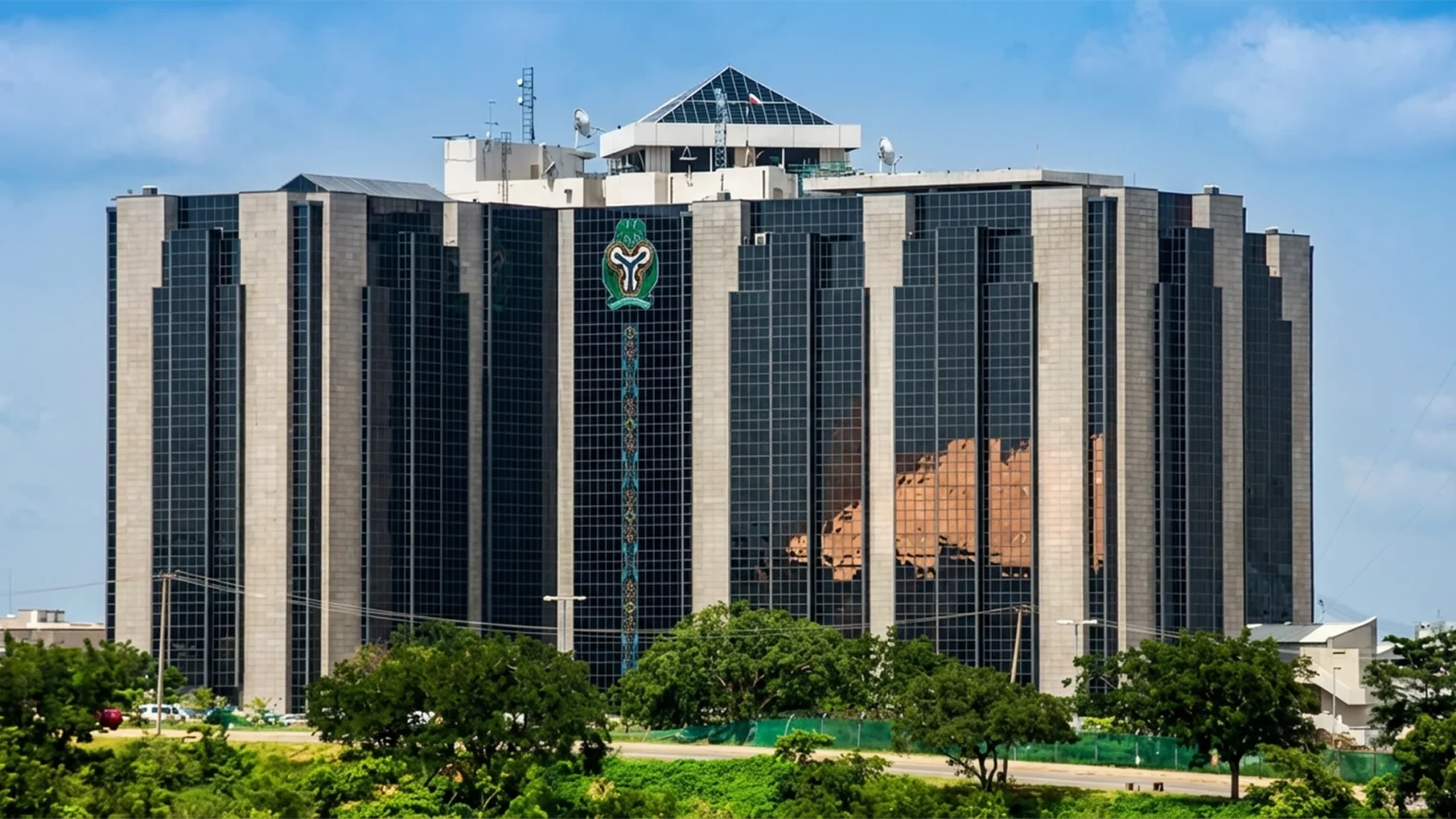
Africa’s Reserve Rankings place Nigeria fourth with $49.4bn in international reserves, behind Libya, South Africa and Egypt in the 2026 report
The Central Bank of Nigeria (CBN) has secured fourth place in Africa’s Reserve Rankings, recording $49.4 billion in international reserves as of March 2026, according to the OMFIF Global Public Investor 2026 Report.
Also read: First HoldCo earns record ₦653.5bn H1 profit, shares climb 10%

The ranking places Nigeria among Africa’s biggest reserve holders, behind the Central Bank of Libya, the South African Reserve Bank and the Central Bank of Egypt, as countries continue efforts to strengthen financial stability and protect their economies against external shocks.
The top 10 African central banks by international reserves are:
- Central Bank of Libya
Libya ranks first with $86.3 billion in international reserves. - South African Reserve Bank
South Africa ranks second with $77.8 billion in international reserves. - Central Bank of Egypt
Egypt ranks third with $50.2 billion in international reserves. - Central Bank of Nigeria
Nigeria ranks fourth with $49.4 billion in international reserves. - Bank Al-Maghrib
Morocco ranks fifth with $48.9 billion in international reserves. - Banque d’Algérie
Algeria ranks sixth with $40.4 billion in international reserves. - Banque Centrale des États de l’Afrique de l’Ouest (BCEAO)
The West African monetary system ranks seventh with $25.1 billion in international reserves. - Banco Nacional de Angola
Angola ranks eighth with $15.5 billion in international reserves. - Central Bank of Kenya
Kenya ranks ninth with $12.5 billion in international reserves. - Banque des États de l’Afrique Centrale (BEAC)
The Central African monetary system ranks tenth with $12.2 billion in international reserves.
The figures highlight the continued importance of foreign reserves as African economies navigate currency pressures, global interest rate changes and shifting commodity markets.
For Nigeria, the reserve position comes after years of economic pressure caused by foreign exchange shortages, declining oil revenue challenges and increased demand for dollars.
The CBN has continued to focus on improving foreign exchange market operations, strengthening liquidity and rebuilding confidence among investors.
Reserve accumulation remains a key indicator used by analysts to assess a country’s ability to meet international obligations and support currency stability.
Nigeria’s position ahead of Morocco and Algeria reflects the size of its economy and its role as one of Africa’s largest markets. However, economists note that reserve levels alone do not guarantee economic growth.
The effectiveness of reserve management, exchange rate stability, inflation control and policies that encourage investment remain critical factors in determining whether reserve strength translates into wider economic benefits.
The ranking also shows the dominance of resource-rich economies in Africa’s reserve landscape.
Libya leads the continent despite years of political instability, while South Africa maintains a strong position due to its diversified economy and deep financial markets.
Egypt’s third-place position reflects its efforts to rebuild foreign exchange buffers through economic reforms, investment inflows and international financial support.
The latest Africa’s Reserve Rankings underline the competitive nature of Africa’s financial landscape, with Nigeria remaining one of the continent’s strongest reserve holders.
Also read: First HoldCo earns record ₦653.5bn H1 profit, shares climb 10%
As global economic conditions continue to shift, maintaining adequate reserves will remain a major priority for African central banks seeking to protect their economies and support long-term growth.


Banking
WEMA BANK SETS NOVEMBER 6 FOR HACKAHOLICS 7.0 GRAND FINALE, UNVEILS “FESTIVAL OF THE FUTURE” AS THEME


Wema Bank, Nigeria’s oldest indigenous bank, most innovative and pioneer of Africa’s first fully digital bank, ALAT, has announced November 6, 2026, as the date for the grand finale of Hackaholics 7.0, its flagship innovation platform.
Themed “Festival of the Future.” The grand finale will bring together innovators, technology leaders, startup founders, investors and other key players in Nigeria’s innovation ecosystem for an immersive celebration of ideas, technology and the possibilities shaping the future.
Beyond the much anticipated announcement of this year’s Hackaholics Finalists, the event will feature innovation showcases, interactive experiences and conversations exploring how emerging technologies are transforming the way people live, work, build and create.
Designed to go beyond the traditional innovation competition, the Festival of the Future will provide a platform for participants and attendees to experience emerging technologies, discover innovative solutions, connect with industry players and engage in conversations about the opportunities and challenges of a rapidly evolving world. The event will also recognise and celebrate outstanding innovators whose ideas have demonstrated the potential to address real-world challenges and create meaningful impact.
Speaking on the significance of the grand finale and the inspiration behind the Festival of the Future, Wema Bank’s MD/CEO, Moruf Oseni, explained that the concept builds on the Bank’s commitment to creating a future of possibilities while encouraging Nigerians to take a more active role in shaping that future.
“The world is changing at an unprecedented pace. Artificial intelligence and emerging technologies are transforming industries, businesses and everyday life, creating opportunities that would have been difficult to imagine just a few years ago. The question is no longer simply what the future holds, but how prepared we are to shape it.
“This thinking inspired the Festival of the Future. We want to create an experience that brings innovation closer to people, encourages meaningful conversations and challenges us to think differently about how we will live, work, build and create in the years ahead,” he said.
Reaffirming Wema Bank’s commitment to supporting innovation and empowering young Nigerians, Oseni noted that Hackaholics has continued to evolve beyond a competition into a platform for discovering talent, nurturing ideas and connecting innovators with opportunities.
“Since we launched Hackaholics, our goal has remained consistent; to provide young Nigerians with the platform, resources, opportunities and support they need to transform their ideas into practical solutions. We believe that the future of innovation in Nigeria must be driven by the talent, creativity and potential of our people.
“With Hackaholics 7.0, we are taking that commitment further. Beyond recognising outstanding ideas, we want to bring together the people, conversations and experiences that can inspire the next generation of solutions. Our ambition is to continue building an ecosystem where innovation thrives, possibilities are unlocked and Nigeria is better positioned for the future,” he added.
Launched on July 1, 2026, under the theme “Powering Possibilities,”Hackaholics 7.0 commenced with a nationwide pitch centre tour designed to discover and support innovative ideas from young Nigerians across different regions of the country.
The four-month tour attracted 5,329 participants and 1,632 innovative ideas and solutions, with pitch centres hosted across seven locations: Uyo, Kano, Yabatech, Benin, Ibadan, Enugu and Lagos.
Through three distinct tracks; the Ideathon, Hackathon and Social Impact, the initiative provided opportunities for students, graduates, technology enthusiasts, developers and social innovators to present solutions addressing challenges across different sectors. The Ideathon focused on promising ideas, the Hackathon provided a platform for technology developers and builders, while the Social Impact track recognised solutions designed to deliver measurable value to society.
At the conclusion of the nationwide tour, 59 participants emerged from the various pitch centres, reflecting the diversity of ideas, talent and innovation discovered throughout the programme.
As Hackaholics 7.0 progresses towards its final stage, the 59 finalists will be further shortlisted to 20, who will present refined versions of their solutions at the Pre-Pitch scheduled for November 4, 2026.
On November 5, the participants will embark on an Ecosystem Tour powered by Wema Bank, providing an opportunity to visit other top institutions within the technology and innovation ecosystem, interact with industry professionals and gain practical insights ahead of the grand finale.
The journey will culminate on November 6 at the Festival of the Future, where the top innovators will be recognised and celebrated.
Through Hackaholics, Wema Bank continues to demonstrate its commitment to driving innovation, supporting entrepreneurship and creating opportunities for young Nigerians to contribute meaningfully to economic development.
Banking
Theparkpay Technologies Limited Strengthens Global Payments Infrastructure with UK FCA Licence

NDIC payments to depositors begin as customers of 46 failed microfinance banks receive insured refunds of up to N2 million (more…)
-
Politics3 years ago
13 Ondo Assembly Members Disown Endorsement of Aiyedatiwa
-
Politics3 years ago
APC Group, Ondo Govt, Quarrel Over Money for Endorsement
-

 Trending News6 years ago
Stop unsavoury, inciting statements – DSS warns
-

 Others5 years ago
Adron Homes Celebrates 10 Years Of Housing Excellence
-

 Humanity5 years ago
President Buhari Commiserates With Ambassador Maureen Tamuno Over The Loss Of Her Father
-

 Others7 years ago
EX- CUSTOMS BOSS, IBRAHIM MERA’S DWINDLING FAME
-

 Business3 years ago
Bigi Carbonated Soft Drinks Treats 40 Consumers to an Epic Easter Movie Hangout
-

 Business2 years ago
Wema Bank Shines at Global SME Finance Forum Conference Awards 2024 …Awarded: • SME Financier of the Year (Africa) • Platinum Award for Best Financier for Women Entrepreneurs (Africa)