
Brands
April Wind Couture Transforms From Solo Startup to Fashion Powerhouse


April Wind Couture grows from one-woman fashion start-up to global-ready brand, defying Nigeria’s tough economy with Ankara-focused innovation

April Wind Couture is rewriting the fashion playbook in Nigeria—rising from humble beginnings to become a globally-aware brand with over 30 staff and more than 40 machines.
Also read: Seyi Vodi NYSC Donation Sparks Hope in Young Fashion Talent
Built on resilience, strategic thinking, and a deep love for Ankara fashion, the brand’s success proves that growth is possible even in the face of Nigeria’s harsh economic realities.
Founded in 2017 by Uwem Asibeluo, April Wind Couture began as a one-woman operation—cutting, sewing, selling, and even cleaning.
Initially focusing on ready-to-wear Ankara outfits, she quickly realised the capital needed was too steep.
She pivoted to bespoke tailoring, using clients’ fabrics and measurements to keep the business afloat.
Everything changed during the COVID-19 lockdown in 2020. With reduced walk-in traffic, Asibeluo leaned into the brand’s original ready-to-wear vision.
By investing in digital marketing—especially Instagram—she was able to attract new customers and scale without a physical storefront.
“Instagram became our lifeline. Customers started ordering without stepping into the shop,” she said.
By December 2020, April Wind Couture experienced its first major sales boom.
This momentum led to an expansion in 2021—more staff, a rented two-bedroom flat as a production space, and dedicated roles for logistics and customer service.
But a sudden notice to vacate pushed her to complete and relocate to her own unfinished property—a tough decision that laid the foundation for long-term stability.
Today, that space houses a fully functioning production hub, employing over 32 people and serving customers across Nigeria and internationally.
Asibeluo’s choice to focus on Ankara was not only personal but also strategic.
Drawing on her background in economics, she recognised Nigeria’s unique advantage—affordable, high-quality labour and easy access to fabrics.
“My mother wore Ankara only on Sundays. I wanted to reimagine it as daily wear—versatile, stylish, and global,” she said.
April Wind Couture now produces high-demand, well-finished Ankara pieces like kimono jackets, blending tradition with contemporary fashion.
Social media continues to be a key driver, connecting the brand to clients in the US, UK, Canada, South Africa, and France.
Despite success, daily operations face huge obstacles—especially the unreliable power supply.
The company spends ₦39,000 daily on diesel to run essential equipment like rhinestone machines and industrial irons. Sewing machines rely on solar energy.
“Whenever we plan expansion, the first thing we think about is electricity—not even staff or machines,” Asibeluo said.
Still, the brand has managed to maintain quality, meet deadlines, and grow sustainably.
Every design is first produced as a sample, ensuring consistency in production and customer satisfaction.
Asibeluo’s five-year vision is ambitious. She plans to open branches in key countries where demand is high and eventually establish a fashion school to train young designers and create jobs.
“We want to keep Nigeria as the production hub. This way, we grow the brand and contribute to the economy,” she said.
Also read: Nollywood’s Jaiye Kuti Becomes ‘HOPE By Kiki Okewale’ Fashion Brand Ambassador
She also hopes to collaborate with iconic Nigerian brands like Odeva Nigeria and Lisa Folawiyo Studio—names she deeply admires for their innovation and longevity.


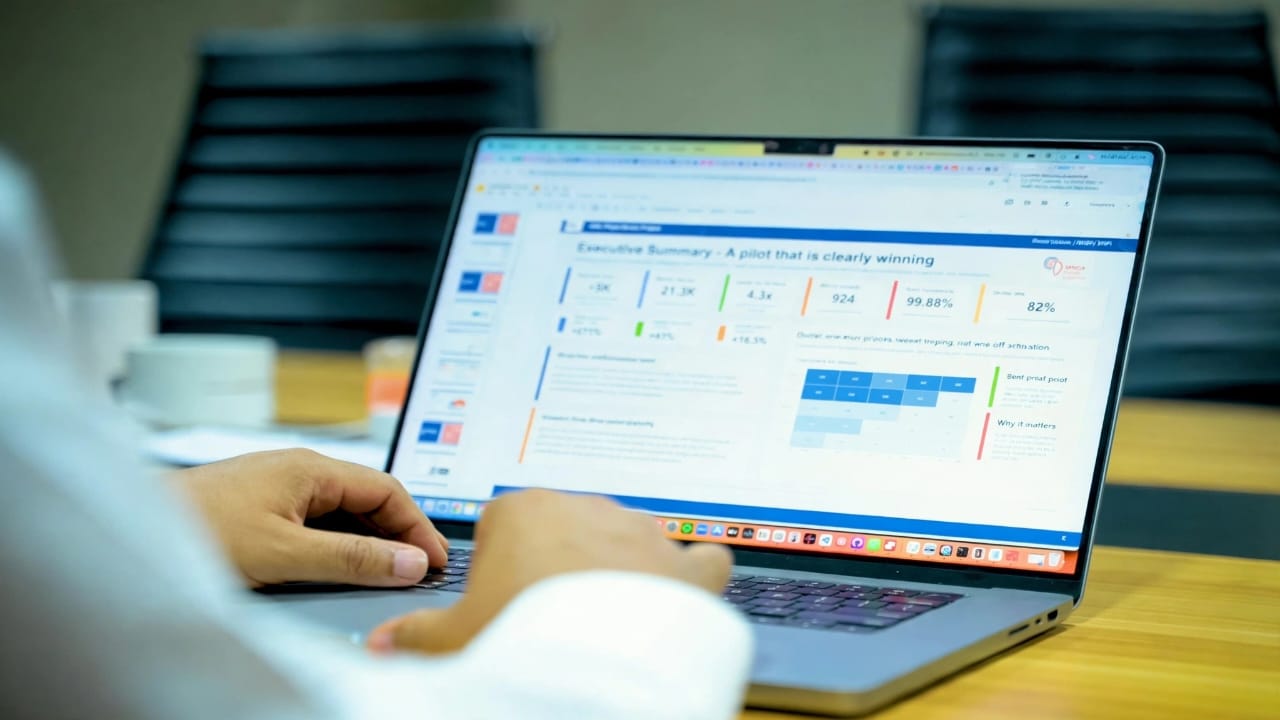
Access to reliable suppliers, working capital, inventory management and technology are critical to helping Africa’s neighbourhood retailers build sustainable businesses, according to a new Boost Africa feature highlighting TradeDepot.
For millions of small retailers across Africa, keeping products on their shelves is only one part of running a successful business. Access to affordable goods may bring customers through the door, but sustainable growth requires much more than having products available for sale.
From limited working capital and inconsistent supplies to the time spent sourcing goods from multiple distributors, small business owners face challenges that affect their ability to serve customers, expand inventory and remain competitive.
Consider a neighbourhood shop owner who understands what customers want but cannot afford to purchase enough stock to meet demand. Another retailer may spend hours contacting different suppliers and negotiating purchases, leaving little time to focus on customers and other aspects of the business.
These challenges highlight why small retailers need more comprehensive support systems to grow.
According to a feature by Boost Africa, sustainable retail growth depends on reliable access to suppliers, sufficient working capital, efficient operations and technology that helps business owners make informed decisions.
The initiative identifies several areas where small retailers need support, including access to products at competitive prices, inventory management, timely stock replenishment, financing and tools that reduce the cost and time involved in sourcing goods.
Technology is increasingly emerging as an important part of addressing these challenges.
Nigerian technology company TradeDepot is working to improve how small retailers access products by connecting them with manufacturers and distributors through its digital platform.
The company’s approach reflects a broader shift in retail distribution, moving beyond the supply of goods towards building an ecosystem that helps small businesses operate more efficiently.
Access to finance also remains a major part of this conversation.
Through Boost Africa, the European Investment Bank (EIB) invested €10 million in Partech Africa Fund, which subsequently backed TradeDepot.
The investment highlights how development finance and venture capital can support innovative African businesses working to address practical challenges across the continent.
Boost Africa supports investment in businesses developing solutions to economic and social challenges, with the potential to create wider opportunities for growth and development.
For neighbourhood retailers, the bigger issue is no longer just where to find products. It is how to access the finance, technology, supply networks and business support needed to turn small shops into sustainable enterprises.
As Africa’s retail sector continues to evolve, strengthening the businesses that serve communities every day could play an important role in building a more inclusive and efficient economy.
Watch the video: TradeDepot brings commerce closer to communities with Boost Africa.

From manufacturers and distributors to neighbourhood retailers, technology and investment are reshaping the systems that move products across African markets.
When a customer walks into a neighbourhood shop and finds exactly what they need, the transaction may appear simple. But behind that everyday purchase is a complex network of businesses, people and systems working together to make it happen.
Manufacturers produce the goods, distributors move them through supply channels, logistics providers handle transportation, and retailers ensure products reach consumers. Payment systems and financing also play important roles in keeping this commercial ecosystem running.
However, across many African markets, the infrastructure connecting these players remains fragmented, creating challenges that affect how businesses operate and how efficiently products reach consumers.
For small retailers, sourcing products can involve dealing with multiple intermediaries, navigating inefficient distribution networks and managing unpredictable supplies. Limited access to working capital can further complicate inventory management, making it difficult to keep essential products consistently available.
These challenges point to a bigger issue: the future of commerce is not just about selling more products or creating new shopping experiences. It is also about strengthening the infrastructure that makes buying, selling and distribution possible.
Technology is increasingly becoming part of the solution.
Digital platforms can connect retailers with manufacturers and distributors, simplify ordering processes and improve visibility across supply networks. When combined with efficient logistics and access to financing, these innovations can help businesses manage inventory, improve distribution and build stronger commercial relationships.
This is the space in which TradeDepot, a Nigerian technology company, is making its contribution. By using technology to connect small retailers with manufacturers and distributors, the company is helping address some of the structural challenges within traditional retail supply chains.
Its approach reflects a broader opportunity in Africa’s digital transformation: moving beyond solutions that simply improve the customer experience to innovations that strengthen the underlying systems supporting businesses, distribution networks and economic activity.
Investment also plays a critical role in making this transformation possible.
Through Boost Africa, the European Investment Bank (EIB) invested €10 million in Partech Africa Fund, which subsequently backed TradeDepot. The investment demonstrates how development finance and venture capital can support African technology companies working to address fundamental market challenges.
Beyond supporting individual businesses, such investments can contribute to the development of stronger commercial networks, improved infrastructure and innovative solutions that make entire economic value chains more efficient.
Ultimately, a thriving retail sector needs more than shops and customers. It needs reliable supply chains, efficient distribution networks, accessible financing and technology that connects every part of the journey.
Because the future of commerce will not be determined only by what businesses sell, but also by how effectively the systems behind those transactions work.
Boost Africa: From Capital to Impact.
Watch how TradeDepot is bringing commerce closer to communities through technology and the Boost Africa initiative:
Brands
From Wholesale Markets to Digital Platforms: How Technology Is Transforming Small Business Commerce in Africa


Digital commerce is changing how neighbourhood retailers source products, connect with suppliers and manage their businesses, creating new opportunities for small businesses across Africa.
For millions of small retailers across Africa, keeping a business running involves much more than selling products. Behind every successful neighbourhood shop is a constant effort to find reliable suppliers, compare prices, determine what customers need, manage orders and ensure essential products remain available on the shelves.
Yet, these everyday business activities have traditionally come with significant challenges.
Many small retailers still depend on frequent trips to wholesale markets, multiple intermediaries and fragmented supply arrangements to replenish their stocks. The process can be expensive, time-consuming and unpredictable, taking attention away from customers and limiting opportunities for business growth.
Technology is beginning to change that reality.
Digital commerce platforms are creating new ways for small businesses to discover products, connect directly with suppliers, place orders and manage purchasing more efficiently. With better access to product information and supply channels, retailers can make more informed decisions, reduce sourcing difficulties and respond more effectively to customer demand.
One company working to make this transformation possible is TradeDepot, a Nigerian technology company using digital solutions to connect small retailers with manufacturers and distributors.
Through its technology platform, TradeDepot is helping create more efficient channels for product sourcing and distribution, bringing suppliers and neighbourhood retailers closer together.
The significance of this development extends beyond the convenience of placing orders online. Improved access to products, more efficient purchasing processes and stronger supplier relationships can help small retailers maintain stock availability, serve customers better and build more sustainable businesses.
The transformation also highlights the role of investment in developing Africa’s technology ecosystem.
Through Boost Africa, the European Investment Bank (EIB) invested €10 million in Partech Africa Fund, which subsequently backed TradeDepot. The investment illustrates how development finance and venture capital can support African technology businesses building practical solutions to everyday commercial challenges.
As digital innovation continues to reshape commerce, the benefits are increasingly extending beyond large businesses and established retail chains to the small shops that serve communities every day.
Technology is not just changing how people shop. It is transforming how the businesses serving them source, sell and grow.
Boost Africa: From Capital to Impact.
Watch how TradeDepot is bringing commerce closer to communities through technology and the Boost Africa initiative:
-
Politics3 years ago
13 Ondo Assembly Members Disown Endorsement of Aiyedatiwa
-
Politics3 years ago
APC Group, Ondo Govt, Quarrel Over Money for Endorsement
-

 Trending News6 years ago
Stop unsavoury, inciting statements – DSS warns
-

 Others5 years ago
Adron Homes Celebrates 10 Years Of Housing Excellence
-

 Humanity5 years ago
President Buhari Commiserates With Ambassador Maureen Tamuno Over The Loss Of Her Father
-

 Others7 years ago
EX- CUSTOMS BOSS, IBRAHIM MERA’S DWINDLING FAME
-

 Business3 years ago
Bigi Carbonated Soft Drinks Treats 40 Consumers to an Epic Easter Movie Hangout
-

 Business2 years ago
Wema Bank Shines at Global SME Finance Forum Conference Awards 2024 …Awarded: • SME Financier of the Year (Africa) • Platinum Award for Best Financier for Women Entrepreneurs (Africa)