Connect with us

Business

Digital Infrastructure Reform at CBN and Its Impact on Emerging Market Stability

Published

on

CBN

CBN digital infrastructure monetary stability reform highlights Nigeria’s push for digitisation, FX transparency, and stronger financial stability in emerging markets

adron lemon friday

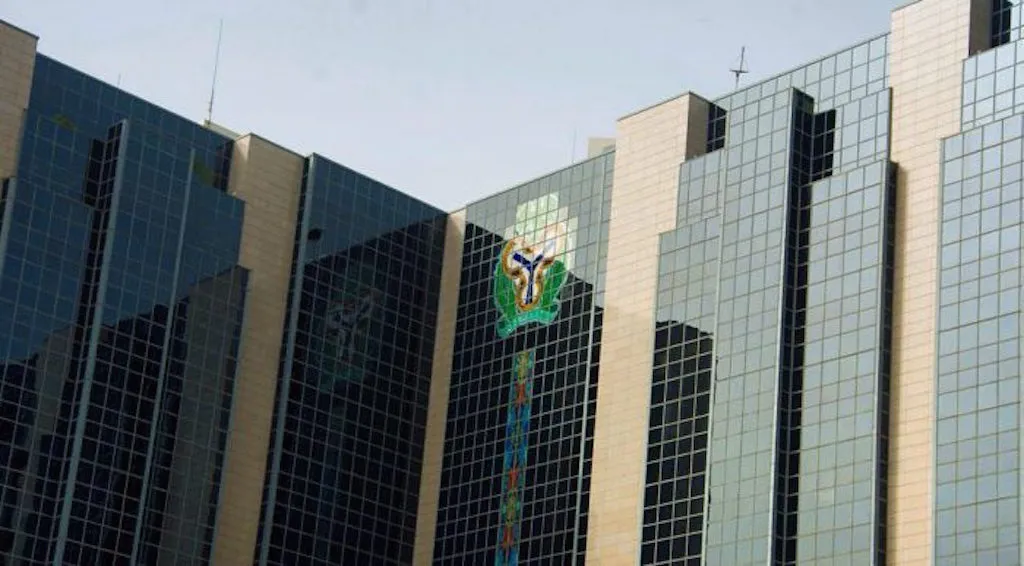
The Central Bank of Nigeria (CBN) is increasingly positioning digital infrastructure as a core pillar of monetary stability, reflecting a broader shift in how emerging markets approach financial governance and economic resilience.

Also read: What Cardoso’s legacy at CBN would look like

Central Bank of Nigeria Digital Reform for Monetary Stability, trend shows how central banks are moving beyond traditional tools to adopt technology-driven systems that improve transparency, efficiency, and policy effectiveness.

In an era marked by inflationary pressure, currency volatility, and global economic uncertainty, central banks are being pushed to serve not just as policy institutions but also as stabilising anchors for financial systems.

However, many institutions still rely on outdated infrastructure that limits real-time data access and slows policy transmission, creating vulnerabilities in fast-moving global markets.

Nigeria has become a key example of this transition, with recent macroeconomic indicators suggesting improved stability despite ongoing structural challenges. External reserves have risen to multi-year highs, while investor inflows have shown significant growth in recent periods.

Under the leadership of CBN Governor Olayemi Cardoso, the bank has prioritised price stability, institutional transparency, and digital financial reforms aimed at strengthening confidence in the economy.

A major part of this shift is the adoption of digital systems in foreign exchange markets, including platforms designed to improve price discovery, market efficiency, and transparency in transactions.

These reforms are part of a wider global movement, with several emerging economies adopting similar digital financial infrastructure to improve liquidity, strengthen investor trust, and modernise monetary operations.

Also read: Nova Bank Appoints Jude Anele as Managing Director/CEO …Meets CBN Capital Requirements

Experts say that while policy decisions remain central to economic outcomes, digital infrastructure is becoming a critical support system that enhances the effectiveness of central banking in the modern financial era.

66 / 100 SEO Score

Business

TotalEnergies, AMNI Approve $800m Ima Gas Project

Published

on

TotalEnergies and Nigerian independent energy company AMNI International have taken the Final Investment Decision on the $800 million Ima Gas Project, more than five decades after the gas field was discovered.

adron lemon friday

The Ima Gas Project, located in shallow waters across Oil Mining Leases 112 and 117 near Bonny Island, Rivers State, is expected to begin production in 2028 and reach a plateau of 350 million cubic feet of gas per day.

The development is expected to play a major role in supplying feed gas to Nigeria LNG, with the Ima field projected to provide about one-third of the additional gas required for the ongoing Train 7 expansion.

Train 7 is expected to increase Nigeria LNG’s liquefaction capacity from 22 million tonnes per annum to 30 million tonnes per annum, strengthening Nigeria’s capacity to process and export liquefied natural gas.

The Ima field was discovered in 1973 but remained undeveloped for more than 50 years. The Final Investment Decision provides the commercial and financial basis for finally developing the long-dormant resource.

Under the development plan, TotalEnergies will operate the project with a 40 per cent interest, while AMNI will hold the remaining 60 per cent.

The field will be developed using a single offshore platform connected to Nigeria LNG’s facility on Bonny Island through a 22-kilometre pipeline.

TotalEnergies said its investment in the project is more than $600 million, while the Federal Government described the overall Final Investment Decision as an $800 million investment.

At the FID signing ceremony in Abuja, TotalEnergies Exploration and Production Nigeria Managing Director, Mathieu Bouyer, described the decision as the culmination of a development process that had stretched across several decades.

He said the project reflected increased confidence in Nigeria’s investment environment and highlighted reforms targeting the non-associated gas sector as part of the factors that helped make the development commercially viable.

President Bola Tinubu welcomed the investment, saying the project demonstrated the potential of reforms introduced to reduce the cost and time required to develop oil and gas projects.

The President said the government had introduced incentives aimed specifically at unlocking onshore and shallow-water gas projects that had remained undeveloped for years.

He said the Ima development would create opportunities for Nigerian businesses, engineers, technicians and contractors, while generating jobs, economic activity in host communities and additional export earnings.

The project is also expected to have a strong Nigerian content component. TotalEnergies said all key contractors for the development would be Nigerian companies, while about 60 per cent of the workforce during the development phase is expected to come from host communities.

The development will incorporate measures aimed at reducing emissions. TotalEnergies said the platform would receive electricity from shore, operate without routine flaring and use permanent methane detection and monitoring systems.

The Federal Government said the project is part of efforts to turn Nigeria’s large natural gas reserves into productive assets capable of supporting industrialisation, energy supply, jobs and export earnings.

Special Adviser to the President on Energy, Olu Verheijen, said the Ima development illustrated the importance of creating commercial and investment conditions that allow previously stranded resources to be developed.

The government also noted that Nigerian financial institutions arranged 77 per cent of the project’s financing, further highlighting the participation of domestic financial institutions in the development.

For Nigeria LNG, the project comes as the company continues work on the Train 7 expansion, which is designed to increase the Bonny Island plant’s liquefaction capacity and strengthen the country’s position in the global LNG market.

56 / 100 SEO Score
Continue Reading

Business

Adron Homes unveils Ile-Ife housing plan ahead of Olojo 2026

Published

on

Adron Homes

Adron Homes unveils plans for an Ile-Ife Premium Estate at the 11th Olojo Festival, linking housing development with culture and tourism (more…)

76 / 100 SEO Score
Continue Reading

Business

Dangote Group Plans $45bn Expansion, Targets $100bn Revenue

Published

on

The Dangote Group is pursuing a $45bn investment programme across its businesses as it targets annual revenue of $100bn by 2030, with Dangote Cement expected to play a major role in funding the conglomerate’s next phase of expansion.

adron lemon friday

The group’s expansion strategy covers cement, refining, fertiliser, gas, infrastructure and other industrial businesses as it seeks to increase production capacity and strengthen its presence across African markets.

Dangote Cement, described as the group’s largest cash-generating business, is targeting an increase in annual production capacity from its current 55 million tonnes to more than 80 million tonnes as part of the growth programme.

The cement company said its expansion strategy would rely substantially on internally generated cash, reflecting the strength of its existing operations and cash-generating capacity.

In the 12 months to June 2026, Dangote Cement recorded revenue of $3.1bn, representing a 22 per cent year-on-year increase. Its cash conversion stood at 89 per cent, while return on capital employed reached 68 per cent during the period.

The company’s financial performance has also remained strong in naira terms. For the first half of 2026, Dangote Cement reported profit before tax of N981.39bn, up 34.43 per cent from N730.03bn recorded in the corresponding period of 2025. Profit after tax rose 22.69 per cent to N638.53bn.

The group’s wider investment plan is expected to include further expansion of the Dangote Refinery, with its capacity targeted to rise towards 1.4 million barrels per day. The company is also pursuing gas and LNG projects and additional industrial investments across Africa.

Dangote Cement’s expansion includes projects such as the proposed six-million-tonne-per-year plant at Itori in Ogun State, which is expected to strengthen the company’s production base as demand for cement and construction materials grows across the continent.

The group is also increasingly positioning its businesses around export earnings and geographically diversified operations. Management expects a larger share of revenue to be generated in foreign currency as its African expansion gathers pace.

The scale of the investment programme is underpinned by the group’s broader Vision 2030 strategy, which includes a target of more than $30bn in adjusted earnings before interest, taxes, depreciation and amortisation by 2030 alongside the $100bn revenue objective.

For Dangote Cement, the strategy represents a combination of capacity expansion and financial discipline, with strong operating cash flows expected to support investment while maintaining the company’s balance-sheet strength.

The wider Dangote Group is therefore positioning its 2030 strategy around expanding industrial capacity, increasing exports and using the cash generated by established businesses to finance further growth across Africa.

64 / 100 SEO Score
Continue Reading

Trending News