
News
Easter: Obasa Urges Christians To Embrace Hope, Unity, Renewal

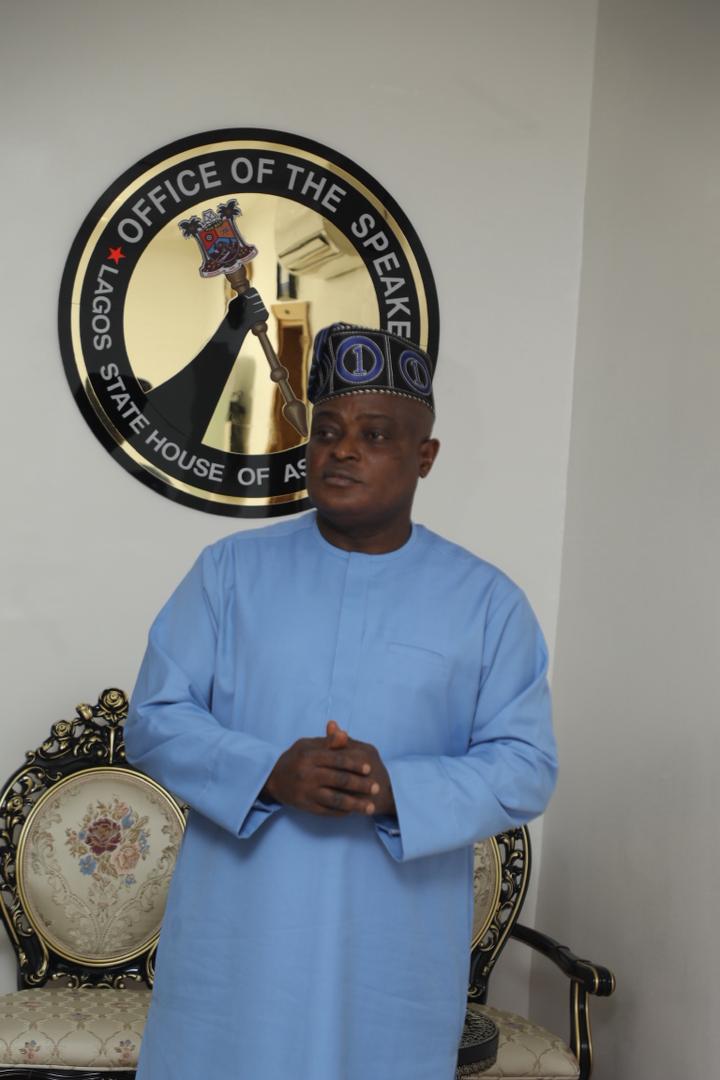
The Speaker of the Lagos State House of Assembly, Rt. Hon. Mudashiru Obasa, has congratulated Christian faithful in Lagos and across Nigeria on the celebration of Easter, urging them to draw strength from the lessons of Christ’s resurrection.

In his Easter message, released by his Chief Press Secretary, Mr. Dave Agboola, Obasa described the season as a reminder of victory over despair, renewal after trials, and the triumph of light over darkness. He noted that just as Christ overcame death, Nigeria can overcome its current challenges if citizens remain steadfast, prayerful, and committed to unity.
“Easter is a season of hope and renewal. As a nation, we face economic pressures and security concerns, but the resurrection teaches us that no situation is beyond redemption. Let us roll away the stones of division and despair, and work together for peace, justice, and prosperity,” the Speaker said.
He called on Lagosians to continue to show love and compassion to one another, stressing that collective effort is key to building a stronger Lagos and a better Nigeria.
Obasa prayed that the joy of Easter would fill homes with renewed faith and guide both leaders and citizens toward a brighter future.



The Senate President describes the publisher of The Eagle Online as a courageous journalist whose contribution to Nigeria’s digital media will endure

Lagos Assembly Speaker Mudashiru Obasa pays tribute to the late journalist’s ethical reporting, insight and three-decade contribution to Nigerian media
President Bola Ahmed Tinubu describes the death of The Eagle Online publisher as a painful loss to Nigeria’s media and democratic discourse
-
Politics2 years ago
13 Ondo Assembly Members Disown Endorsement of Aiyedatiwa
-
Politics2 years ago
APC Group, Ondo Govt, Quarrel Over Money for Endorsement
-

 Trending News5 years ago
Stop unsavoury, inciting statements – DSS warns
-

 Others5 years ago
Adron Homes Celebrates 10 Years Of Housing Excellence
-

 Humanity5 years ago
President Buhari Commiserates With Ambassador Maureen Tamuno Over The Loss Of Her Father
-

 Others7 years ago
EX- CUSTOMS BOSS, IBRAHIM MERA’S DWINDLING FAME
-

 Business2 years ago
Bigi Carbonated Soft Drinks Treats 40 Consumers to an Epic Easter Movie Hangout
-

 Business2 years ago
Wema Bank Shines at Global SME Finance Forum Conference Awards 2024 …Awarded: • SME Financier of the Year (Africa) • Platinum Award for Best Financier for Women Entrepreneurs (Africa)