
Economy
Nigeria, 11 Countries Move to Launch Eco Currency

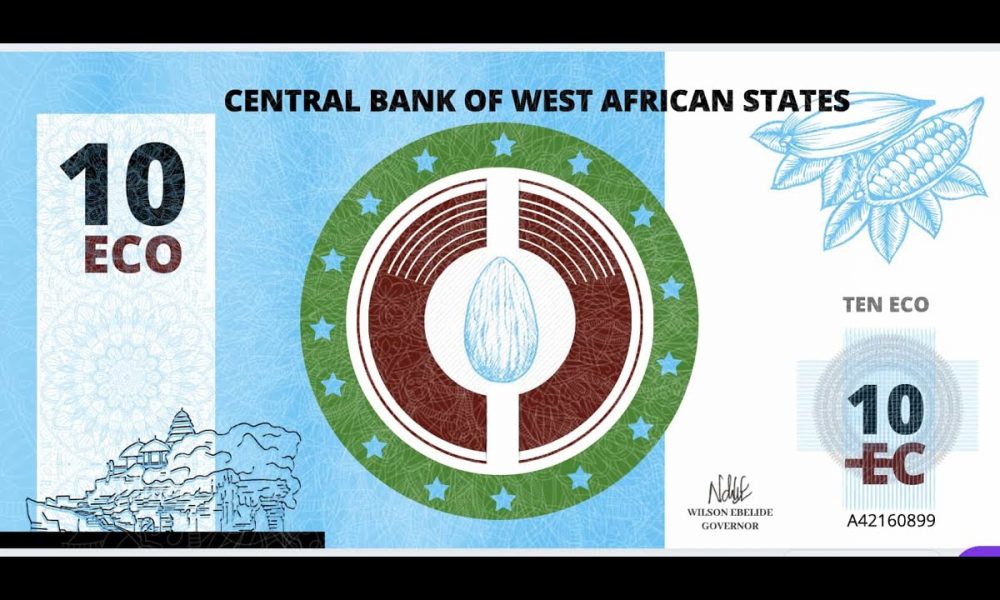
Nigeria and 11 West African nations fast-track Eco currency launch, aiming to boost trade, economic stability, and monetary integration across the region

Nigeria and 11 other West African countries have renewed efforts to introduce the long-delayed Eco regional currency, signalling a potentially transformative shift for the region’s economy.
Also read: FG Opens Recruitment for Technical Facilitators Nationwide
The announcement followed a meeting of central bank governors in Monrovia, Liberia, under the Economic Community of West African States (ECOWAS) framework on Tuesday, February 17, 2026.
The discussions focused on harmonising monetary policies, strengthening governance systems, and ensuring all participating countries meet strict macroeconomic criteria required for the rollout.
Nigeria’s presidency described the engagement as a decisive step toward finalising the policy and institutional structures for the Eco project.
Governor of the Central Bank of Nigeria, Olayemi Cardoso, represented Nigeria at the talks, emphasising the country’s central role in shaping the currency.
The 12 backing nations are Nigeria, Ghana, Liberia, Sierra Leone, Guinea, The Gambia, Cape Verde, Guinea-Bissau, Senegal, Côte d’Ivoire, Togo, and Benin.
The initial rollout is expected to include Liberia, Nigeria, Ghana, Sierra Leone, Guinea, and The Gambia, subject to compliance with fiscal and monetary convergence benchmarks.
These benchmarks include maintaining low inflation, sustainable debt levels, stable exchange rates, and disciplined fiscal deficits. Officials stressed that adherence would be non-negotiable.
The Eco project has faced repeated delays due to economic divergences across member states, including inflation spikes, widening budget deficits, and currency instability.
Despite these hurdles, regional leaders argue that monetary integration is critical to boosting intra-African trade, attracting investment, and reducing dependence on external currencies.
If successfully implemented, possibly by 2027, the Eco could become one of Africa’s most ambitious monetary initiatives.
It would reduce exchange rate risks, lower transaction costs for cross-border trade, and enhance economic stability across West Africa.
Experts believe the success of the currency will depend on sustained macroeconomic discipline and consistent political commitment.
Also read: FG Opens Recruitment for Technical Facilitators Nationwide
The Monrovia meeting has reaffirmed Nigeria’s leadership role and placed the Eco project firmly back on the policy agenda, signalling renewed determination among member states to move from blueprint to implementation.





-
Politics3 years ago
13 Ondo Assembly Members Disown Endorsement of Aiyedatiwa
-
Politics3 years ago
APC Group, Ondo Govt, Quarrel Over Money for Endorsement
-

 Trending News5 years ago
Stop unsavoury, inciting statements – DSS warns
-

 Others5 years ago
Adron Homes Celebrates 10 Years Of Housing Excellence
-

 Humanity5 years ago
President Buhari Commiserates With Ambassador Maureen Tamuno Over The Loss Of Her Father
-

 Others7 years ago
EX- CUSTOMS BOSS, IBRAHIM MERA’S DWINDLING FAME
-

 Business2 years ago
Bigi Carbonated Soft Drinks Treats 40 Consumers to an Epic Easter Movie Hangout
-

 Business2 years ago
Wema Bank Shines at Global SME Finance Forum Conference Awards 2024 …Awarded: • SME Financier of the Year (Africa) • Platinum Award for Best Financier for Women Entrepreneurs (Africa)