In a recent statement, former Zamfara State Governor and Minister for State Defence, Bello Matawalle claimed that the state received over ₦1 trillion from the Federal Account Allocation Committee (FAAC) in the last two years of this current administration. However, this assertion has been firmly rebutted by ZamTracka, a public expenditure tracking organisation dedicated to promoting transparency in government spending.
According to ZamTracka’s comprehensive analysis of financial records, Zamfara State received a total of approximately ₦776.6 billion in FAAC allocations from 2019 to September 2025. This figure casts significant doubt on Matawalle’s claim, particularly when broken down into the respective periods of leadership.
During his four-year tenure from 2019 to 2023, former Governor Matawalle’s administration collected more than ₦400 billion in FAAC disbursements. In contrast, the current administration led by Governor Dauda Lawal has received slightly over ₦350 billion during its first two years in office.
This financial data has sparked a vigorous debate regarding fiscal responsibility, public accountability, and the tangible outcomes of governance in Zamfara. Economists and analysts emphasize the changing economic landscape, noting that the ₦400 billion accrued under Matawalle’s administration possessed a significantly greater purchasing power at the time, which was estimated to be worth over $571 million when the exchange rate was around ₦700 to the dollar.
In today’s economic climate, with the exchange rate hovering around ₦1,500 to the dollar, that same financial value would translate to nearly ₦856.5 billion. This shift underlines the rising costs associated with implementing infrastructure projects; for instance, a ₦1 billion project during Matawalle’s tenure could now exceed ₦3 billion due to inflation and increased material costs.
Despite the substantial financial inflow during Matawalle’s administration, critics have raised concerns regarding the visibility and impact of significant projects completed with these funds, particularly within the state capital, Gusau. Many citizens have expressed frustration at the apparent lack of transformative developments, questioning whether the allocations translated into meaningful improvements in public services and infrastructure.
On the other hand, supporters of the current government stress the achievements made despite working with an allocation that, when adjusted for the older exchange rate, would amount to approximately ₦163.1 billion. They argue that the current administration has demonstrated resilience and effective governance strategies, producing outcomes that reflect prudent resource management under challenging economic conditions.
This ongoing dispute underscores an increasing demand for transparency and accountability amongst the citizenry, especially as financial data becomes more accessible through various platforms. As the debate rages on, efforts to obtain comments from representatives of former Governor Matawalle regarding the ZamTracka findings have not yielded results thus far, leaving the discussion centered on the implications of these financial discrepancies.
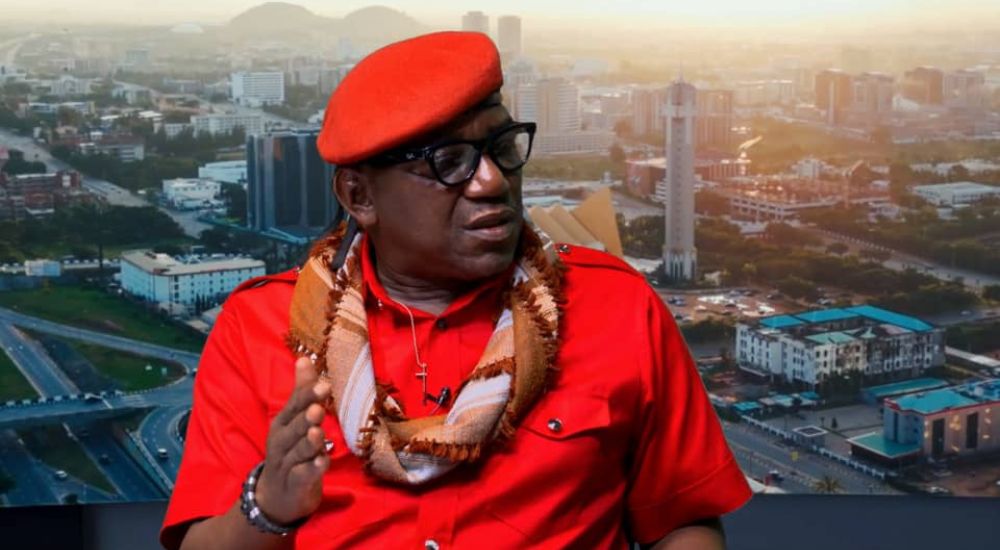
Dalung raises alarm ahead of Tinubu, 2027 warning highlights claims of opposition mobilisation and fears of political tension ahead of Nigeria’s 2027 elections




 Trending News5 years ago
 Others4 years ago
 Humanity4 years ago
 Others7 years ago
 Business2 years ago
 Business2 years ago