
News
Minister Orders Full Probe Into Deaths in Niger NSCDC Custody

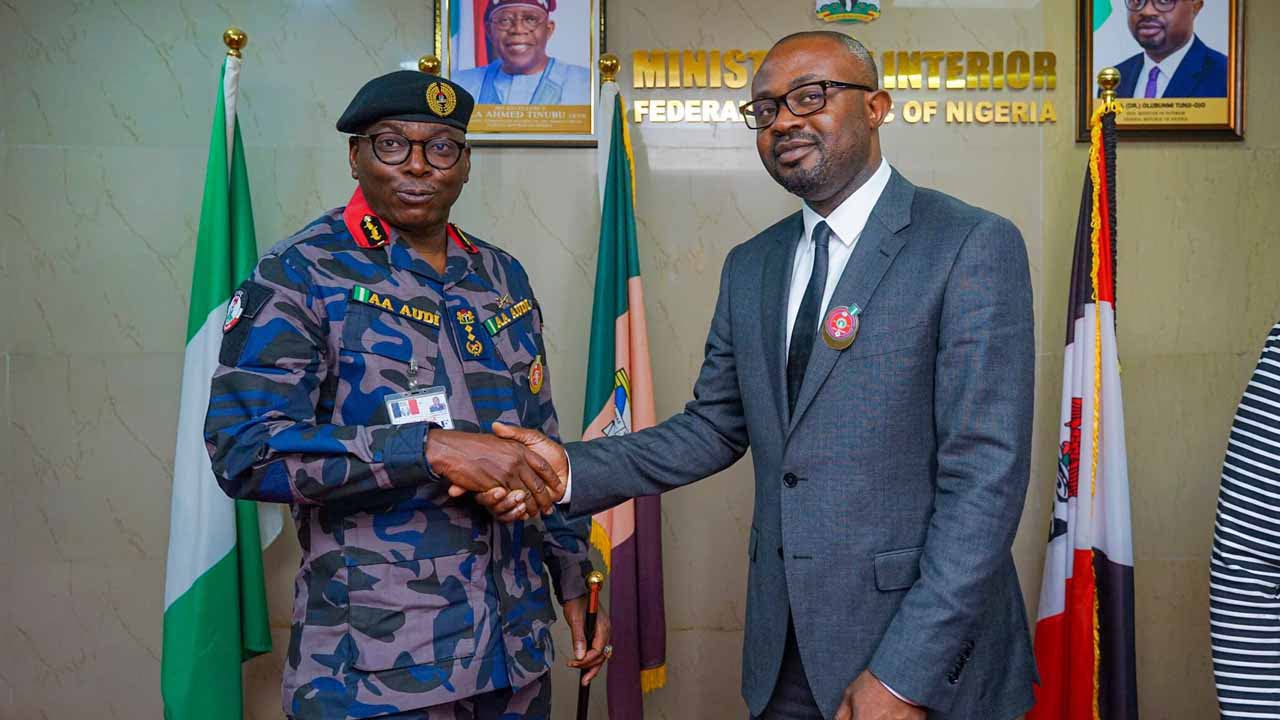
FG orders full probe into 37 suspected miners’ deaths in NSCDC custody as Niger officers step aside and medical and police investigations continue
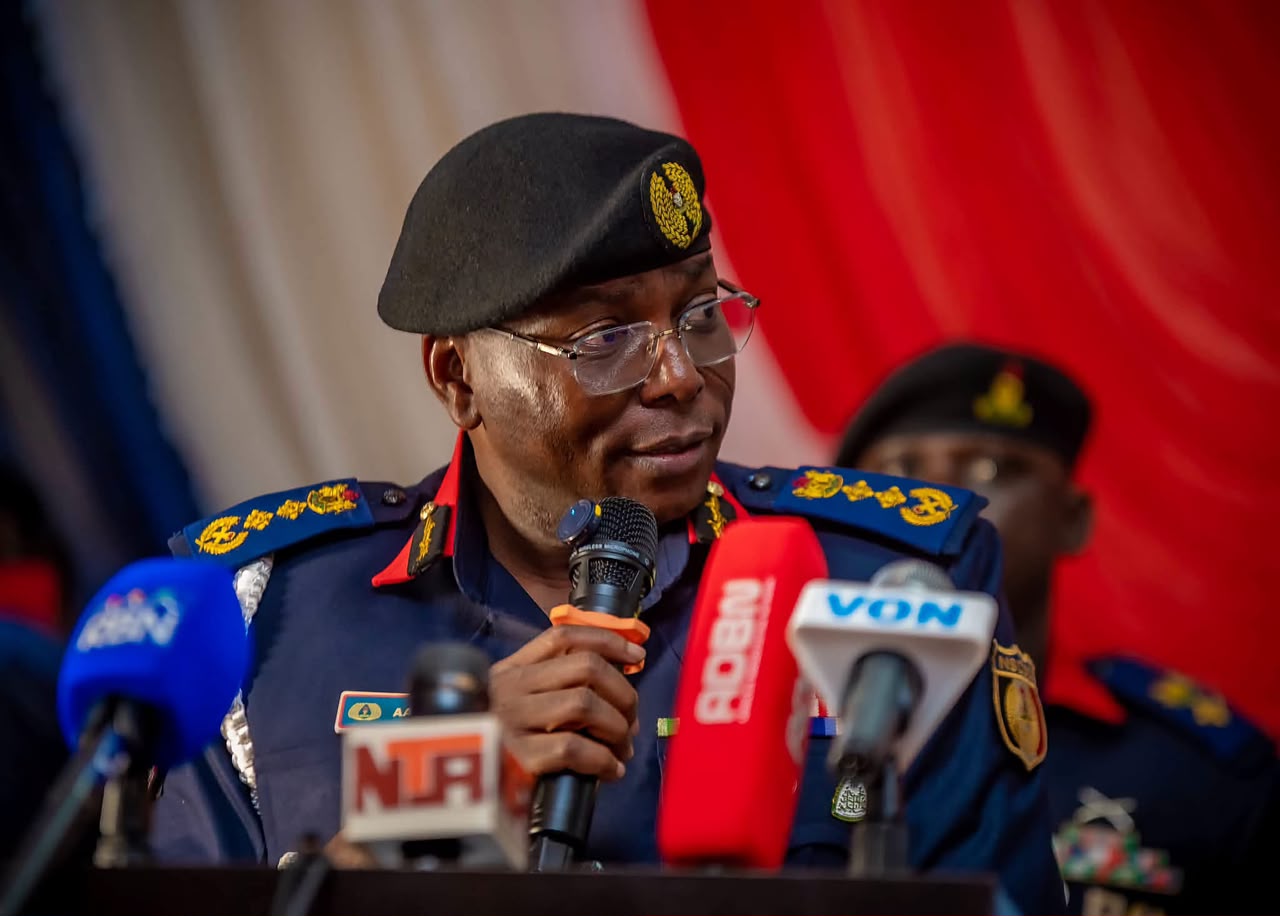
Nigeria’s Minister of Interior, Dr Olubunmi Tunji-Ojo, on Friday, 18 September 2026, ordered a full-scale, transparent and unhindered investigation in Minna, Niger State, into the deaths of 37 suspected illegal miners in the custody of the Nigeria Security and Civil Defence Corps, while NSCDC Commandant General Prof Ahmed Abubakar Audi directed the Niger State Commandant and five senior departmental heads to step aside and report to the Corps’ National Headquarters in Abuja.
Also read: NSCDC Orders Probe Into 37 Miners’ Deaths in Niger

The directive is the latest and most significant official response to the deaths, which occurred after NSCDC operations against suspected illegal mining around the M.I. Wushishi and Lukoto areas of Niger State on 15 and 16 September.
The NSCDC Niger State Command had said scores of suspected illegal miners were arrested during the operations and that the detainees were later found dead in the early hours of 17 September.
The state command initially attributed the deaths to a suspected disease outbreak, but did not identify the illness.
Governor Mohammed Umaru Bago subsequently said 37 people had died in NSCDC custody. He described the incident as “sad” and “tragic”, announced three days of mourning and postponed the planned commencement of political campaigning in the state.
The Federal Government’s latest intervention now places the conduct of the detention operation and the chain of command under formal scrutiny.
Tunji-Ojo directed that the investigation be conducted without interference, with the aim of establishing the circumstances surrounding the deaths and determining whether any breaches of procedure occurred.
“It is an unfortunate incident, however, a full investigation will be conducted while the commandant under whose watch this happened remains suspended,” the minister said, according to a statement released by his media office.
Following the minister’s directive, Audi ordered Niger State Commandant Suberu Siyaka Aniviye to step aside with immediate effect and report to the NSCDC National Headquarters in Abuja.
The heads of Operations, Mining, Legal, Intelligence and Investigation in the Niger State Command have also been directed to report to Abuja to appear before the panel of inquiry.
Audi has also deployed a new commandant to Niger State to take charge of the command while the investigation proceeds.
The arrangement is intended to maintain operational continuity while separating the existing leadership from the inquiry into an incident that occurred under its watch.
Audi assured the Interior Minister that the investigation would be comprehensive, transparent and impartial.
He said personnel found to have violated the law, operational procedures or professional standards would face appropriate administrative or disciplinary action and, where warranted, criminal proceedings.
The investigation comes as questions remain over what happened to the detainees between their arrest and the discovery of their bodies.
The NSCDC has said medical examinations are necessary to establish the actual cause of death.
The bodies were deposited at the General Hospital, Minna, for examination, with the Corps warning against treating unverified claims about a specific disease as established fact.
AFP reported that an intelligence report cited overcrowding and poor ventilation as possible factors, while survivor Dauda Shehu alleged that detainees were held in an overcrowded, poorly ventilated cell and that some struggled for air.
Those accounts have not been established as the cause of death and remain matters for investigators and medical experts to examine.
The distinction is important. At this stage, neither a disease outbreak nor conditions inside the detention facility can be presented as the confirmed cause of the deaths.
The Niger State Police Command has also begun its own investigation. Police Commissioner Adamu Abdullahi Elleman directed the State Criminal Investigation Department in Minna to establish the circumstances surrounding the deaths and appealed for credible information from relatives and members of the public.
The deaths followed an intensified campaign against illegal mining in Niger State. The NSCDC has been conducting operations around mining locations as part of its mandate to protect mineral resources and other critical national assets.
The M.I. Wushishi axis had already featured prominently in the state command’s enforcement activities. In June, the NSCDC reported arrests around the area during an operation targeting suspected illegal mining and mineral trading.
The enforcement campaign has also carried risks for security personnel. In July, an NSCDC operative was killed during a confrontation with suspected illegal miners in Korokpa Village, Niger State, according to the state command.
That history provides important context for the latest operation, but it does not resolve the questions surrounding the deaths in custody.
The central issue now is whether the detainees received appropriate care and whether the conditions under which they were held complied with applicable procedures and basic obligations towards people in custody.
The NSCDC has reaffirmed its commitment to protecting the dignity, safety and fundamental rights of people in its custody while continuing its statutory fight against illegal mining.
For the families of the deceased, the official investigations carry a more immediate significance.
Beyond determining the medical cause of death, they are expected to establish how the detainees were arrested, how long they remained in custody, what conditions they experienced and what medical attention was available to them.
Those questions are now before the investigative panel, the police and medical authorities.
The outcome could determine whether the deaths were linked to illness, detention conditions, failures in supervision or a combination of factors.
It could also establish whether individual officers or wider institutional procedures require further action.
Until the medical examinations and investigations are concluded, the precise cause of the deaths remains unresolved.
What is clear is that the incident has moved beyond a local NSCDC matter.
Also read: NSCDC Orders Probe Into 37 Miners’ Deaths in Niger
With the Interior Ministry directing a full investigation, senior Niger Command officers stepping aside and separate medical and police inquiries under way, the circumstances surrounding the 37 deaths are now subject to scrutiny at several levels.



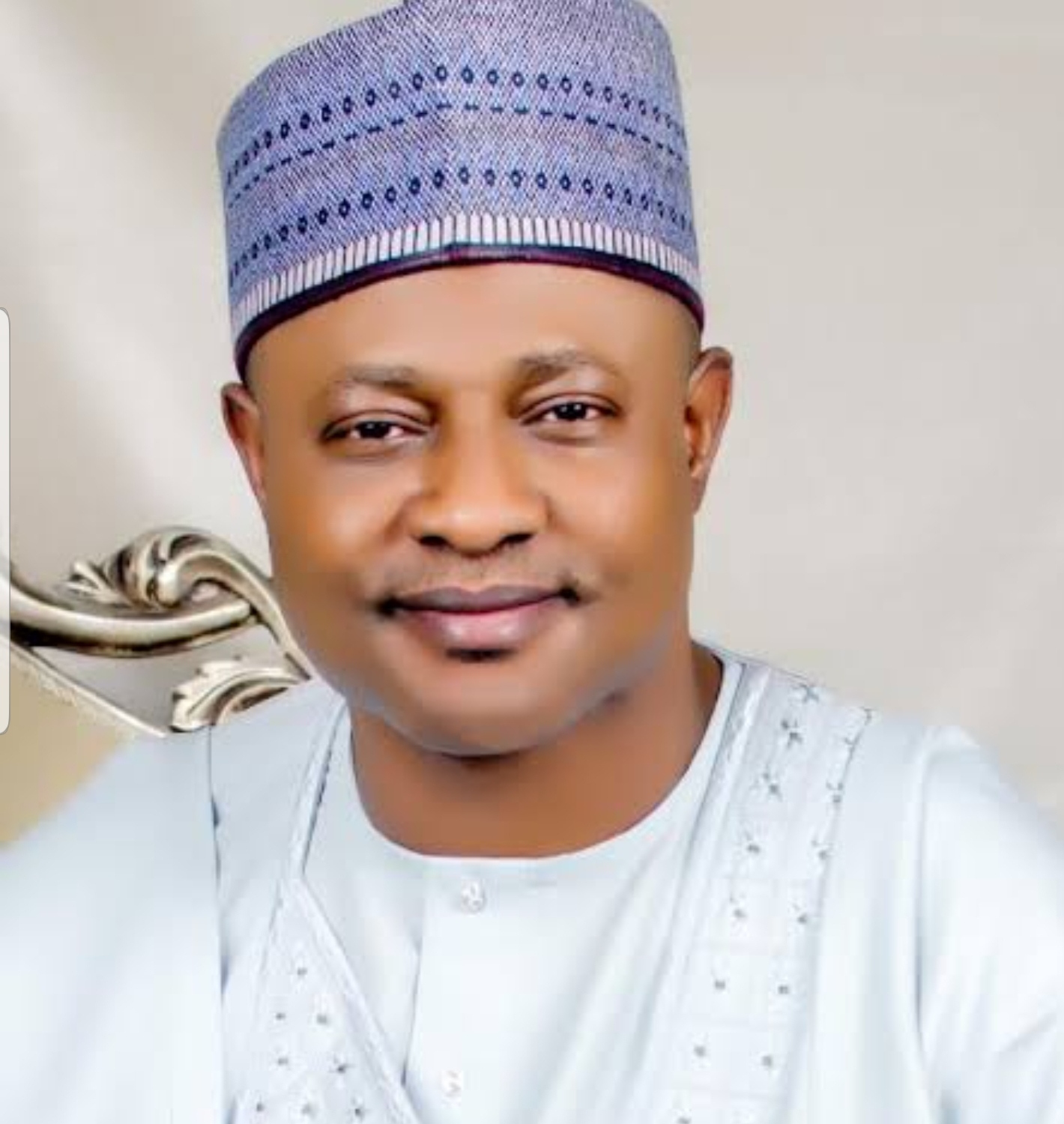
Uba Sani denies rift with Nasir El-Rufai, reaffirming his respect for the former Kaduna governor amid detention and political tensions
Kaduna State Governor Uba Sani on Tuesday, 27 October 2026, told Trust TV’s Daily Politics programme that he had never spoken ill of his predecessor, Nasir Ahmad El-Rufai, as questions over their relationship continued to attract attention in Kaduna State and Nigeria’s political circles.
Also read: FG Approves ₦70,000 Monthly Transport Allowance for Workers
The governor’s remarks came as El-Rufai remained in the custody of the Independent Corrupt Practices and Other Related Offences Commission (ICPC), following his detention in February and amid ongoing court proceedings over allegations of financial misconduct.
Sani insisted that his respect for the former governor remained intact, while distancing himself from a supporter’s reported call for El-Rufai to remain detained until after the next election.
“Honestly speaking, I have no problem with him (El-Rufai). If you listen to me carefully, I have never spoken anything bad about him, and I will never speak anything bad about him,” Sani said during the interview.
The governor also rejected any suggestion that a statement made by a political supporter represented his own position.
“The person that made that statement was speaking for himself. He was not speaking for me,” he said.
Sani declined to disclose details of any private efforts he might have made regarding El-Rufai’s situation, explaining that respect did not always require public declarations. He maintained that his approach to the former governor had been consistent since he assumed office in May 2023.
“As a matter of respect, many things I’ve done to show my respect for him, my regard for him, I don’t think I should come out and say it,” Sani said.
The comments offer a measured response to a relationship that has become a recurring subject of political debate since the two men, once close allies, began to drift apart.
El-Rufai governed Kaduna State from 2015 to 2023 and supported Sani’s bid to succeed him. Before becoming governor, Sani served as a senator representing Kaduna Central and held advisory roles during El-Rufai’s political career.
Their alliance was therefore rooted in years of shared political work, making subsequent disagreements particularly significant for the state’s political landscape.
Tensions became more visible after Sani took office, particularly over the financial legacy of the previous administration.
In 2024, the Kaduna State House of Assembly initiated a probe into allegations involving the former administration’s finances, while Sani’s government raised concerns about the state’s debt and liabilities.
El-Rufai and his associates subsequently criticised aspects of the new administration, deepening public speculation about the relationship between the two camps.
El-Rufai publicly questioned the closeness of the relationship in August 2025, saying that Sani had never been his friend, even as he acknowledged the political history between them. The remarks added to perceptions of a widening divide between the former governor and his successor.
Sani’s latest comments, however, focused on his stated preference for respect and consultation rather than public exchanges.
He cited his continued engagement with former Kaduna governors, including Ahmed Makarfi, whom he said he consulted on road construction projects.
The governor referred specifically to the road linking Soba and Zaria, explaining that discussions with Makarfi had helped inform his approach to the project.
Sani also said he had consulted former Vice-President Namadi Sambo on a project design, including the design of the Government House.
“When you are sitting as a governor, you don’t have a monopoly of wisdom. The way to succeed is to be humble and listen to people who advise you,” he said.
The remarks provided a glimpse into how Sani says he approaches governance, presenting consultation with former officeholders as a source of practical guidance rather than a sign of political weakness.
They also shifted attention towards the responsibilities of public office at a time when political disagreements have frequently overshadowed policy discussions in Kaduna.
El-Rufai’s legal situation remains a separate but closely watched dimension of the controversy. On 13 October 2026, Channels Television reported that the former governor appeared before the Kaduna State High Court for the continuation of his trial over alleged financial misconduct.
The appearance followed a Court of Appeal decision dismissing his challenge to the refusal of bail. The allegations remain subject to judicial determination, and El-Rufai has denied wrongdoing.
The legal proceedings have intensified public debate about the relationship between political accountability and the rights of individuals facing criminal allegations.
They have also provided a backdrop for competing political claims about responsibility for El-Rufai’s predicament, including accusations from opposition figures that Sani bears responsibility.
Such claims remain allegations and should not be treated as established facts.
Sani did not directly address the merits of the legal proceedings during the reported interview. Instead, he emphasised that he had not publicly disowned his previous statements about El-Rufai and insisted that his position had remained consistent.
For Kaduna residents, the distinction between personal relationships and the business of government remains important.
The state continues to face development needs that require sustained attention, while disagreements among its political leaders can influence public confidence and the wider political climate ahead of the 2027 elections.
Sani’s latest intervention may help clarify his public position, but it does not resolve the underlying questions surrounding his relationship with El-Rufai.
Whether the two men can move beyond their differences remains uncertain.
Also read: FG Approves ₦70,000 Monthly Transport Allowance for Workers
For now, the governor has made his message clear: he says he has never spoken ill of his predecessor and does not intend to do so, even as the political and legal circumstances surrounding El-Rufai continue to evolve.
-
Politics3 years ago
13 Ondo Assembly Members Disown Endorsement of Aiyedatiwa
-
Politics3 years ago
APC Group, Ondo Govt, Quarrel Over Money for Endorsement
-

 Trending News5 years ago
Stop unsavoury, inciting statements – DSS warns
-

 Others5 years ago
Adron Homes Celebrates 10 Years Of Housing Excellence
-

 Humanity5 years ago
President Buhari Commiserates With Ambassador Maureen Tamuno Over The Loss Of Her Father
-

 Others7 years ago
EX- CUSTOMS BOSS, IBRAHIM MERA’S DWINDLING FAME
-

 Business3 years ago
Bigi Carbonated Soft Drinks Treats 40 Consumers to an Epic Easter Movie Hangout
-

 Business2 years ago
Wema Bank Shines at Global SME Finance Forum Conference Awards 2024 …Awarded: • SME Financier of the Year (Africa) • Platinum Award for Best Financier for Women Entrepreneurs (Africa)