News
Gbenga Daniel Shuts Down Akpabio Health Rumors After London Visit


Akpabio health rumors dismissed as Senator Gbenga Daniel confirms the Senate President is hale and hearty during a London visit

Akpabio health rumors making rounds on social media have been firmly debunked after Senator Gbenga Daniel personally visited the Senate President in London and confirmed he is “hale and hearty.”
Also read: Akpabio taunts Peter Obi, urges him to fix Labour Party before aspiring to lead Nigeria
Daniel, a former Ogun State governor and current senator, made the stopover as part of his own travel itinerary and used the opportunity to catch up with Senate President Godswill Akpabio.
Their meeting put to rest viral speculation suggesting Akpabio was hospitalized abroad.
Speaking during the visit, Daniel remarked, “The news out there is that you have been indisposed, but seeing you here now, paints a very different picture. Congratulations your Excellency.”
The visibly well Akpabio expressed gratitude for the visit and addressed the swirling reports with humor and seriousness: “If you listen to the social media, you will go to war,” he quipped, underscoring the dangers of unchecked misinformation online.
Social Media Misinformation Called Out
This incident once again highlights the power and risk of unverified social media claims, particularly when it comes to public figures.
The quick spread of false reports about Akpabio’s health prompted concern among political watchers and the general public, despite no official confirmation from credible sources.
Senator Daniel’s visit provided the first firsthand account that dispelled the health rumors, offering reassurance to Nigerians that the Senate President is well and actively engaged in national affairs even while abroad.
A Lesson in Media Verification
The Akpabio health rumors episode serves as a critical reminder for both the public and the media: verify before you amplify.
Also read: Akpabio Commends Tinubu for Establishing Three South East Federal Institutions
In an era where digital virality often outpaces truth, credibility remains a precious commodity.




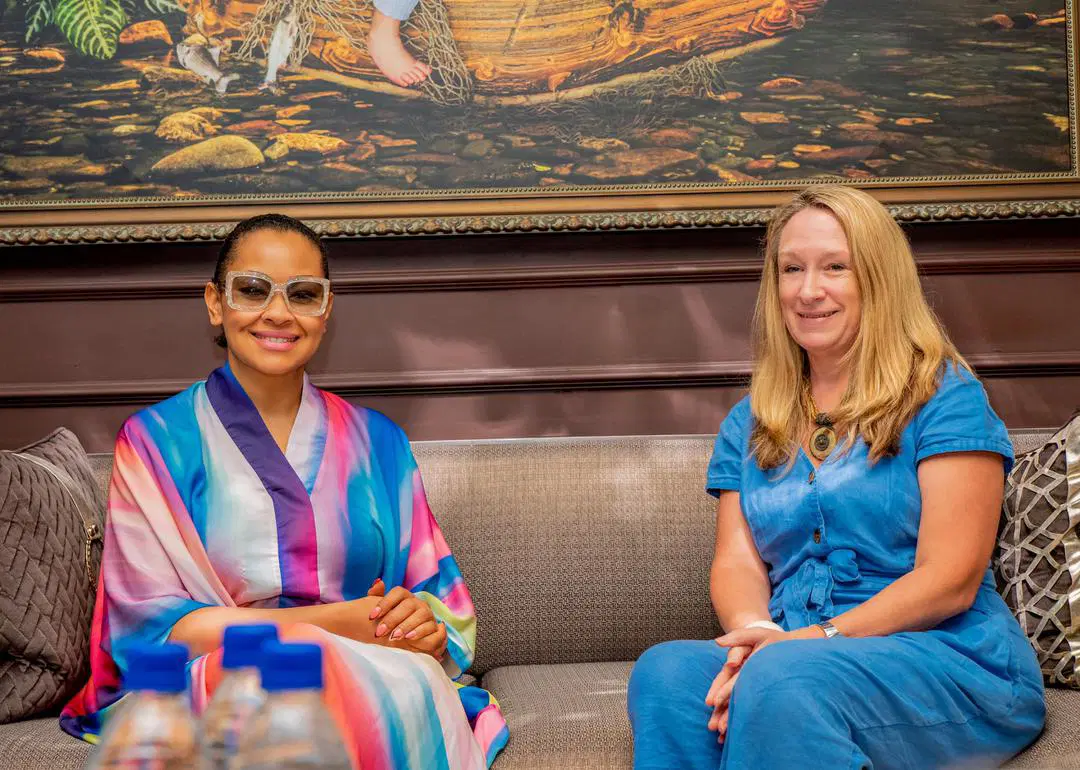
Kogi investment tour led by Natasha Akpoti-Uduaghan brought four European ambassadors to explore the state’s tourism, cultural heritage and local industries
Senator Natasha Akpoti-Uduaghan, representing Kogi Central, has hosted ambassadors from Belgium, Denmark, Italy and Spain on a tour of Kogi State aimed at attracting investment, promoting tourism and showcasing local industries.
Also read: Lula Wins Historic Fourth Term as Bolsonaro Challenges Brazil Vote
The visit featured tours of historical landmarks, cultural activities and interactions with artisans and community members, with discussions focused on potential investment and humanitarian partnerships that could create jobs, support local businesses and improve livelihoods.
According to a statement issued by the senator’s media aide, Mike Idoko, in Abuja on Monday, the delegation visited several attractions in the state to explore its economic potential and gain insight into the traditions and hospitality of the Ebira people.
The tour began at Lord Lugard’s Rest House on Mount Patti in Lokoja before the delegation visited the confluence of the Niger and Benue rivers.
The ambassadors subsequently travelled to Kogi Central for cultural activities and meetings with local communities.
Italy’s Ambassador to Nigeria, Roberto Mengoni, described the confluence as a symbol of national unity and expressed optimism about opportunities for collaboration with the state.
“Kogi is very rich, and we look forward to partnership,” Mengoni said, thanking Akpoti-Uduaghan for facilitating the visit.
Belgium’s Ambassador, Pieter Leenknegt, praised the experience, particularly a hiking expedition around the historic hills of Ihima.
He commended the opportunity to explore the region’s landscape, culture and local cuisine.
The cultural programme also included a visit to Obeiba Hill, where the diplomats sampled traditional foods, including akara, apapa and akamu.
The delegation observed indigenous production processes such as shea butter and palm kernel oil extraction, black soap making, pottery and traditional Ebira cloth weaving.
A masquerade performance further introduced the visitors to the community’s cultural identity and artistic traditions.
Denmark’s Ambassador, Jens Hansen, expressed admiration for the skills of local artisans, particularly women engaged in pottery, traditional clothing and other crafts.
He said the locally made products reflected the creativity and determination of the artisans, adding that their work offered opportunities for enterprise development and access to wider markets.
Addressing the delegation, Akpoti-Uduaghan said the tour was intended to demonstrate that Kogi Central’s economic prospects extended beyond tourism to include indigenous industries, skilled workers and entrepreneurial communities.
She said discussions with the ambassadors covered investment and humanitarian opportunities, expressing hope that the engagement would lead to partnerships with lasting benefits for residents.
“To attract investment, we must give people the chance to see our strengths for themselves: our skills, our enterprise, our culture and our people,” the senator said.
However, a planned visit to the Ajaokuta Steel Company did not take place because access to the facility was reportedly not approved, despite a written request by the senator.
Akpoti-Uduaghan said the delegation could only view the complex from outside its gates.
She expressed disappointment over the development and reiterated her call for the revival of the steel plant, describing it as essential to Nigeria’s industrial ambitions.
“Ajaokuta remains central to the industrial future we want for our people, and I will continue to advocate for its revival,” she said.
The Ajaokuta steel complex has long represented Nigeria’s unfulfilled industrial ambitions.
Its revival has been viewed as a potential avenue for expanding manufacturing, creating employment and strengthening domestic supply chains.
Despite successive government efforts to complete and operationalise the facility, the plant has yet to fulfil its intended role as a major driver of industrialisation.
The senator thanked community leaders, residents and artisans for welcoming the delegation, saying their hospitality had helped introduce the Ebira nation to an international audience.
She also thanked the four ambassadors, identifying them as Pieter Leenknegt of Belgium, Jens Hansen of Denmark, Roberto Mengoni of Italy and Félix Costales Artieda of Spain, for accepting the invitation and engaging with local communities.
Also read: Lula Wins Historic Fourth Term as Bolsonaro Challenges Brazil Vote
Akpoti-Uduaghan said the visit had provided an opportunity to promote Kogi Central’s tourism assets, cultural heritage and indigenous enterprises, expressing hope that the exposure would attract investment and partnerships to the area.
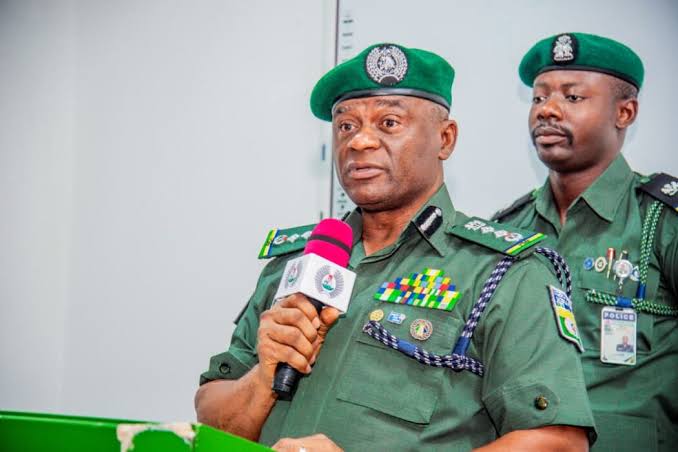
IG Olatunji Disu proposes 200% gratuity for retired police officers as the Federal Government considers reforms to address pension challenges
-
Politics3 years ago
13 Ondo Assembly Members Disown Endorsement of Aiyedatiwa
-
Politics3 years ago
APC Group, Ondo Govt, Quarrel Over Money for Endorsement
-

 Trending News5 years ago
Stop unsavoury, inciting statements – DSS warns
-

 Others5 years ago
Adron Homes Celebrates 10 Years Of Housing Excellence
-

 Humanity5 years ago
President Buhari Commiserates With Ambassador Maureen Tamuno Over The Loss Of Her Father
-

 Others7 years ago
EX- CUSTOMS BOSS, IBRAHIM MERA’S DWINDLING FAME
-

 Business3 years ago
Bigi Carbonated Soft Drinks Treats 40 Consumers to an Epic Easter Movie Hangout
-

 Business2 years ago
Wema Bank Shines at Global SME Finance Forum Conference Awards 2024 …Awarded: • SME Financier of the Year (Africa) • Platinum Award for Best Financier for Women Entrepreneurs (Africa)