
health
Holger Knaack Promotes Rotary Health Initiatives Across Nigeria


Holger Knaack Nigeria visit aims to strengthen Rotary’s mission against polio and boost maternal and child health across Nigerian communities

Holger Knaack Nigeria visit marks a new chapter in Rotary’s enduring fight against polio, disease prevention, and the protection of mothers and children.
Also read: Rotary District 9112 Donates Raincoats and Boots to Support Lagos Polio Vaccination Teams
The Rotary Foundation Chairman and Past Rotary International President, Holger Knaack, alongside his spouse Susanne, has embarked on a week-long working visit to Nigeria from November 1 to 7, 2025.
During the visit, Mr Knaack is expected to meet with Rotary leaders, senior government officials, and key health partners including the Federal Ministry of Health and the National Primary Health Care Development Agency (NPHCDA).
He will also take part in a polio immunisation field exercise—a powerful symbol of Rotary’s steadfast commitment to global health.
According to Rotary Public Image Coordinator for Zone 22, Region 27, Ibim Semenitari, the visit will further cement Rotary’s collaborative ties with local and international stakeholders driving health innovation and service delivery in Nigeria.
Mr Knaack will also tour sites of Rotary’s Programme of Scale—Together for Healthy Families in Nigeria, a flagship initiative that promotes maternal and child health in several communities.
In addition, he will assess ongoing efforts in the Federal Capital Territory and Akwa Ibom State under the Rotary Healthy Communities Challenge, an initiative designed to empower families with sustainable health solutions.
“Rotary’s work in Nigeria continues to inspire the world. Our shared goal is not only to end polio but to build lasting systems that keep families healthy and strong,” said Rotary International President-Elect Yinka Babalola.
Rotary Foundation Trustee Ijeoma Pearl Okoro also highlighted the organisation’s impact: “The Rotary Foundation transforms generosity into impact.
From vaccines that save children to programmes that empower mothers, our work in Nigeria shows what service and compassion can achieve.”
Also read: Ikoyi Metro Rotary Transforms Lives at Lagos Prison with Legal, Welfare Support
The visit will feature donor recognition ceremonies and strategic meetings with local Rotary districts, celebrating the transformative power of partnerships that continue to uplift communities across Nigeria.


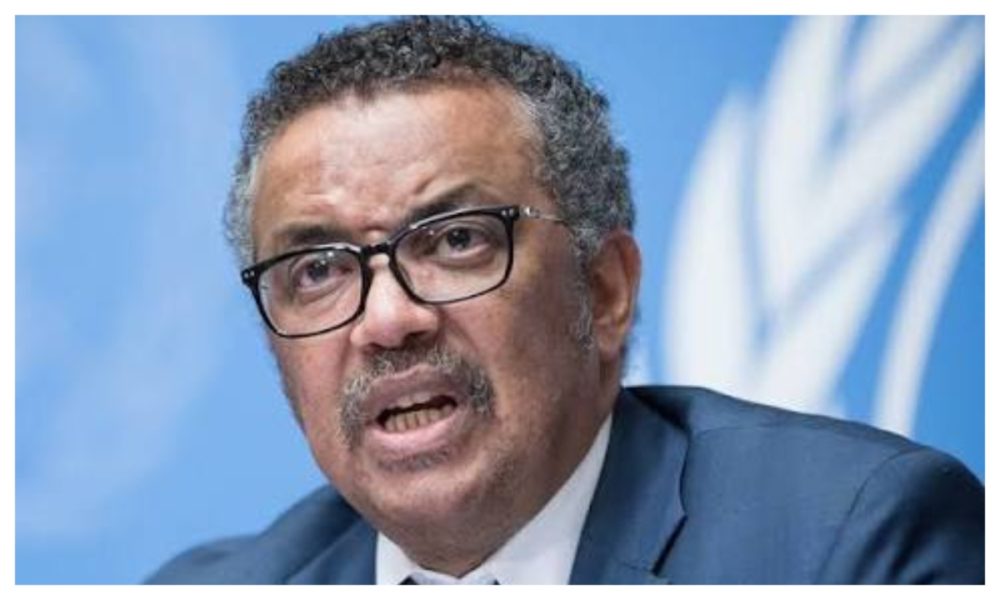
The DR Congo Ebola outbreak is recording 50 to 80 new confirmed cases daily, with about 10,000 cases and nearly 5,000 deaths reported
Anambra illegal health facilities face renewed scrutiny as the state seeks NMA support to identify unregistered clinics and protect patients from unsafe treatment
Anambra State Commissioner for Health, Dr Afam Obidike, has called on the Nigerian Medical Association (NMA) to help identify and shut down unregistered health facilities and curb the activities of unqualified practitioners in Anambra State, south-east Nigeria, on Sunday, 25 October 2026, as the government steps up efforts to protect patients from unsafe medical treatment.
Also read:Delta APC Warns Against Violence as 2027 Campaigns Near
Speaking at the closing ceremony of the 2026 Physicians’ Week and Scientific Conference of the NMA’s Awka Zone in Awka, Obidike described the association as an important partner in the state’s campaign to strengthen healthcare regulation and improve patient safety.
The commissioner said the government intended to work closely with medical professionals to identify individuals practising without appropriate qualifications and facilities operating outside established regulatory requirements.
“Anambra is going to work with the NMA because they will help us to identify people who are not medical personnel practising in Anambra,” he said.
“We are determined to shut all of them down because when people go there, they receive treatment that is not proper for their ailment.”
Obidike also urged prospective healthcare facility owners to consult the Department of Medical Services before establishing their operations.
He said applicants must obtain the relevant requirements, including specifications governing the design of their buildings, before proceeding.
The proposed collaboration comes amid existing enforcement efforts by the state government.
In June 2026, the Anambra State Ministry of Health sealed several private hospitals and medical laboratories over regulatory violations, including expired or unrenewed registrations, inadequate sanitation and the use of personnel without valid professional licences.
Anambra State Government reports said the inspections uncovered instances of unqualified individuals providing healthcare services, including a diagnostic centre where a person performing ultrasound examinations was reportedly a student without the necessary degree or professional qualifications.
The enforcement exercise demonstrated the practical risks that regulatory oversight is intended to address.
The state operates a registration and accreditation framework for healthcare facilities through its health facilities monitoring and accreditation authority.
Under the framework, operators are required to register their establishments and renew their operational approvals annually.
Compliance helps regulators assess whether facilities meet the required standards for providing medical services.
However, identifying unregistered facilities across the state and ensuring sustained compliance will require continued monitoring, effective public reporting and cooperation between regulators and recognised medical professionals.
The NMA’s involvement could strengthen the authorities’ ability to identify suspected cases of medical quackery, although the effectiveness of the initiative will depend on how consistently reports are investigated and regulatory decisions are enforced.
The appeal was made during a conference themed “Securing the Future of Medicine in Nigeria and Sub-Saharan Africa”, which combined professional discussions with activities focused on doctors’ welfare and recognition of service to the medical profession.
In his welcome address, Professor Tim-Uzoma Mbaeri, chairman of the NMA’s Awka Zone, said the annual event provided an opportunity for medical practitioners to reconnect, celebrate their profession and support colleagues facing health challenges.
Mbaeri said the association had visited sick colleagues and provided free laboratory investigations, including prostate-specific antigen testing and urinalysis, as part of its Physicians’ Week activities.
He described the programme as an opportunity to strengthen professional relationships and extend support beyond the clinical workplace.
“We find satisfaction not merely in the event we organised, but in the lives we have touched, the colleagues we have encouraged, the relationships we have strengthened and the visibility we have given to our profession,” Mbaeri said.
The programme also featured a novelty football match, offering participants an opportunity for recreation and closer engagement with colleagues from other institutions.
Three personalities received awards recognising their contributions to the medical profession and the association.
The recipients were Associate Professor Ifeoma Njelita, Dr Emmanuel Umenweke and lawyer Amaka Ezeno.
Njelita, a consultant in community medicine at Chukwuemeka Odumegwu Ojukwu University Teaching Hospital, was recognised for her contributions to medical practice and healthcare delivery.
Umenweke is a medical doctor at the Nnamdi Azikiwe University Medical Centre in Awka, while Ezeno is a lawyer, Notary Public and member of the Body of Benchers.
The awards provided a note of celebration at an event that also highlighted the challenges facing healthcare delivery and the importance of professional standards.
For Anambra, the government’s appeal to the NMA places renewed emphasis on a central public health concern: ensuring that people seeking treatment can distinguish legitimate healthcare providers from establishments operating without the required approvals.
The immediate priority will be to translate the proposed partnership into effective identification, inspection and enforcement measures while ensuring that compliant facilities can continue serving their communities.
Also read:Delta APC Warns Against Violence as 2027 Campaigns Near
Ultimately, sustained regulation, professional accountability and public awareness will be essential to protecting patients and building greater confidence in healthcare services across the state.
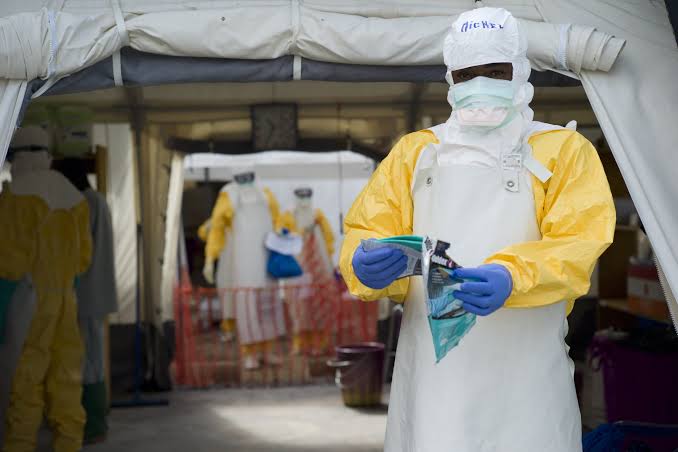
Yobe Ebola emergency response measures include enhanced surveillance, isolation facilities and contact tracing as officials reassure residents
The Yobe State Government has activated its public health emergency response system and intensified disease surveillance following Nigeria’s confirmation of an imported Ebola case, assuring residents that no infection has been recorded in the state.
Also read: FBI Seizes 53 Devices, Arrests Nine in Nigeria
The government announced the measures on Monday during a press briefing at the State Emergency Operations Centre in Damaturu, the state capital.
The Permanent Secretary of the Ministry of Health and Human Services, Hadiza Sabo, said the response followed the confirmation of Ebola Bundibugyo virus disease in Nigeria by the Nigeria Centre for Disease Control and Prevention (NCDC) on October 20, 2026.
The patient had travelled to Nigeria from Uganda and was initially isolated for treatment.
“The patient is currently in isolation and receiving care, while the NCDC has activated its national Incident Management System,” Sabo said, describing the situation and response measures at the time of the briefing.
She said 53 close contacts, including healthcare workers, patients, caregivers and travel-related contacts, had been identified as of October 24 and were being monitored.
She added that 46 exposed persons had been placed on a 21-day no-fly list as a precautionary measure.
Sabo said the state was strengthening its preparedness in response to the regional outbreak and the risks associated with international travel and cross-border movement.
She said Governor Mai Mala Buni had directed the activation of the Public Health Emergency Incident Management System and the development of a comprehensive emergency preparedness and response plan.
“In line with the national directive and NCDC guidelines, Governor Mai Mala Buni has directed the activation of the Public Health Emergency Incident Management System and the development of a comprehensive Emergency Preparedness and Response plan,” she said.
According to the permanent secretary, Yobe has activated emergency response teams, established isolation facilities and intensified contact tracing as part of efforts to detect and contain any potential spread of the virus.
She said the state’s preparedness activities were organised around six technical pillars recommended by the NCDC.
The State Emergency Operations Centre has been placed on high alert, while coordination meetings have been held to strengthen collaboration with the NCDC, the World Health Organisation and UNICEF.
Surveillance has also been intensified across Yobe’s 17 local government areas. Disease Surveillance and Notification Officers have been directed to investigate and verify reports and alerts promptly.
Sabo said the state had strengthened contact-tracing arrangements to ensure that identified contacts were monitored for 21 days.
She added that designated isolation and treatment facilities across the state’s three senatorial zones had been equipped with medicines and personal protective equipment.
Frontline health workers had also received additional training in infection prevention and control, safe sample collection and the clinical management of suspected cases.
The permanent secretary urged residents to practise good hygiene, including regular handwashing with soap and water or using alcohol-based hand sanitisers.
She advised the public to avoid direct contact with the blood and bodily fluids of sick people and to refrain from traditional burial practices involving direct contact with corpses.
Sabo also warned against spreading unverified information and urged residents to rely on official updates from the state Ministry of Health and the NCDC.
She cautioned against stigmatising people identified as contacts, explaining that being listed as a contact did not mean that an individual had contracted the virus.
“Yobe State has no case of Ebola, but our Incident Management System is fully active and operational to protect the people of the state,” she said.
The state’s preparedness measures come as Nigeria continues to monitor the situation following the imported case.
On October 26, the World Health Organisation’s Regional Director for Africa said Nigeria had no active Ebola cases after the patient and her husband were medically evacuated to Switzerland.
Health authorities, however, continued to monitor other identified contacts and maintain vigilance.
Also read: FBI Seizes 53 Devices, Arrests Nine in Nigeria
The Bundibugyo virus is a type of Ebola virus that can cause severe illness. Public health authorities have emphasised early detection, contact tracing, infection prevention and cross-border coordination as essential measures for limiting transmission.
-
Politics3 years ago
13 Ondo Assembly Members Disown Endorsement of Aiyedatiwa
-
Politics3 years ago
APC Group, Ondo Govt, Quarrel Over Money for Endorsement
-

 Trending News5 years ago
Stop unsavoury, inciting statements – DSS warns
-

 Others5 years ago
Adron Homes Celebrates 10 Years Of Housing Excellence
-

 Humanity5 years ago
President Buhari Commiserates With Ambassador Maureen Tamuno Over The Loss Of Her Father
-

 Others7 years ago
EX- CUSTOMS BOSS, IBRAHIM MERA’S DWINDLING FAME
-

 Business3 years ago
Bigi Carbonated Soft Drinks Treats 40 Consumers to an Epic Easter Movie Hangout
-

 Business2 years ago
Wema Bank Shines at Global SME Finance Forum Conference Awards 2024 …Awarded: • SME Financier of the Year (Africa) • Platinum Award for Best Financier for Women Entrepreneurs (Africa)