
Politics
Illegitimate Mandate: Time Ticks for Dapo Abiodun

—Fela Shodunke


The DNA of the March 18, 2023 Governorship election in Ogun State is being tested at the Governorship Election Tribunal in Aboekuta the State capital. Blood (Voters) samples have been drawn from polling units and forensic proofs suggest contamination in the electoral waters. A forensic audit of early samples is clear that Dapo Abiodun is a surrogate holder of the office and the “Governor” might just be standing by as a mere “Placeholder” pending the determination of the men and women of the Bench on the Tribunal Panel. The fate of the people and the fortune of Ogun State hangs on the clear justice and reports of the eminent jurists, who from available conduct and dispositions so far have exhibited good conscience and professionalism in the determination of the election petition.
Those who have followed the process at the tribunal in the past few weeks could draw their own conclusions. Where Mr. Dapo Abiodun got it wrong, his request to some officers of the electoral umpire at the twilight of the voting process was actually his greatest undoing; perhaps he might have been able to run away with a rerun, and maybe, just maybe he would have been able to neat up his desperate hold onto power. Documents and witnesses’ testimonies before the panel screams loudly about Abiodun’s last minute desperate request: “Just declare me winner first and I will go and sort out the rest in the court”. Of course, he got what he paid for, he was declared a winner, but not by INEC but by a proxy on rentals from the University of Ibadan. At least we can see the INEC as an institution at play in the court; the electoral umpire seems to be making a clear distinction between INEC officials who can make themselves available for purchases and INEC as an independent institution. It was the INEC as an Institution that is standing trial before the election petition tribunal and it appears to be distancing itself from the compromises of some of its officials. Their only mission in court is to verify and authenticate documents presented by all parties to the matter; INEC has sought to maintain its independence and neutrality in this matter. I dare say, this is good and healthy for our democracy.
As the clock ticks for his exit from Oke Mosan, just as the reality unfolding before the Tribunal speaks to a blatant abuse of power and profligate spending of the resources of Ogun State to buy anyone “buyable”, the question some have been asking in hushed tones is: will Mr. Dapo Abiodun goes back to claim his bet from The Proxy on rental who declared him a winner in a contest which he openly lost even when the process was not yet completed? This singular decision made an already bad situation worse for Dapo Abiodun where he had the last opportunity to muscle the last strain of energy to rewrite his own fortune. This opportunity was lost in clear desperation because now the tribunal panel will have to look into the books of a stolen mandate rather than into the records of an incomplete process.
The motley crowd of political jobbers in desperate negotiations for a re-appointments have been infecting the contaminated waters of Abiodun’s electoral heist; their reportorial of the court processes have been less impressive, they seem to have elevated the tribunal proceedings to a mere propaganda engagements and infesting the sore wounds and injuries to the common psyche of the people of Ogun State who have suffered the greatest injury to their economic well being under a “guy man” system of Administration in the last four years. It is surely a wrong season to be in court, when all manners of people are jostling for the placeholder Governor’s attention, they are trying to outdo one another for appointment and or re-appointments so they are throwing all manners of irons into the works whether they melt or not, they care less.
The tribunal electoral theatre has been epic, parading all manner of actors; Dapo Abiodun’s Kinsmen from Iperu, Septugenarians, men of the clergy, traditional worshipers, Civil Servants and even staff of the Independent National Electoral Commission all swore that the election was rigged. These are clearly significant, especially when people can go to the extent of swearing by the god of iron to emphasize their deep convictions about Dapo Abiodun’s electoral heist.
Abiodun’s attempt to “mark” and ink himself to electoral victory became a litmus test for the vigilance of the men and women on the bench. It failed the integrity test.
It is equally significant that Ladi Adebutu’s legal team has its job well cut out for them; they have the facts and they will not waste anytime in presenting them. They did fastrack Abiodun’s exit from Oke Mosan by rounding off on their Witnesses and presentation in record time. One of the late Moshood Koasimawo Abiola’s (MKO) popular quotes was that “any business meeting that lasts more than 10 minutes is not going to be profitable, rather it is a waste of time”. Adebutu’s lawyers proved that they mean business, they are not out it waste the time of the courts or the tribunal panel; they have their facts, supported by unassailable evidence, and they went straight for it. Even the brilliance of erudite Prof. Osipitan collapses in the face of the overwhelming evidence; what the Abiodun legal team has left is to begin forum shopping for technicalities if at least to dance out of the cluster web built around them.
Will the fate of the people of Ogun State be determined on technicalities or, will Providence and good conscience rise in the people’s support to ensure that Justice is done and will be seen to have been done based on Truth and available facts. Members of the panel will be the people’s heroes when they serve a sumptuous dish of Justice.
Fela Shodunke writes from Oke Ona, Egbaland.


News
Panic-stricken Enugu APC begins flag-off of already flagged of roads in Nsukka after PDP’s Chijioke Ugwu’s homecoming

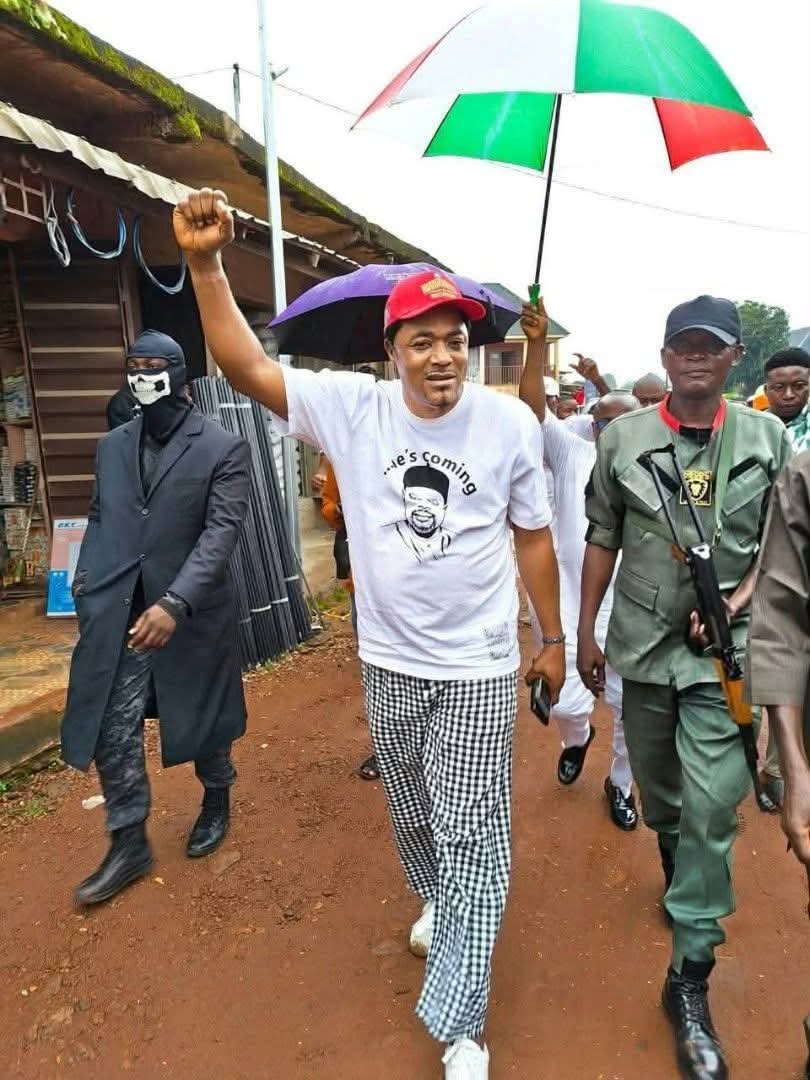

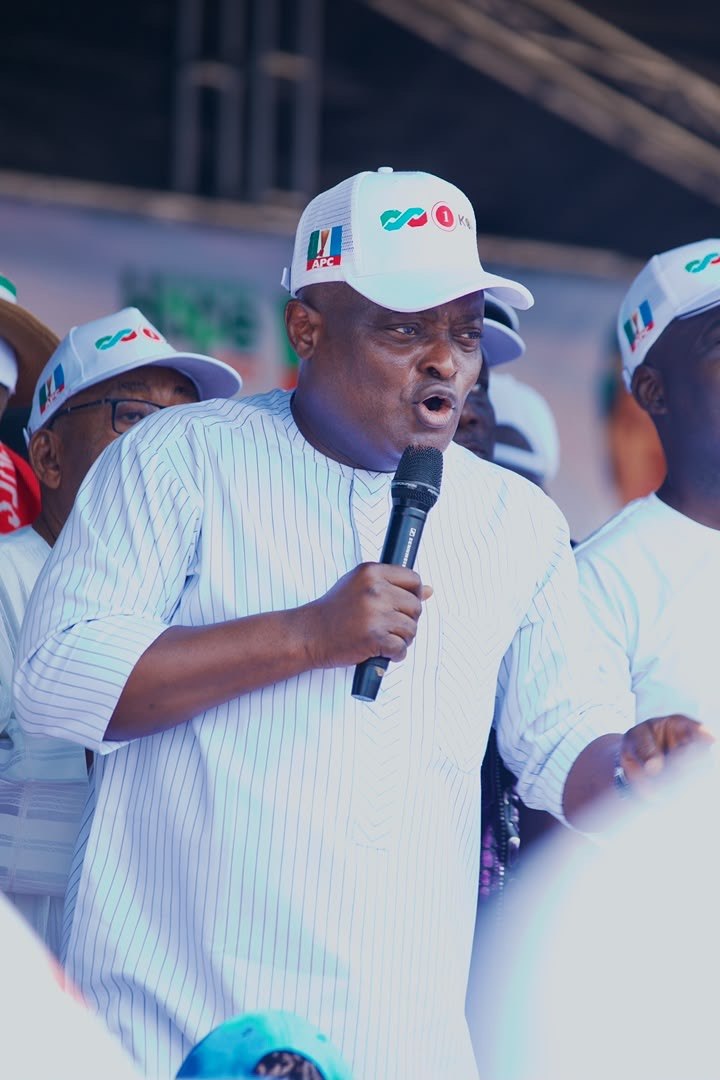
The Speaker of the Lagos State House of Assembly, Mudashiru Ajayi Obasa, has flagged off the All Progressives Congress campaign in Agege Federal Constituency with a mega rally at Amoo Field, Orile Agege.
The rally, held on Wednesday, September 30, brought together APC leaders, party members, traditional and religious leaders, trade associations, artisans and representatives of different communities in the area.
Obasa, who is the APC candidate for the Agege Federal Constituency seat in the House of Representatives, urged supporters to take the party’s campaign to homes, markets, artisan groups, places of worship and community associations ahead of the general election.
Addressing the gathering, he said the party should not be satisfied with a narrow victory but should seek to improve on its previous electoral performance.
“Let us join hands and make sure we deliver. It is not just about victory; we must surpass our previous votes. Sound it loud to everybody, all trade associations, artisans, tribes, religious and traditional leaders. We have the numbers, and we will pour it into the APC,” Obasa said.
He called on supporters to mobilise votes for President Bola Ahmed Tinubu, the APC governorship candidate in Lagos, Dr Kadri Obafemi Hamzat, the Lagos West senatorial candidate, Senator Idiat Oluranti Adebule, and himself in the Agege Federal Constituency.
Obasa said the campaign message should reach different sections of the constituency before election day, with supporters expected to engage residents and encourage them to participate in the electoral process.
He also described the turnout at the rally as an indication of support and cohesion within the party in Agege.
“Agege is always one. And we will continue to be one. There is nothing wrong with our party in Agege,” he said, while dismissing opposition voices and rumours about the party’s structure in the area.
The Speaker also urged party members and supporters to avoid conflict during the campaign, stressing that voters should be allowed to choose their preferred representatives.
“We must try to avoid conflict, because at the end of the day, the people will vote for their representatives, the people they truly want. Nobody can force anyone on the people,” he said.
Obasa’s remarks come as political parties intensify grassroots mobilisation ahead of the general election, with Agege remaining an important constituency in Lagos’s political landscape.
-
Politics3 years ago
13 Ondo Assembly Members Disown Endorsement of Aiyedatiwa
-
Politics3 years ago
APC Group, Ondo Govt, Quarrel Over Money for Endorsement
-

 Trending News5 years ago
Stop unsavoury, inciting statements – DSS warns
-

 Others5 years ago
Adron Homes Celebrates 10 Years Of Housing Excellence
-

 Humanity5 years ago
President Buhari Commiserates With Ambassador Maureen Tamuno Over The Loss Of Her Father
-

 Others7 years ago
EX- CUSTOMS BOSS, IBRAHIM MERA’S DWINDLING FAME
-

 Business2 years ago
Bigi Carbonated Soft Drinks Treats 40 Consumers to an Epic Easter Movie Hangout
-

 Business2 years ago
Wema Bank Shines at Global SME Finance Forum Conference Awards 2024 …Awarded: • SME Financier of the Year (Africa) • Platinum Award for Best Financier for Women Entrepreneurs (Africa)