
News
Lagos Government Refutes False Claims on NURTW Waste Role

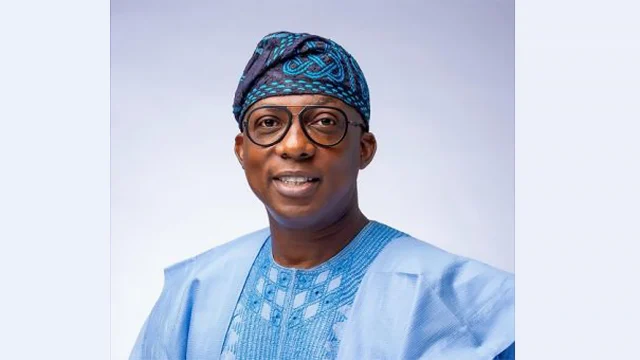
The state clarifies that transport unions have no enforcement powers as it reinforces KAI’s sole authority on environmental law enforcement
The Lagos State Government has clarified its position on environmental enforcement following widespread reports suggesting that members of the National Union of Road Transport Workers (NURTW) had been empowered to enforce environmental laws or arrest offenders across the state.
Also read: Obasa Swears in Oshinowo as First Female Clerk of Lagos Assembly

Commissioner for the Environment and Water Resources, Tokunbo Wahab, dismissed the reports as false and misleading, stating that no transport union or external group has been granted any form of enforcement authority in Lagos State.
He explained that enforcement of environmental sanitation laws remains strictly the responsibility of the Lagos State Environmental Sanitation Corps, also known as KAI, officially the Lagos State Environmental and Special Offences Task Force.
“There is no situation where transport union members have been empowered to act as environmental law enforcement officers in Lagos State,” the commissioner said, stressing that only trained government officials are authorised to carry out arrests or enforcement actions.
The clarification comes amid public misunderstanding surrounding recent engagements between government officials and transport unions, which were aimed at improving cleanliness and waste management in motor parks, garages and transport hubs across the state.
According to Wahab, the meetings were designed to encourage cooperation on waste disposal practices in high-traffic areas, where issues such as indiscriminate dumping of refuse, blocked drainage systems and illegal trading remain persistent challenges.
He emphasised that while collaboration with stakeholders is encouraged, it does not include granting enforcement or arrest powers to union members under any circumstances.
The commissioner further reaffirmed that KAI and other relevant enforcement agencies remain fully operational and retain exclusive authority over environmental law enforcement in Lagos.
The state government noted that environmental management in a megacity like Lagos requires collective responsibility, particularly among transport operators, market associations and community leaders, but stressed that legal enforcement must remain in the hands of designated agencies.
Wahab also urged residents to disregard misinformation circulating on social media, warning that false reports could create unnecessary tension and confusion among the public.
“The government urges residents to rely only on official communication channels for accurate information,” he said, adding that misinformation poses a risk to public order.
Reaffirming its commitment to a cleaner and healthier environment, the Lagos State Government said it will continue working with relevant stakeholders to strengthen waste management systems while ensuring strict adherence to environmental laws.
Also read: Obasa Swears in Oshinowo as First Female Clerk of Lagos Assembly
The government maintained that its focus remains on building a more organised, sustainable and environmentally responsible Lagos, where sanitation laws are properly enforced by the appropriate authorities.



Woli Agba confirms Toluwanisings’ death with an emotional tribute as gospel musicians and fans mourn the singer’s passing

-
Politics3 years ago
13 Ondo Assembly Members Disown Endorsement of Aiyedatiwa
-
Politics3 years ago
APC Group, Ondo Govt, Quarrel Over Money for Endorsement
-

 Trending News5 years ago
Stop unsavoury, inciting statements – DSS warns
-

 Others5 years ago
Adron Homes Celebrates 10 Years Of Housing Excellence
-

 Humanity5 years ago
President Buhari Commiserates With Ambassador Maureen Tamuno Over The Loss Of Her Father
-

 Others7 years ago
EX- CUSTOMS BOSS, IBRAHIM MERA’S DWINDLING FAME
-

 Business2 years ago
Bigi Carbonated Soft Drinks Treats 40 Consumers to an Epic Easter Movie Hangout
-

 Business2 years ago
Wema Bank Shines at Global SME Finance Forum Conference Awards 2024 …Awarded: • SME Financier of the Year (Africa) • Platinum Award for Best Financier for Women Entrepreneurs (Africa)