
News
Experts Warn Nigeria Over Weak Maritime Infrastructure Gaps


Experts warn Nigeria risks losing Blue Economy gains without urgent investment in manpower, security and port efficiency across the maritime sector

Maritime stakeholders in Nigeria on Friday raised fresh concerns over the country’s readiness to fully harness its Blue Economy potential, warning that weak investment in manpower development, maritime security and port efficiency could continue to undermine economic gains.
Also read: Lekki Deep Seaport access road boosts maritime confidence
The warning came during discussions at the 2nd International Conference on Maritime Trade and Transport 2026, held at the Petroleum Training Institute Conference Centre in Effurun, Delta State, where industry leaders gathered to assess Nigeria’s maritime future.
The Nigeria Blue Economy maritime warnings dominated the event themed “The Nigerian Maritime Sector: Harnessing the Potentials, Challenges and Future Trends,” with experts urging stronger policy execution and improved infrastructure across the sector.
President of the Chartered Institute of Logistics and Transport, Nigeria, Dr Boboye Oyeyemi, said Nigeria’s vast coastline and multiple seaports had not translated into commensurate maritime power, despite the country’s natural advantages.
“Nigeria is a maritime nation but not yet a maritime power. We have several seaports, but there has not been substantial progress in the sector,” Oyeyemi said, stressing that inefficiencies in logistics and policy implementation continue to limit growth.
He called for urgent reforms to strengthen infrastructure and improve coordination within the maritime ecosystem, noting that the sector remains critical to national economic diversification.
Delivering the keynote address, retired Commodore Kingdom Itoko identified human factors as a major challenge in maritime security, despite what he described as adequate equipment to combat threats on Nigeria’s waterways.
According to him, sustaining maritime safety will require continuous training and behavioural reform among operators in the sector, alongside improved institutional discipline.
“We must continue to train young professionals who can sustain the sector and secure our maritime environment for future economic growth,” he said.
Founder and President of Global Maritime Academy, Ejiro Onakughotor, said the institution was created to support government efforts under the Blue Economy policy by building competent maritime manpower for the industry.
He explained that the academy focuses on combining theory with practical training to produce graduates capable of meeting global industry demands.
Earlier, in a welcome address delivered by Prof Kenneth U Nnadi, the conference highlighted the importance of the maritime sector as a key driver of global trade, while noting the growing relevance of sustainability within the Blue Economy framework.
Nnadi explained that modern maritime development now integrates environmental protection, innovation and long term economic planning to ensure sector resilience.
Also read: Maritime Agents Shut MSC Apapa Office Over Freight Hike
Highpoint of the conference was the induction of 40 students into


Anambra illegal health facilities face renewed scrutiny as the state seeks NMA support to identify unregistered clinics and protect patients from unsafe treatment
Anambra State Commissioner for Health, Dr Afam Obidike, has called on the Nigerian Medical Association (NMA) to help identify and shut down unregistered health facilities and curb the activities of unqualified practitioners in Anambra State, south-east Nigeria, on Sunday, 25 October 2026, as the government steps up efforts to protect patients from unsafe medical treatment.
Also read:Delta APC Warns Against Violence as 2027 Campaigns Near
Speaking at the closing ceremony of the 2026 Physicians’ Week and Scientific Conference of the NMA’s Awka Zone in Awka, Obidike described the association as an important partner in the state’s campaign to strengthen healthcare regulation and improve patient safety.
The commissioner said the government intended to work closely with medical professionals to identify individuals practising without appropriate qualifications and facilities operating outside established regulatory requirements.
“Anambra is going to work with the NMA because they will help us to identify people who are not medical personnel practising in Anambra,” he said.
“We are determined to shut all of them down because when people go there, they receive treatment that is not proper for their ailment.”
Obidike also urged prospective healthcare facility owners to consult the Department of Medical Services before establishing their operations.
He said applicants must obtain the relevant requirements, including specifications governing the design of their buildings, before proceeding.
The proposed collaboration comes amid existing enforcement efforts by the state government.
In June 2026, the Anambra State Ministry of Health sealed several private hospitals and medical laboratories over regulatory violations, including expired or unrenewed registrations, inadequate sanitation and the use of personnel without valid professional licences.
Anambra State Government reports said the inspections uncovered instances of unqualified individuals providing healthcare services, including a diagnostic centre where a person performing ultrasound examinations was reportedly a student without the necessary degree or professional qualifications.
The enforcement exercise demonstrated the practical risks that regulatory oversight is intended to address.
The state operates a registration and accreditation framework for healthcare facilities through its health facilities monitoring and accreditation authority.
Under the framework, operators are required to register their establishments and renew their operational approvals annually.
Compliance helps regulators assess whether facilities meet the required standards for providing medical services.
However, identifying unregistered facilities across the state and ensuring sustained compliance will require continued monitoring, effective public reporting and cooperation between regulators and recognised medical professionals.
The NMA’s involvement could strengthen the authorities’ ability to identify suspected cases of medical quackery, although the effectiveness of the initiative will depend on how consistently reports are investigated and regulatory decisions are enforced.
The appeal was made during a conference themed “Securing the Future of Medicine in Nigeria and Sub-Saharan Africa”, which combined professional discussions with activities focused on doctors’ welfare and recognition of service to the medical profession.
In his welcome address, Professor Tim-Uzoma Mbaeri, chairman of the NMA’s Awka Zone, said the annual event provided an opportunity for medical practitioners to reconnect, celebrate their profession and support colleagues facing health challenges.
Mbaeri said the association had visited sick colleagues and provided free laboratory investigations, including prostate-specific antigen testing and urinalysis, as part of its Physicians’ Week activities.
He described the programme as an opportunity to strengthen professional relationships and extend support beyond the clinical workplace.
“We find satisfaction not merely in the event we organised, but in the lives we have touched, the colleagues we have encouraged, the relationships we have strengthened and the visibility we have given to our profession,” Mbaeri said.
The programme also featured a novelty football match, offering participants an opportunity for recreation and closer engagement with colleagues from other institutions.
Three personalities received awards recognising their contributions to the medical profession and the association.
The recipients were Associate Professor Ifeoma Njelita, Dr Emmanuel Umenweke and lawyer Amaka Ezeno.
Njelita, a consultant in community medicine at Chukwuemeka Odumegwu Ojukwu University Teaching Hospital, was recognised for her contributions to medical practice and healthcare delivery.
Umenweke is a medical doctor at the Nnamdi Azikiwe University Medical Centre in Awka, while Ezeno is a lawyer, Notary Public and member of the Body of Benchers.
The awards provided a note of celebration at an event that also highlighted the challenges facing healthcare delivery and the importance of professional standards.
For Anambra, the government’s appeal to the NMA places renewed emphasis on a central public health concern: ensuring that people seeking treatment can distinguish legitimate healthcare providers from establishments operating without the required approvals.
The immediate priority will be to translate the proposed partnership into effective identification, inspection and enforcement measures while ensuring that compliant facilities can continue serving their communities.
Also read:Delta APC Warns Against Violence as 2027 Campaigns Near
Ultimately, sustained regulation, professional accountability and public awareness will be essential to protecting patients and building greater confidence in healthcare services across the state.

Kogi investment tour led by Natasha Akpoti-Uduaghan brought four European ambassadors to explore the state’s tourism, cultural heritage and local industries
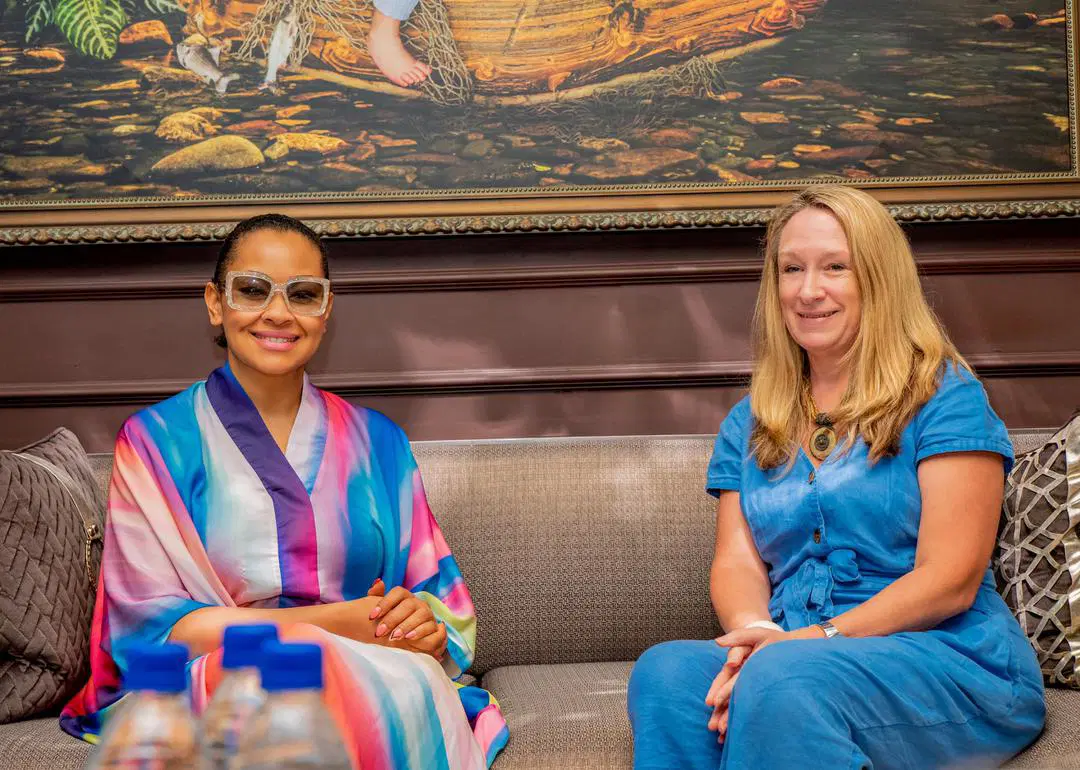
Senator Natasha Akpoti-Uduaghan, representing Kogi Central, has hosted ambassadors from Belgium, Denmark, Italy and Spain on a tour of Kogi State aimed at attracting investment, promoting tourism and showcasing local industries.
Also read: Lula Wins Historic Fourth Term as Bolsonaro Challenges Brazil Vote
The visit featured tours of historical landmarks, cultural activities and interactions with artisans and community members, with discussions focused on potential investment and humanitarian partnerships that could create jobs, support local businesses and improve livelihoods.
According to a statement issued by the senator’s media aide, Mike Idoko, in Abuja on Monday, the delegation visited several attractions in the state to explore its economic potential and gain insight into the traditions and hospitality of the Ebira people.
The tour began at Lord Lugard’s Rest House on Mount Patti in Lokoja before the delegation visited the confluence of the Niger and Benue rivers.
The ambassadors subsequently travelled to Kogi Central for cultural activities and meetings with local communities.
Italy’s Ambassador to Nigeria, Roberto Mengoni, described the confluence as a symbol of national unity and expressed optimism about opportunities for collaboration with the state.
“Kogi is very rich, and we look forward to partnership,” Mengoni said, thanking Akpoti-Uduaghan for facilitating the visit.
Belgium’s Ambassador, Pieter Leenknegt, praised the experience, particularly a hiking expedition around the historic hills of Ihima.
He commended the opportunity to explore the region’s landscape, culture and local cuisine.
The cultural programme also included a visit to Obeiba Hill, where the diplomats sampled traditional foods, including akara, apapa and akamu.
The delegation observed indigenous production processes such as shea butter and palm kernel oil extraction, black soap making, pottery and traditional Ebira cloth weaving.
A masquerade performance further introduced the visitors to the community’s cultural identity and artistic traditions.
Denmark’s Ambassador, Jens Hansen, expressed admiration for the skills of local artisans, particularly women engaged in pottery, traditional clothing and other crafts.
He said the locally made products reflected the creativity and determination of the artisans, adding that their work offered opportunities for enterprise development and access to wider markets.
Addressing the delegation, Akpoti-Uduaghan said the tour was intended to demonstrate that Kogi Central’s economic prospects extended beyond tourism to include indigenous industries, skilled workers and entrepreneurial communities.
She said discussions with the ambassadors covered investment and humanitarian opportunities, expressing hope that the engagement would lead to partnerships with lasting benefits for residents.
“To attract investment, we must give people the chance to see our strengths for themselves: our skills, our enterprise, our culture and our people,” the senator said.
However, a planned visit to the Ajaokuta Steel Company did not take place because access to the facility was reportedly not approved, despite a written request by the senator.
Akpoti-Uduaghan said the delegation could only view the complex from outside its gates.
She expressed disappointment over the development and reiterated her call for the revival of the steel plant, describing it as essential to Nigeria’s industrial ambitions.
“Ajaokuta remains central to the industrial future we want for our people, and I will continue to advocate for its revival,” she said.
The Ajaokuta steel complex has long represented Nigeria’s unfulfilled industrial ambitions.
Its revival has been viewed as a potential avenue for expanding manufacturing, creating employment and strengthening domestic supply chains.
Despite successive government efforts to complete and operationalise the facility, the plant has yet to fulfil its intended role as a major driver of industrialisation.
The senator thanked community leaders, residents and artisans for welcoming the delegation, saying their hospitality had helped introduce the Ebira nation to an international audience.
She also thanked the four ambassadors, identifying them as Pieter Leenknegt of Belgium, Jens Hansen of Denmark, Roberto Mengoni of Italy and Félix Costales Artieda of Spain, for accepting the invitation and engaging with local communities.
Also read: Lula Wins Historic Fourth Term as Bolsonaro Challenges Brazil Vote
Akpoti-Uduaghan said the visit had provided an opportunity to promote Kogi Central’s tourism assets, cultural heritage and indigenous enterprises, expressing hope that the exposure would attract investment and partnerships to the area.
-
Politics3 years ago
13 Ondo Assembly Members Disown Endorsement of Aiyedatiwa
-
Politics3 years ago
APC Group, Ondo Govt, Quarrel Over Money for Endorsement
-

 Trending News5 years ago
Stop unsavoury, inciting statements – DSS warns
-

 Others5 years ago
Adron Homes Celebrates 10 Years Of Housing Excellence
-

 Humanity5 years ago
President Buhari Commiserates With Ambassador Maureen Tamuno Over The Loss Of Her Father
-

 Others7 years ago
EX- CUSTOMS BOSS, IBRAHIM MERA’S DWINDLING FAME
-

 Business3 years ago
Bigi Carbonated Soft Drinks Treats 40 Consumers to an Epic Easter Movie Hangout
-

 Business2 years ago
Wema Bank Shines at Global SME Finance Forum Conference Awards 2024 …Awarded: • SME Financier of the Year (Africa) • Platinum Award for Best Financier for Women Entrepreneurs (Africa)