
Entertainment
Our Stories Deserve the World Stage — Dapo Opayinka on Nollywood, Diaspora Filmmaking, and Cultural Legacy

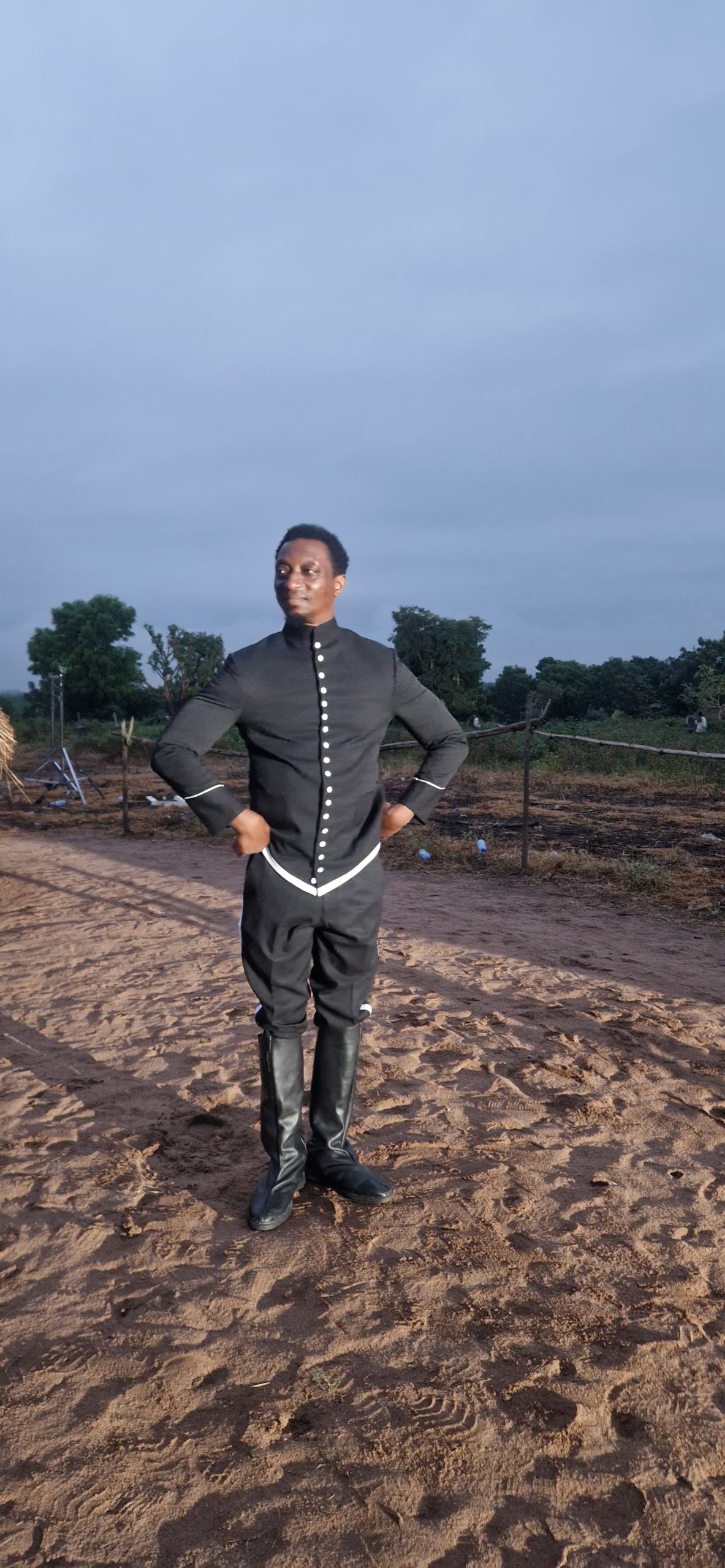
Dapo Opayinka diaspora filmmaking bridges African heritage and diaspora identity, spotlighting Nollywood stories on a global stage with authenticity and pride

UK-based bilingual Nollywood actor, MC, and filmmaker, Dapo Opayinka, speaks on his journey from theatre to the big screen, building bridges through storytelling, and what’s next for African narratives in global cinema.
Also read: Dapo Opayinka: UK-based bilingual Nollywood actor bridging cultures through stage, screen
Dapo, you’ve had quite a journey from theatre to film, from Nigeria to the UK. Let’s start with how it all began. What drew you into acting?
Dapo Opayinka: (Smiling) Ah, where do I start? I think storytelling has always lived inside me. I was that kid who would mimic characters from films or make up my own scenes with cousins during family gatherings.
But professionally, it really kicked off at the London Drama School. That place sharpened me. The stage gave me discipline, and theatre? It gave me soul.
Your roles span Yoruba tragedies, British-Nigerian productions, and Nollywood cinema. How do you navigate these different worlds?
Dapo: Honestly, I don’t separate them. They’re all part of me. Being bilingual and bicultural isn’t a balancing act; it’s more like a fusion.
Whether I’m Mallam Gaskiya in Our Husband Has Gone Mad Again or Gbonka in The Gods Are Not to Blame, I bring a bit of both worlds to every character. That’s the magic.
One of your standout performances was as Etieno, a Kenyan freedom fighter. What did that role mean to you?
Dapo: That one was special. Etieno wasn’t just a character; he was a symbol. Playing him in Darkest Hour to Victory pushed me emotionally.
I had to tap into the spirit of resilience, of struggle; and the African story of fighting for dignity. That role reminded me why I act.
You’ve made quite the transition into Nollywood with titles like Basira in London and Sista Sista. What’s that experience been like?
Dapo: Oh, Nollywood! It’s a whirlwind; but in the best way. It’s vibrant, demanding, and beautiful. Basira in London was hilarious to shoot.
And Sista Sista… that one connected deeply with diaspora realities. However, the first movie I ever acted in was Captivated by Toyin Moore.
Nollywood is evolving, and I’m grateful to be part of the shift that bridges tradition with modern diaspora stories.
Interviewer: And you’re not just acting; you’re producing also?
Dapo: Yep! I’ve produced four indie films; The Actor, The Passport, Amuwa, and Apeje. Each one is a passion project. They’re stories that reflect our struggles, humour, love… all in our voice.
I’m now working on The Telepath, and it’s shaping up to be my boldest yet. Let’s just say… I’m going sci-fi with an African twist.
Ireke was privately screened at Cannes recently. Tell us about that.
What we need now is to keep telling the truth—our truth—with quality and pride. The world is watching. It’s our time.
Dapo: That was surreal. Cannes is every filmmaker’s dream, and to have Ireke: Rise of The Maroons shown there; even privately, was humbling. It’s a love letter to heritage and identity.
The film is a historical drama blended with romance, and it tells a powerful and thought-provoking story about ancestral resistance.
Set in the Bight of Benin and Colonial Jamaica in the 17th century, it follows the uprising of African captives who were unjustly enslaved and forced into brutal labour.
But they fought back. The film connects West African cultural roots—like Igbo camouflage and Yoruba resilience—with the legacy of the Maroons in Jamaica. Even Queen Nanny’s origins spark that playful Nigeria-Ghana rivalry!
We’re releasing nationwide in the UK and Nigeria on 25th July, and I honestly can’t wait for audiences to experience it.
It’s raw, it’s emotional, and despite the tight budget, it’s a cinematic journey that celebrates the resilience of our people and the bond between Africa and the Caribbean. It’s what African cinema should be—global, grounded, and unapologetically ours.
You’ve also built a name as a charismatic MC. How did that side of you emerge?
Dapo: (Laughs) That came naturally. I love people. I love culture. Being an MC at diasporic events allows me to celebrate us—our weddings, festivals, even protests. It’s about connection. Plus, Yoruba proverbs? Always a hit!
What’s your ultimate goal as an actor?
Dapo: I want to tell our authentic story and promote the richness of our culture. I believe our stories; if told well, are universal. My goal is to connect the African experience with real human emotions that cross language, border, and race. Simple.
You once said, “Our stories deserve the world stage.” How close are we to that reality?
Dapo: We’re closer than we think. Platforms are opening up. Audiences are curious. What we need now is to keep telling the truth—our truth—with quality and pride. The world is watching. It’s our time.
Dapo, thank you. It’s been a pleasure.
Also read: Nollywood Actor, BOLANLE NINALOWO BECOMES SURVEILLANT FIRE LTD BRAND AMBASSADOR
Dapo: Thank you! And to every young creative out there: keep pushing. Your voice matters.


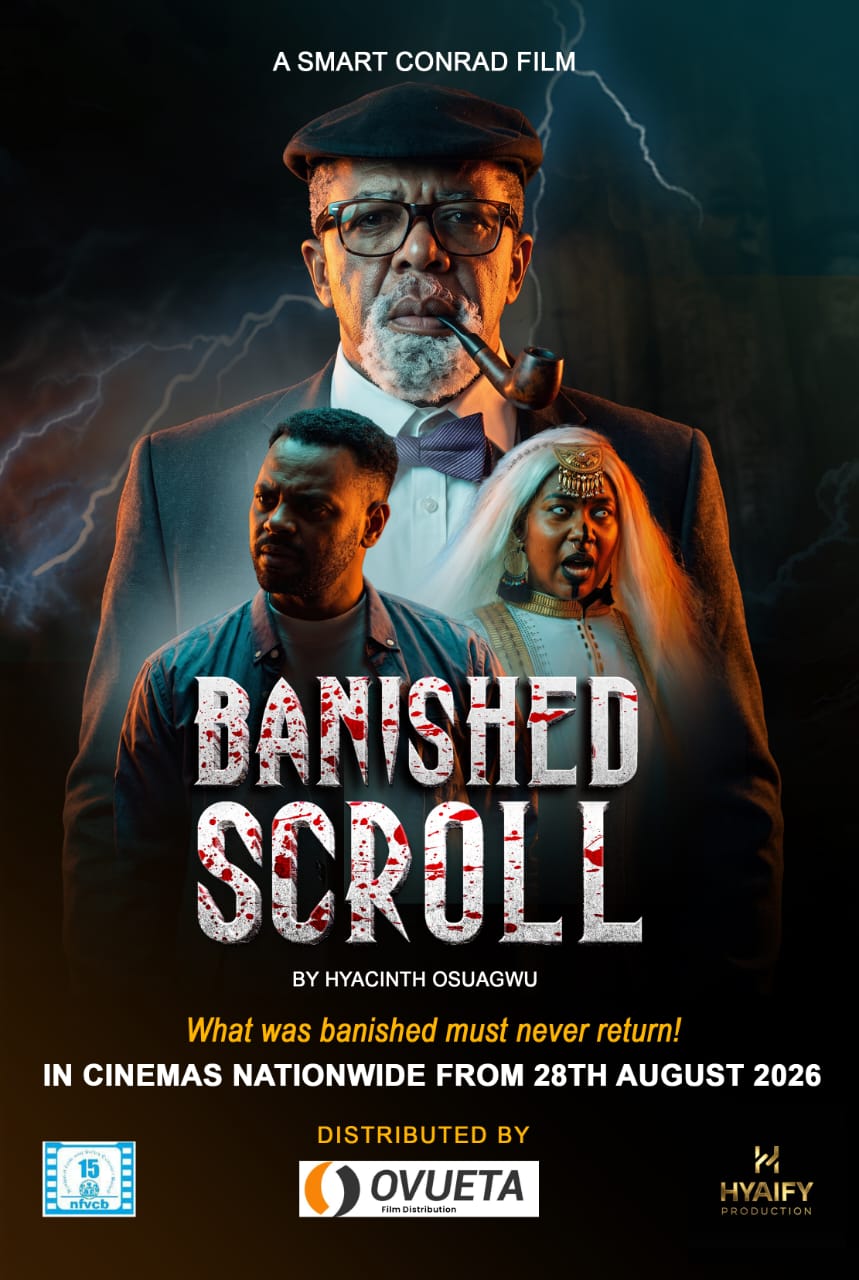
Banished Scroll August 28 Cinema Premiere begins in Nigeria, Ghana and Benin as Smart Conrad’s supernatural folk horror makes its world debut

-
Politics2 years ago
13 Ondo Assembly Members Disown Endorsement of Aiyedatiwa
-
Politics2 years ago
APC Group, Ondo Govt, Quarrel Over Money for Endorsement
-

 Trending News5 years ago
Stop unsavoury, inciting statements – DSS warns
-

 Others4 years ago
Adron Homes Celebrates 10 Years Of Housing Excellence
-

 Humanity4 years ago
President Buhari Commiserates With Ambassador Maureen Tamuno Over The Loss Of Her Father
-

 Others7 years ago
EX- CUSTOMS BOSS, IBRAHIM MERA’S DWINDLING FAME
-

 Business2 years ago
Bigi Carbonated Soft Drinks Treats 40 Consumers to an Epic Easter Movie Hangout
-

 Business2 years ago
Wema Bank Shines at Global SME Finance Forum Conference Awards 2024 …Awarded: • SME Financier of the Year (Africa) • Platinum Award for Best Financier for Women Entrepreneurs (Africa)