
Business
When Billionaire Gas mogul, Julius Rone Shone like a Diamond


Think of a billionaire businessman blessed with money, brains, confidence, oratory power and the name of Julius Rone, OFR, Group Managing Director, of UTM Offshore Limited, UTMOL will pop up.

It is definitely an incontestable fact that the serial entrepreneur is one of the few Nigerian business moguls that rub shoulders with other high networth individuals around the world. His rich and diverse entrepreneurial journey that has helped shape
For many years, he has been busy cutting deals beyond the shores of the continent of Africa while also proving that good things can also come out from this side of the world.
He has a rich and diverse entrepreneurial journey that has helped shape the business sector in Africa. His path to success includes a series of ventures that have significantly contributed to the region’s business growth.
Aside his pedigree as a topnotch business strategist, it is also a gospel truth that the man, fondly called ‘King of Gas’, is also popular among other high-flying business moguls for his eloquence and articulacy.
The Delta-born top player in the gas sector, as gathered, exhibited that he is not only wealthy but also brainy.
This he has not failed to flaunt whenever the occasions arise, and the occasions seem to arise so many times lately and Rone has never been found wanting.
In fact, a source revealed that this is the reason he is being invited to seminars, forums and business meetings around the world where he has dazzled many with his talent like the great Roman orator, Cicero.
Once, again he shone brilliantly like a diamond yesterday, Tuesday November, 14, 2023, at the LNG shipping and terminals Conference in London. The man, full of ingenuity, mesmerised his audience while he spoke about The Role of Policy Instruments and Government Support for the FLNG Project such as Investment Incentives, Regulatory Framework, where government policies can provide financial incentives such as tax breaks, grants, or subsidies to attract private investment in FLNG projects. These incentives, he explained, can help reduce the overall project cost and encourage private sector participation.
The very brilliant businessman also talks about how governments play a crucial role in creating a favourable regulatory environment for FLNG projects, which includes establishing clear guidelines for environmental protection, safety standards, and permitting processes. A well-defined regulatory framework provides certainty for project developers and investors.
Not only that, he also touched on other topics, such as market Drivers for Exploiting Gas in Nigeria, Predicted Gas Volumes from the Development and Quantity expected to be exported, Partnerships in Place and Progress Against Project Timeline and Planning for the challenges of developing Nigeria’s first FLNG project.
The billionaire business mogul received a standing ovation, accompanied with a deafening applause for his dazzling and awe-inspiring speech.
Some of key points he touched include:
The Role of Policy Instruments and Government Support
for the FLNG Project
The Role of Policy Instruments and Government Support For the FLNG Project
Investment Incentives
Regulatory Framework
He gave an insight where government policies can provide financial incentives such as tax breaks, grants, or subsidies to attract private investment in FLNG projects. These incentives can help reduce the overall project cost and encourage private sector participation.
Also, he explained that governments play a crucial role in creating a favorable regulatory environment for FLNG projects. This includes establishing clear guidelines for environmental protection, safety standards, and permitting processes. A well-defined regulatory framework provides certainty for project developers and investors.
The Role of Policy Instruments and Government Support For the FLNG Project
Market Access
Risk Mitigation
Mr. Rone said governments can facilitate market access for FLNG projects by negotiating export agreements, promoting gas trade, and ensuring a fair and transparent market. Access to domestic and international markets is essential for the success of FLNG ventures.
Where LNG projects often involve significant financial and technical risks. Governments can
help mitigate these risks by providing guarantees or insurance options to project
developers. This support can encourage private sector involvement and reduce the
overall cost of financing.
Market Drivers for Exploiting Gas in Nigeria
The Role of Policy Instruments and Government Support For the FLNG Project
Energy Demand & Access
Export Opportunities
He said Nigeria has a growing population and increasing energy demand. Gas is a cleaner and
more environmentally friendly alternative to coal and oil, making it a desirable option for
meeting this growing energy demand. Expanding access to clean and affordable energy is a key driver for gas exploitation.
Rone hinted that Nigeria is one of the world’s top gas reserves holders. Exporting natural gas, especially in the form of liquefied natural gas (LNG), provides a substantial revenue source.
International markets, particularly in Asia and Europe, offer attractive opportunities for
exporting Nigerian gas, making it an economic incentive.
The Role of Policy Instruments and Government Support For the FLNG Project
Industrialization & Economic Growth
Government Policies &
Incentives
‘’Gas is essential for various industries, including manufacturing, petrochemicals, and
power generation. As Nigeria aims to diversify its economy and promote industrialization,
gas becomes a crucial driver, as it can provide a reliable and cost-effective source of
energy for industrial processes and electricity generation.
The Nigerian government’s policies and incentives can significantly influence gas
exploitation. Incentives such as tax breaks, investment support, and favorable regulatory
frameworks can attract both domestic and foreign investors to the gas sector. Policies
aimed at improving gas infrastructure and reducing gas flaring also play a role in driving
gas development’’ He added.


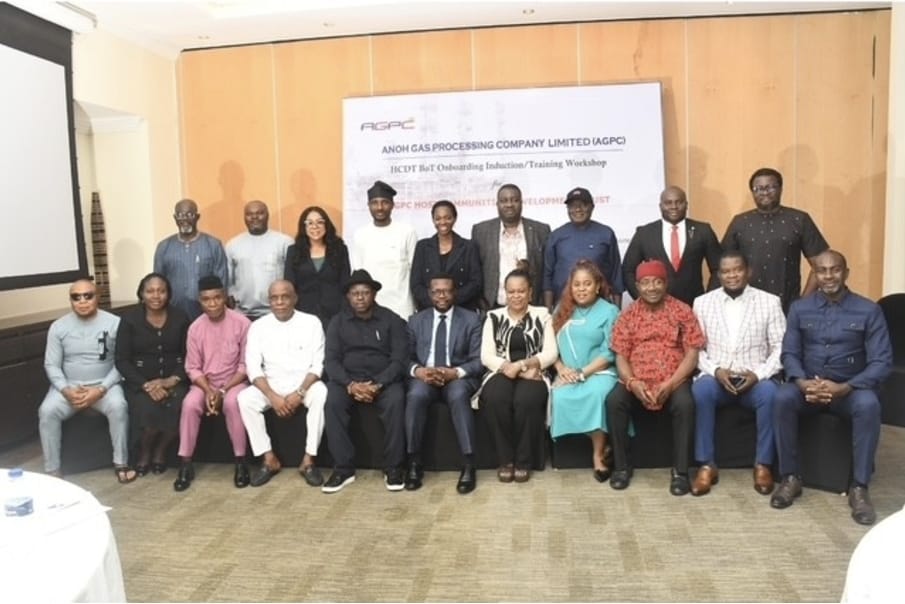
ANOH Gas inaugurates its HCDT Board, setting a new course for sustainable community development, transparency and accountability under the PIA
Banking
Theparkpay Technologies Limited Strengthens Global Payments Infrastructure with UK FCA Licence

-
Politics3 years ago
13 Ondo Assembly Members Disown Endorsement of Aiyedatiwa
-
Politics3 years ago
APC Group, Ondo Govt, Quarrel Over Money for Endorsement
-

 Trending News5 years ago
Stop unsavoury, inciting statements – DSS warns
-

 Others5 years ago
Adron Homes Celebrates 10 Years Of Housing Excellence
-

 Humanity5 years ago
President Buhari Commiserates With Ambassador Maureen Tamuno Over The Loss Of Her Father
-

 Others7 years ago
EX- CUSTOMS BOSS, IBRAHIM MERA’S DWINDLING FAME
-

 Business2 years ago
Bigi Carbonated Soft Drinks Treats 40 Consumers to an Epic Easter Movie Hangout
-

 Business2 years ago
Wema Bank Shines at Global SME Finance Forum Conference Awards 2024 …Awarded: • SME Financier of the Year (Africa) • Platinum Award for Best Financier for Women Entrepreneurs (Africa)