
News
Tinubu Mourns Journalist Yakubu Mohammed’s Passing

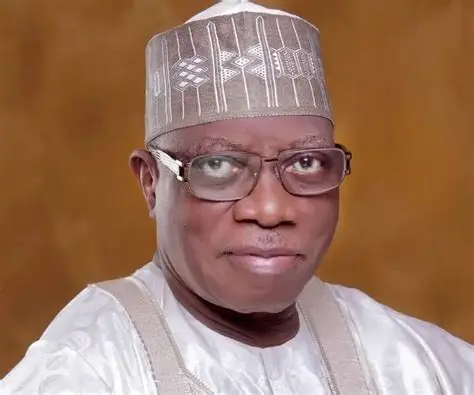
President Bola Tinubu mourns veteran journalist Yakubu Mohammed, praising his courage, legacy in Newswatch, and contributions to Nigerian journalism and nation-building

President Bola Tinubu has expressed profound sorrow over the death of veteran journalist Yakubu Mohammed, co-founder of Newswatch Magazine, describing his passing as a significant loss to Nigerian journalism and nation-building.
Also read: Atiku Abubakar Honours Fallen Soldiers on Armed Forces Day
In a condolence message released on Wednesday, Tinubu recalled that Mohammed devoted his life to “telling the truth to power,” often at great personal risk during Nigeria’s military era.
The President highlighted Mohammed’s role in founding Newswatch in 1984 alongside Dele Giwa, Dan Agbese, and Ray Ekpu, a partnership that redefined investigative reporting in the country.
“Yakubu Mohammed and his colleagues showed uncommon resolve by sustaining the visionary legacy of Newswatch after the tragic death of Dele Giwa,” Tinubu said.
“Their determination pushed the boundaries of investigative journalism in Nigeria and inspired generations of reporters.”
The President, who described Mohammed as a personal friend, commiserated with his family, the Kogi State government, and professional bodies including the Nigerian Union of Journalists, the Nigerian Guild of Editors, and the Commonwealth Journalists’ Association.
Tinubu also noted Mohammed’s recent memoir, Beyond Expectations, published in November 2025, describing the work as offering “an opportunity for deep reflection on leadership in Nigeria and the responsibility of the press.”
Beyond journalism, Mohammed contributed to academia, serving as Pro-Chancellor and Chancellor of Ahmadu Bello University.
He also held senior editorial positions at New Nigerian Newspapers and National Concord.
Also read: Atiku Abubakar Honours Fallen Soldiers on Armed Forces Day
The President prayed that Almighty God would grant the departed eternal rest and admit him into Jannatul Firdaus.



President Bola Ahmed Tinubu describes the death of The Eagle Online publisher as a painful loss to Nigeria’s media and democratic discourse

-
Politics2 years ago
13 Ondo Assembly Members Disown Endorsement of Aiyedatiwa
-
Politics2 years ago
APC Group, Ondo Govt, Quarrel Over Money for Endorsement
-

 Trending News5 years ago
Stop unsavoury, inciting statements – DSS warns
-

 Others5 years ago
Adron Homes Celebrates 10 Years Of Housing Excellence
-

 Humanity5 years ago
President Buhari Commiserates With Ambassador Maureen Tamuno Over The Loss Of Her Father
-

 Others7 years ago
EX- CUSTOMS BOSS, IBRAHIM MERA’S DWINDLING FAME
-

 Business2 years ago
Bigi Carbonated Soft Drinks Treats 40 Consumers to an Epic Easter Movie Hangout
-

 Business2 years ago
Wema Bank Shines at Global SME Finance Forum Conference Awards 2024 …Awarded: • SME Financier of the Year (Africa) • Platinum Award for Best Financier for Women Entrepreneurs (Africa)