
Politics
2023: If You Don’t Bid, You Can’t Win, Osinbajo Tells Youths

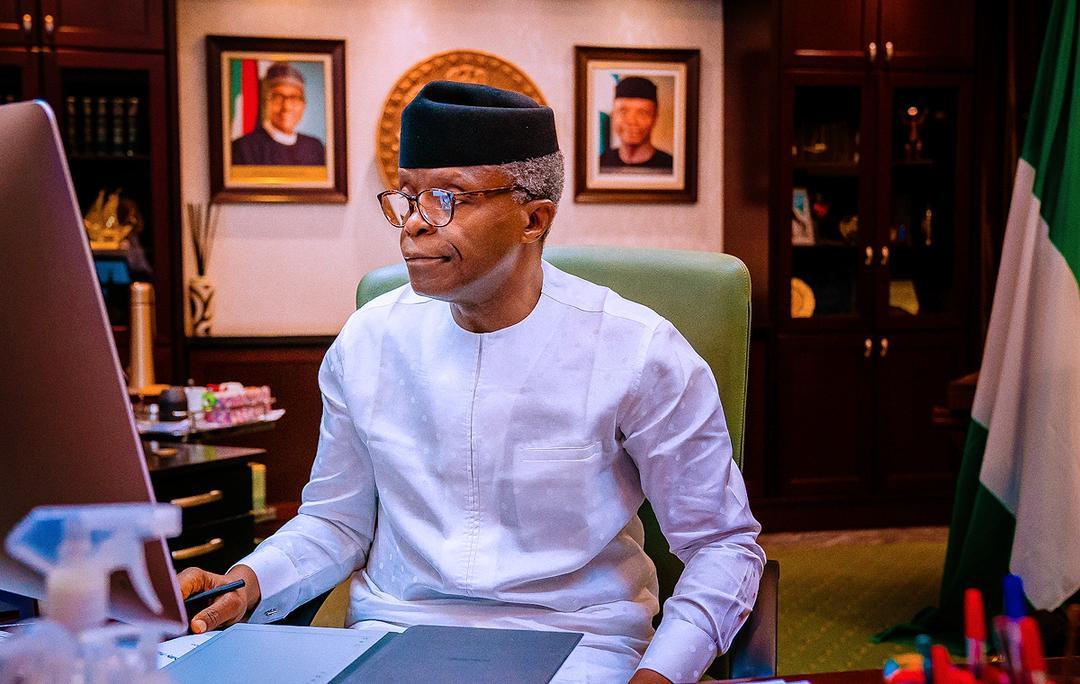
Vice-President Yemi Osinbajo says if young Nigerians fail to bid for elective offices at the 2023 general elections, they cannot win.

Osinbajo made the observation through President Muhammadu Buhari’s Senior Special Assistant on National Assembly Matters (Senate), Sen. Babajide Omoworare.
Omoworare represented Osinbajo at the opening of a two-day retreat for young legislators at the federal and state levels held on Monday in Lagos.
He said the government had been preparing and equipping the capacity of youths as future leaders.
2023: If You Don’t Bid, You Can’t Win, Osinbajo Tells Youths
According to him, President Buhari’s assent to the “Not-Too-Young-To-Run’’ Bill, was to ensure greater participation of youths in parliament and in government generally.
“In preparation for 2023 general elections, we must realise that greater participation of our youths should not be mere rhetoric.
“Power is never handed over on a platter. If you don’t bid, you can’t win. We must also register to vote.
“The whole essence is to ensure that youths get involved in the process of democracy and also in the parliamentary process,’’ Omoworare said.
He urged youths, who were ready to throw their hats into the ring in 2023, to join political parties or form new ones, adding that the essence of the “Not-Too -Young To Run’’ Bill would be defeated if the youth failed to run.
He said that the youth eligible voter population was still very low, stressing that their turnout on election days had always been abysmally low.
According to him, young persons in another clime volunteer to mobilize eligible voters for the registration process for political parties; they canvass for votes and they participate in political parties’ congresses and conventions.
Omoworare urged national, state, and local government parliamentarians to inculcate the culture of internship and mentorship for youth with a view to foster an enduring legislative practice.
He said that such would make democracy, leadership, governance, peacebuilding, and legislative strengthening a continuum.
Osinbajo said that participation of youths in democratic processes would inject fresh ideas, build public interest, ensure efficiency as well as engender good governance.
According to him, since youths are coming with fresh ideas, it will stimulate the economy, advance democracy and strengthen the legislative process.
“The involvement of young persons in the democratic and legislative processes will give us a better democracy and opportunity to make Nigeria a greater country,’’ he added.
Earlier in his address of welcome, Dr Vladimir Kreck, Resident Representative of Konrad-Adenauer-Stiftung, a German Foundation funded by the German government, said that its mandate was to promote democratic processes and good governance.
“Following our mandate, there was no hesitation to enter into a partnership with the Young Parliamentarians Forum of the National Assembly and the National Institute for Legislative and Democratic Studies (NILDS) to organise this seminar.
“Young people are the majority in Nigeria. There is no doubt that young people are and will remain a major political factor in Nigeria.
“It is not a secret that today, many young people are dissatisfied with the ruling elites in Nigeria,’’ Kreck said.
According to him, the youth, being the biggest social group of the people in Nigeria, is vastly under-represented in parliaments, government, and committees of political parties.
Kreck, who noted that youth had little or no voice in political decision-making, in Nigeria said that the 2023 elections should give young people a political voice.
The News Agency of Nigeria (NAN) reports that the retreat has in attendance young serving legislators from across the country.
The retreat was organized by the Konrad-Adenauer-Stiftung (KAS) in partnership with NILDS and the Young Parliamentarians Forum (YPF) of the National Assembly.
It has “Youth Alliance – Towards 2023 General Elections’’ as its theme.


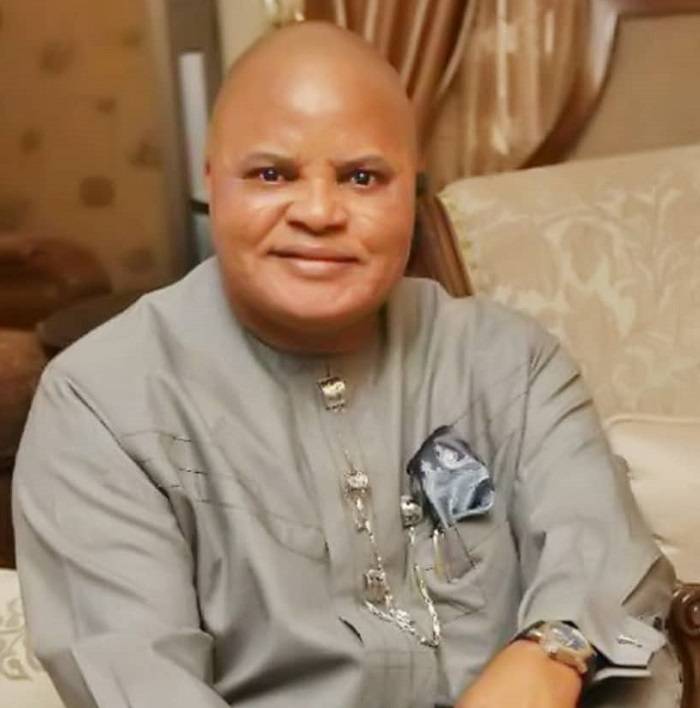
A group, the Imo First Group (IFG) has described the purported Magistrate court order to arrest Senator Ifeanyi Araraume and the former governor of Imo State, Rochas Okorocha, over alleged criminal conspiracy and forgery, as a ruse and fake news
The group stated this in a statement issued on Saturday in Abuja.
IFG challenged those peddling the fake news to make the court order public.
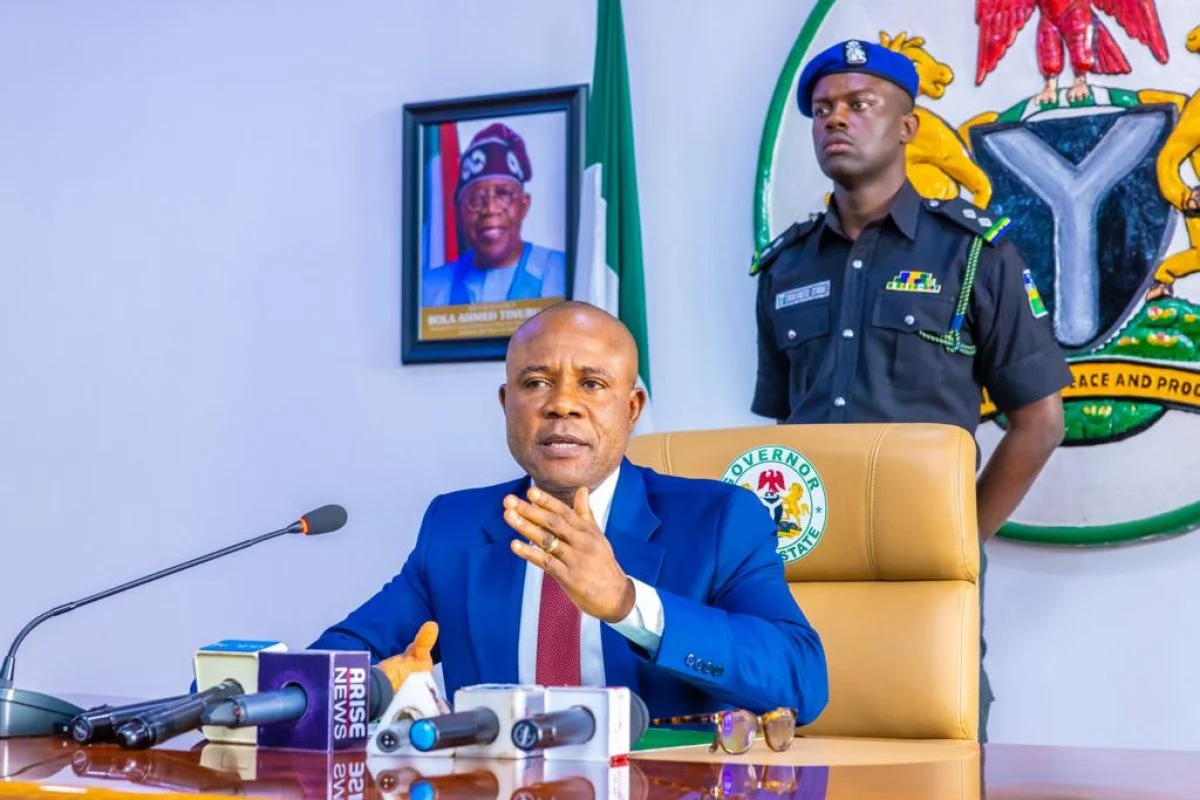
The statement reads ” The fabricated and concocted story was first posted on social media by Hon. Ambrose Nwaogwugwu, a media aide to Governor Hope Uzodimma, before it was picked up by other media outfits, including Arise TV.
According to the statement, those behind the report claimed that a Senior Magistrate Court sitting in Abuja issued a Bench Warrant dated September 9, 2026, following a petition written by the Resident Electoral Commissioner (REC) in Imo State, Barr. Chukwuemeka Ibejiako, to the Police and DSS on October 8, 2026, over alleged presentation of fake APC primary results.
The Group debunked the existence of any such order.
“We want to state categorically and unequivocally that no jSenior Magistrate ordered or issued any bench warrant for the arrest of Araraume”
IFG however challenged anyone in possession of the purported court order to publish it.
“If you claim to have a court order present same for the public to see,
“This fabricated bench warrant contain in the report is filled with inconsistencies, the bench warrant was dated September 9, 2026, while the REC’s petition that supposedly triggered it was dated October 8, 2026, with case number CR/M/084/2026.
The statement further stated that the purveyors and harbinger of the fake news tried to trick the magistrate via exparte order but was rebuked
“The magistrate bluntly refused to grant their exparte and threatened to arrest them, yet they carried their falsehood about. What’s the problem of occupants of office that never won free and fair elections and tried to destroy reputable Imo sons that have won elections. We challenge anyone in this macabre surugede dance to show the court order or warrant of arrest. It’s preposterous to blackmail decent Imo sons on the altar of dirty politics.”

News
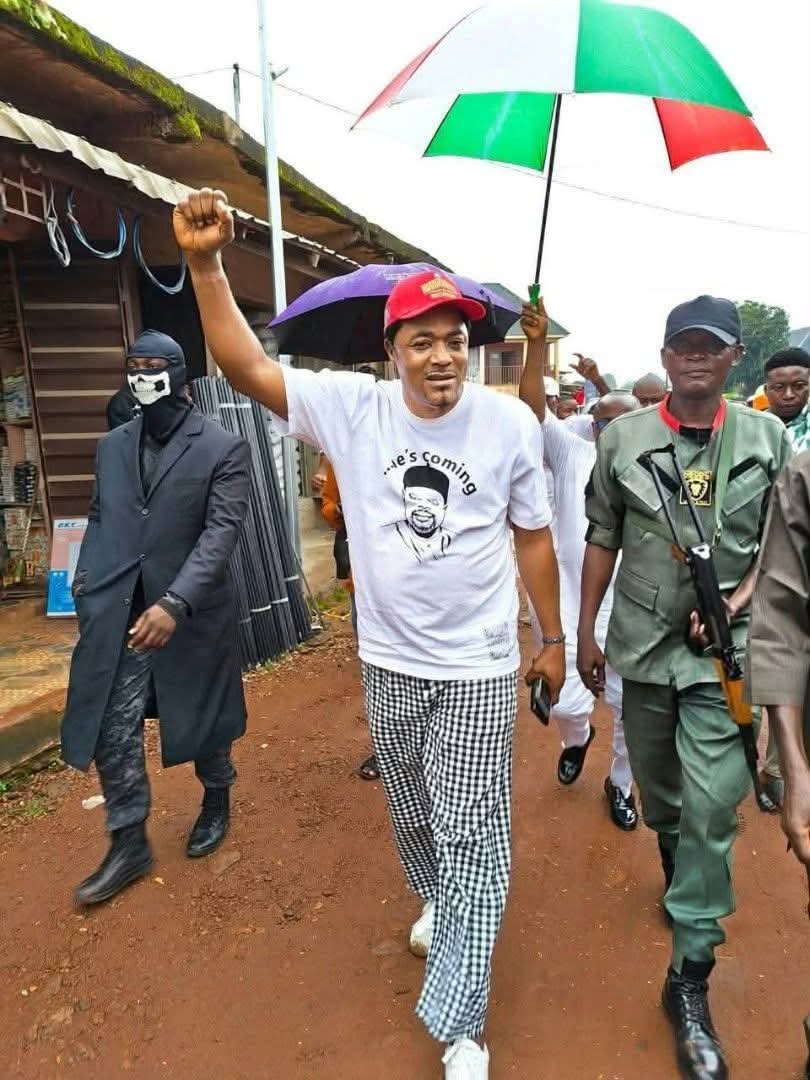
Panic-stricken Enugu APC begins flag-off of already flagged of roads in Nsukka after PDP’s Chijioke Ugwu’s homecoming

-
Politics3 years ago
13 Ondo Assembly Members Disown Endorsement of Aiyedatiwa
-
Politics3 years ago
APC Group, Ondo Govt, Quarrel Over Money for Endorsement
-

 Trending News5 years ago
Stop unsavoury, inciting statements – DSS warns
-

 Others5 years ago
Adron Homes Celebrates 10 Years Of Housing Excellence
-

 Humanity5 years ago
President Buhari Commiserates With Ambassador Maureen Tamuno Over The Loss Of Her Father
-

 Others7 years ago
EX- CUSTOMS BOSS, IBRAHIM MERA’S DWINDLING FAME
-

 Business2 years ago
Bigi Carbonated Soft Drinks Treats 40 Consumers to an Epic Easter Movie Hangout
-

 Business2 years ago
Wema Bank Shines at Global SME Finance Forum Conference Awards 2024 …Awarded: • SME Financier of the Year (Africa) • Platinum Award for Best Financier for Women Entrepreneurs (Africa)