
Politics
Sixty Years On, Nigeria Struggles with Military Legacy

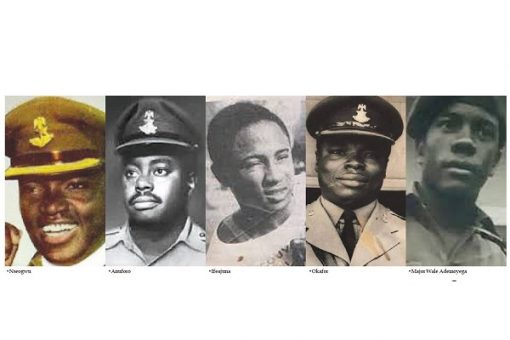
Nigeria military legacy haunts federalism, governance, and unity 60 years after the January 1966 coup and unification decree

Nigeria continues to grapple with the long-lasting consequences of the January 15, 1966 military coup, a pivotal event that ended the First Republic and established a pattern of centralised military rule, historians and political scientists say.
Also read: Olisa Agbakoba Demands Overhaul of Nigeria’s Healthcare Regulation
The coup, led by Major Kaduna Nzeogwu and five other young officers, toppled the civilian government of Prime Minister Abubakar Tafawa Balewa and killed key leaders, including Sir Ahmadu Bello, Chief Ladoke Akintola, and Brigadier Samuel Ademulegun.
Following the coup, Major General Thomas Aguiyi-Ironsi, the General Officer Commanding the Nigerian Armed Forces, assumed power and implemented the controversial Unification Decree No. 34, effectively abolishing the federation and creating a unitary state.
Ironsi’s centralisation of power dismantled regional autonomy, abolished regional civil services, and replaced elected officials with military governors, sparking resentment across the North and West.
Experts argue that Ironsi’s actions amplified ethnic tensions and established a precedent for military intervention that would persist for decades.
Political scientist Prof. Isawa Elaigwu observed that Ironsi’s lack of political acumen and delayed response to the constitutional review process worsened the country’s fragile unity.
Subsequent coups, civil war, and military regimes built on this centralised model, leaving states and local governments financially and administratively dependent on the federal centre.
The military legacy continues to shape Nigeria’s governance and identity.
Scholars, including Rotimi Suberu and Adigun Agbaje, note that the country’s devolutionary federalism has struggled to integrate diverse ethnic groups, resulting in unequal power distribution and frequent agitations for restructuring.
Persistent issues include local government autonomy, revenue allocation, and the centralised police force, all rooted in the military-era reforms.
While civilian governments have attempted reforms, the shadow of military unitarism remains.
Observers emphasise the need for transparent revenue distribution, clearer federal-state responsibilities, and reforms to federal character and governance structures to restore national cohesion and equitable development.
Sixty years after the coup, the national question remains unresolved.
Also read: Nigeria as Africa’s Minerals Hub
As Nigeria debates federal reform, the events of January 15, 1966, and Ironsi’s subsequent policies serve as a stark reminder of how military intervention can disrupt democratic foundations and hinder nation-building.


-
Politics3 years ago
13 Ondo Assembly Members Disown Endorsement of Aiyedatiwa
-
Politics2 years ago
APC Group, Ondo Govt, Quarrel Over Money for Endorsement
-

 Trending News5 years ago
Stop unsavoury, inciting statements – DSS warns
-

 Others5 years ago
Adron Homes Celebrates 10 Years Of Housing Excellence
-

 Humanity5 years ago
President Buhari Commiserates With Ambassador Maureen Tamuno Over The Loss Of Her Father
-

 Others7 years ago
EX- CUSTOMS BOSS, IBRAHIM MERA’S DWINDLING FAME
-

 Business2 years ago
Bigi Carbonated Soft Drinks Treats 40 Consumers to an Epic Easter Movie Hangout
-

 Business2 years ago
Wema Bank Shines at Global SME Finance Forum Conference Awards 2024 …Awarded: • SME Financier of the Year (Africa) • Platinum Award for Best Financier for Women Entrepreneurs (Africa)