
News
AMCON Cash Recoveries Rise 28% to N66.12 Billion


AMCON reports N66.12 billion cash recoveries in H1 2025, a 28% increase, reducing liabilities and boosting cumulative recoveries to N2.43 trillion

The Asset Management Corporation of Nigeria (AMCON) has recorded a 27.87 per cent increase in cash recoveries to N66.12 billion in the first half of 2025, up from N51.71 billion at end-December 2024.
Also read: Folawiyo seeks injunction against AMCON’s ex parte order, dissociates from defaulting company
The development was disclosed in the Central Bank of Nigeria’s Financial Stability Report for H1 2025.
According to the report, stronger recoveries contributed to a reduction in AMCON’s liabilities, even as cumulative recoveries reached N2.43 trillion, reflecting ongoing efforts to strengthen the Corporation’s balance sheet.
Total recoveries rose 4.42 per cent to N2,426.35 billion from N2,323.68 billion in the previous period.
These comprised cash inflows of N984.52 billion, other collections of N1,291.95 billion, and asset forfeitures valued at N149.90 billion.
The “other collections” component included proceeds from property and share sales, rental and dividend income, sales of bridge banks, and reinvestment returns, highlighting AMCON’s diversified recovery channels beyond direct cash inflows.
Investment income from treasury operations also improved, rising 2.08 per cent to N15.22 billion from N14.91 billion in the preceding half-year, bolstering the Corporation’s revenue base.
On the liability side, AMCON’s carrying value of obligations fell by 7.84 per cent to N5,241.54 billion from N5,687.36 billion at end-December 2024, signalling enhanced debt management and settlements.
However, total assets, net of impairments, decreased by 30.97 per cent to N1,267.66 billion from N1,836.33 billion in H2 2024, reflecting ongoing asset disposals and recoveries.
Also read: AMCON MANAGING DIRECTOR, AHMED KURU, IN TROUBLE OVER CONTEMPT OF COURT
Collections into the Banking Sector Resolution Cost Fund (BSRCF) amounted to N577.84 billion during the period, which were utilised to meet obligations on issued securities.



South Africa repatriates 586 Nigerians found residing illegally, with deportees barred from re-entering the country for five years
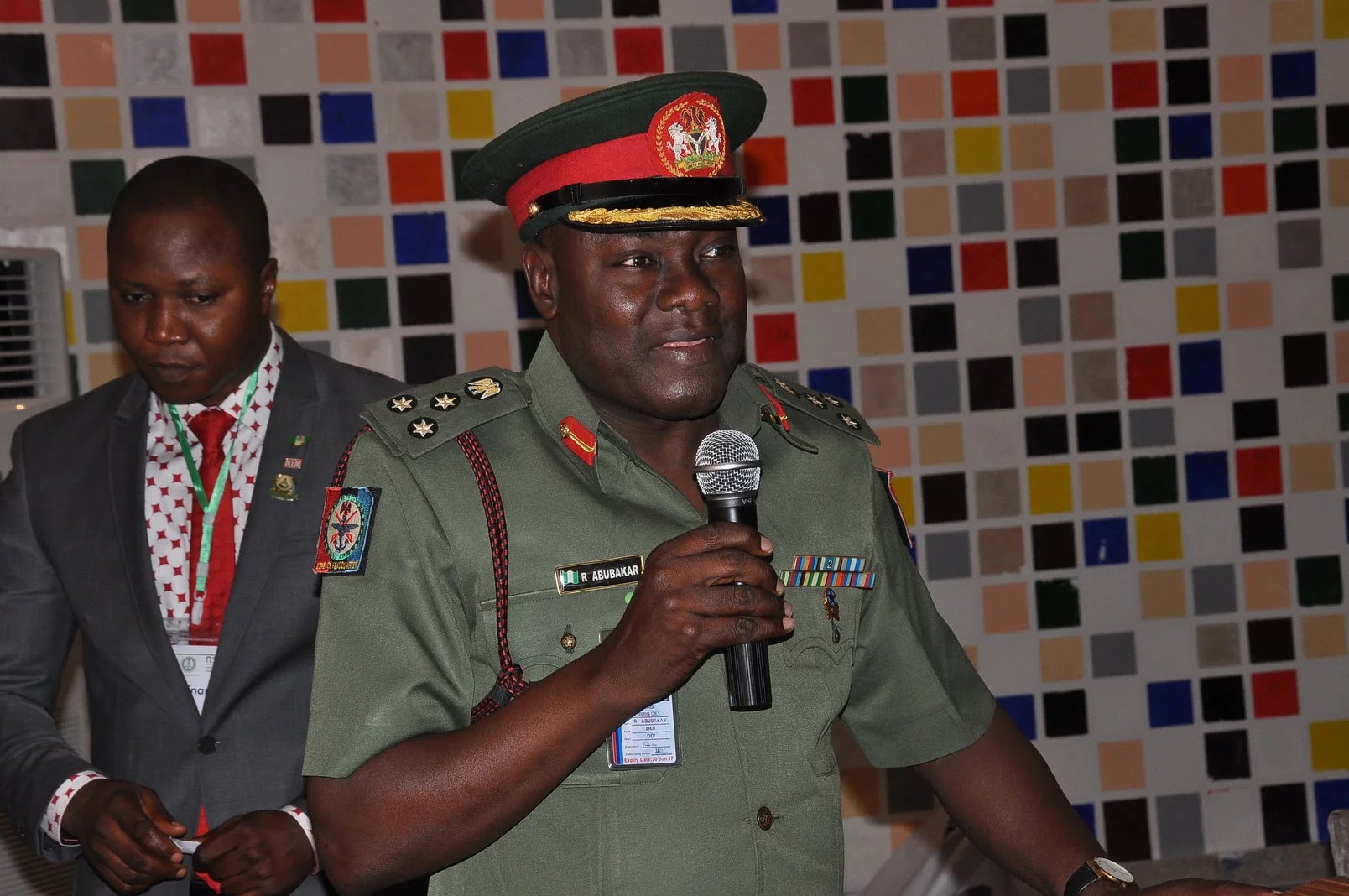
Katsina confirms tragic death of retired General Rabe Abubakar in bandit captivity, vows stronger action against insecurity

Nigeria migration crisis sparks urgent warning over rising emigration, unrest abroad, and calls for stronger governance and accountability
-
Politics2 years ago
13 Ondo Assembly Members Disown Endorsement of Aiyedatiwa
-
Politics2 years ago
APC Group, Ondo Govt, Quarrel Over Money for Endorsement
-

 Trending News5 years ago
Stop unsavoury, inciting statements – DSS warns
-

 Others4 years ago
Adron Homes Celebrates 10 Years Of Housing Excellence
-

 Humanity4 years ago
President Buhari Commiserates With Ambassador Maureen Tamuno Over The Loss Of Her Father
-

 Others7 years ago
EX- CUSTOMS BOSS, IBRAHIM MERA’S DWINDLING FAME
-

 Business2 years ago
Bigi Carbonated Soft Drinks Treats 40 Consumers to an Epic Easter Movie Hangout
-

 Business2 years ago
Wema Bank Shines at Global SME Finance Forum Conference Awards 2024 …Awarded: • SME Financier of the Year (Africa) • Platinum Award for Best Financier for Women Entrepreneurs (Africa)