Connect with us

Oil and Gas

Oil Prices Surge Above $119 as Iran-Israel Tensions Hit Nigeria

Published

on

Oil Prices

Oil prices surge above $119 per barrel as Iran-Israel tensions push Nigeria’s petrol depot and retail prices higher, worsening economic pressure

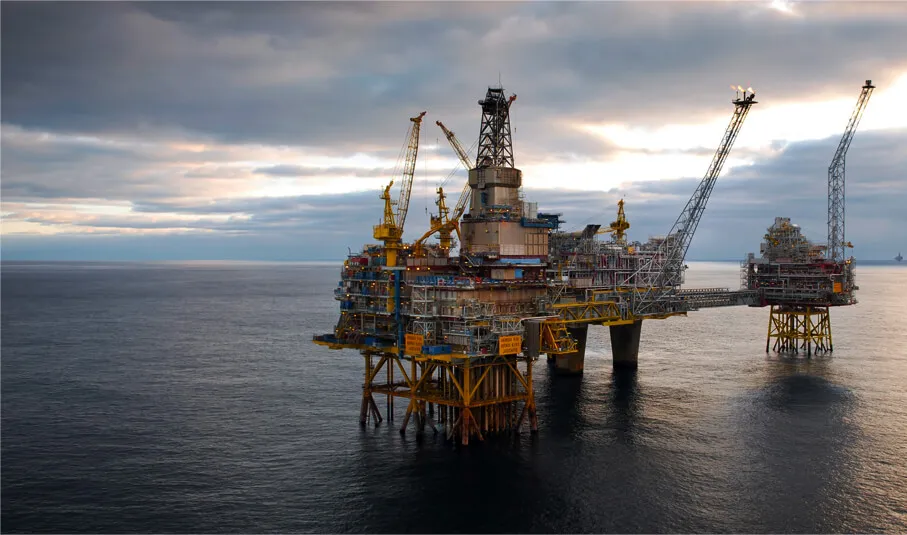
Global oil prices surged above $119 per barrel on Thursday, driven by escalating tensions between Iran and Israel, raising fears of supply disruptions.

Also read: Akpabio, Oyebamiji, Basiru Extend Eid-el-Fitr Greetings

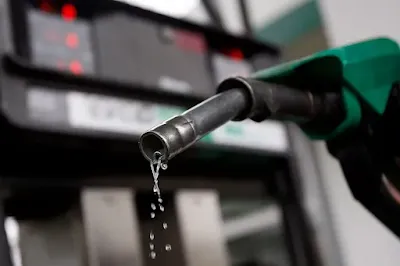
The spike has pushed petrol depot prices in Nigeria higher, with retail pump prices increasing across major marketers, intensifying economic pressure on consumers.

The conflict in the Middle East has unsettled global energy markets, following retaliatory strikes by Iran targeting key energy facilities after Israel attacked the South Pars gas field.

Analysts warn that regional instability could severely disrupt the flow of oil and gas worldwide.

In Nigeria, the depot price of Premium Motor Spirit (petrol) has risen to about N1,200 per litre, up from N1,175, according to Petroleumprice.ng.

Major depots, including Parker and Zamson, adjusted their rates to reflect the global spike, while retail outlets such as MRS, Mobil, AP, and NNPC are selling petrol between N1,225 and N1,235 per litre in Lagos.

Economists warn that the rise in fuel costs is already rippling through the economy, driving up transport fares and increasing the cost of goods.

Many Nigerians are urging the federal government to implement targeted measures to ease the burden on households facing persistent inflation and shrinking purchasing power.

Meanwhile, disruptions at critical energy infrastructure in Qatar, including Shell’s Pearl gas-to-liquids plant and the Ras Laffan hub, as well as strikes in Saudi Arabia and Kuwait, have heightened concerns over global LNG supply.

Strait of Hormuz tanker traffic remains strained, and analysts predict continued volatility in oil markets in the near term.

Also read: Noah Atubolu Draws Premier League Interest from Chelsea and Spurs

Despite efforts to strengthen local refining capacity through initiatives such as the Dangote Petroleum Refinery, Nigeria remains highly exposed to global oil price movements, with domestic fuel pricing closely tied to international benchmarks, exchange rates, and distribution costs.

70 / 100 SEO Score

Banking

Energy Experts Reject World Bank Fuel Import Plan

Published

on

Energy

Energy experts reject World Bank fuel import plan, warning it could weaken Nigeria’s refining drive and energy security goals

(more…)

70 / 100 SEO Score
Continue Reading

Oil and Gas

Oando plans $750 million drilling campaign, expects funding boost from Iran turmoil

Published

on

By

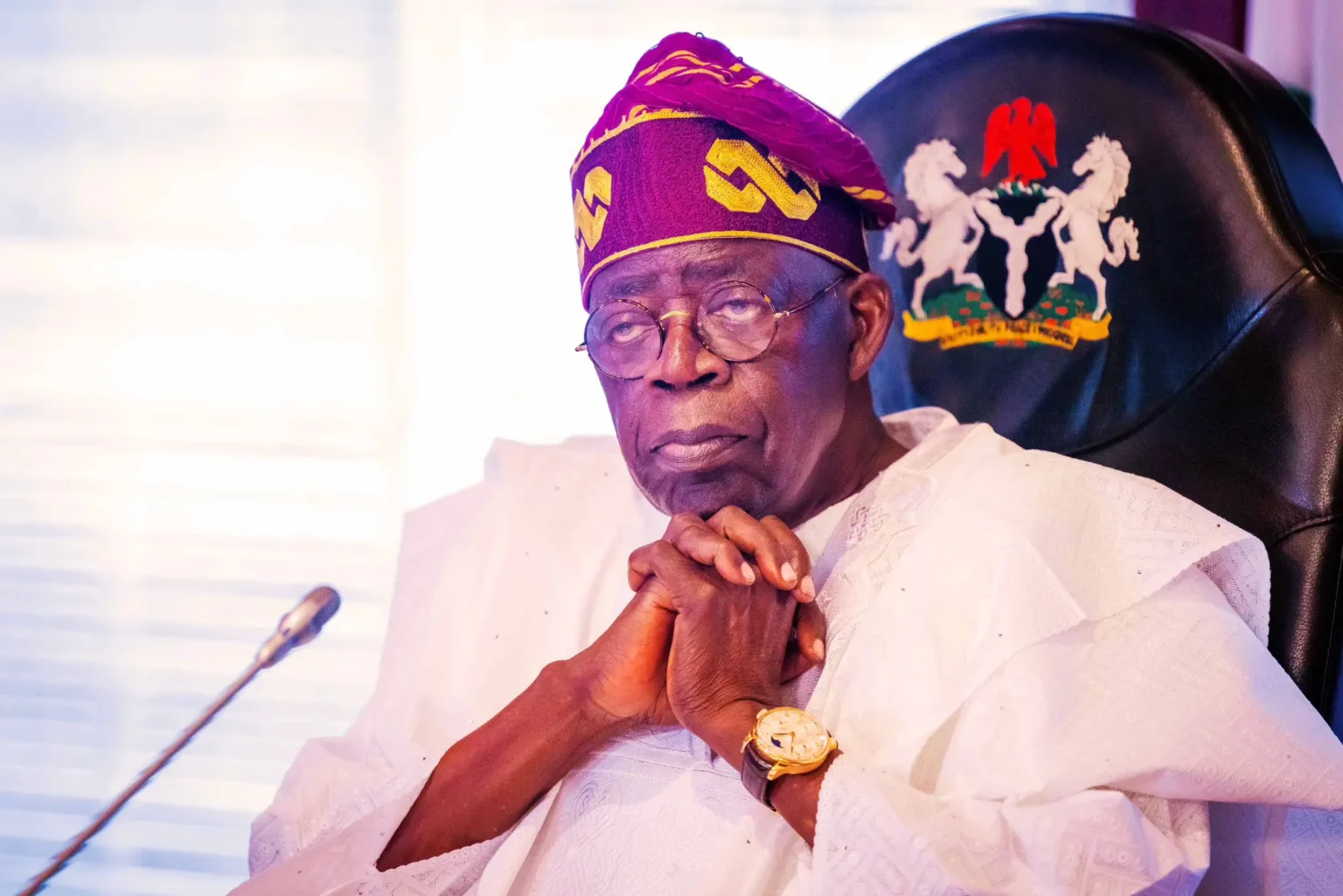
Nigeria’s leading energy firm Oando plans to raise up to $750 million this year for a drilling campaign that could boost ​output by 300%, tapping improved investor appetite for West African producers amid turmoil linked to the Iran war, the Group Chief Executive of the oil firm,  Jubril Adewale ‌Tinubu, CON,  told Reuters recently in an interview.

The oil and gas company is among a handful of local companies that have snapped up assets from oil majors in the past decade as they exit Nigerian onshore. This year, surging energy prices should open more funding sources for producers in the region, Tinubu said.

We are pushing very, very hard towards getting the financing ​that we need to do an extensive drilling campaign,” Tinubu told Reuters.

Nigeria is Africa’s biggest oil producer with crude and condensate output of ​around 1.6 million barrels a day.

Oando, whose production averaged just over 32,000 barrels of oil equivalent per day in ⁠fiscal 2025, aims to drill as many as 100 wells to boost output, particularly from assets purchased from Western majors ConocoPhillips and Eni.

While in ​the past the company had struggled with securing cash for drilling due to investor worries that Africa was an “unsafe environment”, the Iran war and Russia’s invasion of Ukraine ​in 2022 have shifted that view, Tinubu said.

“Africa is very, very peaceful compared to these regions,” he said.

Already, Tinubu said there was a shift in demand for Nigeria’s crude, with more cargoes sailing to Asia to replace Gulf oil trapped due to the closure of the Strait of Hormuz.

FUNDING SQUEEZE FROM EUROPE

Oando has raised $3 billion-$4 billion in the ​past decade, much of it from European banks, the GCE said, the bulk of which went toward acquisitions.

European banks had now almost completely withdrawn ​from African hydrocarbons due to climate concerns, he said, pushing Oando to funders including the African Export-Import Bank and the African Finance Corporation, and to oil trading houses ‌including Vitol, ⁠Trafigura, Glencore and Mercuria.

However, Africa needed more “substantial long-term funding”, he added.

More Gulf banks were interested in hydrocarbon projects in Africa and more parties were joining their syndications, while private equity funds and hedge funds were also more active in funding African energy, he said.

Oando recently expanded into Angola, and Tinubu said they are exploring opportunities in Ghana and Ivory Coast. Africa should pool capital available at home, via pension funds and other sources, to fund ​large-scale capital projects, he added.

Geopolitical turmoil ​will have “long-reaching strategic implications for global ⁠energy security”, he said, and keep focus on West Africa’s reserves.

“Even if the ceasefire lasts, which, hopefully it will, it wouldn’t change the fact that consistently, you’re going to find disruptions,” he said.

GASOLINE EXPORTS, BUSINESS OPPORTUNITIES

Nigeria, Tinubu ​said, is well placed to draw funding after a landmark 2021 overhaul of its hydrocarbon law and reforms ​by current President ⁠Bola Tinubu, his uncle, to currency and costly petrol subsidies.

The new 650,000 barrel-per-day Dangote Oil Refinery  on the outskirts of Lagos, Tinubu said, highlighted the value of Nigeria’s resources.

Tinubu, whose company was once among the nation’s largest fuel importers, said imports were now only needed to test for pricing or during refinery maintenance.

Longer term, ⁠Tinubu hopes ​to exploit some of Oando’s own gas production for petrochemicals and fertilizers to further boost ​the value added to Nigerian resources.

The company was working to “streamline” financials to avoid further delays in filing audited statements with the Nigerian Exchange after deadline extension in recent years.

In August, Oando’s board ​signed off on a proposal to launch a multi-instrument issuance programme of up to $1.5 billion.

-Culled from Reuters.

50 / 100 SEO Score
Continue Reading

Oil and Gas

Nigeria Cooking Gas Price Higher Than Saudi Arabia, Russia

Published

on

Gas

Nigeria’s cooking gas price is higher than several countries including Saudi Arabia and Russia, raising concerns over energy affordability

(more…)

73 / 100 SEO Score
Continue Reading

Trending News