
News
Eid-el-Fitr: Zamfara State Governor Dauda Lawal Calls for Sustained Prayers, Peace and Unity

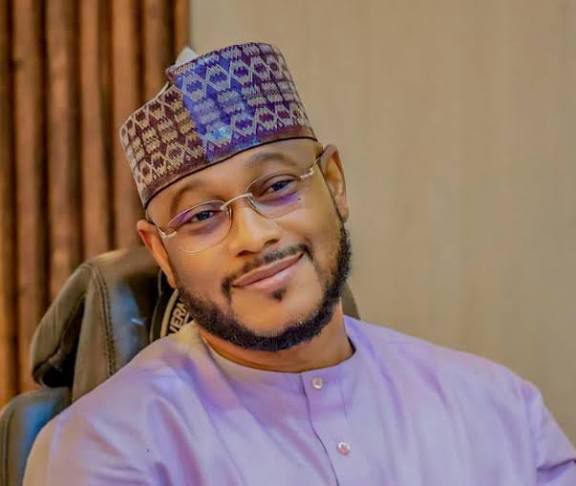
As Muslims across Nigeria mark the end of the holy month of Ramadan, Zamfara State Governor, Dr Dauda Lawal, has issued a powerful call for intensified prayers, unity, and collective responsibility, urging the faithful to translate the spiritual gains of the 30-day fast into tangible actions for peace and development.

In his official Eid-el-Fitr message to the Muslim community in Zamfara and across the nation, Governor Lawal emphasized that the celebration known as the “festival of breaking the fast” extends beyond festivity. He described it as a profound moment of gratitude, spiritual renewal, and recommitment to the values of patience, self-discipline, and empathy cultivated during Ramadan.
“Eid-el-Fitr is a joyous occasion, but it also represents a moment for deep reflection,” the Governor stated. “It is a time to intensify our prayers for peace in our beloved state and throughout the nation. The 30-day fast we observed was designed to instil patience, self-discipline, empathy, spiritual mindfulness, and a deeper connection with God. We must carry these virtues forward.”
The Governor’s appeal carries particular weight given Zamfara State’s prolonged battle with insecurity, including banditry and kidnapping, which have posed significant challenges to lives and livelihoods. Lawal reiterated that while prayers are essential, they must be accompanied by collective action from all citizens.
“To improve Zamfara and Nigeria for everyone, we must unite,” he said. “We have a collective responsibility to be our brothers’ keepers and work towards a better future for our state and nation. No meaningful progress can be achieved in an atmosphere of division or indifference.”
Lawal congratulated the Muslim faithful on the successful completion of the 30-day fast, acknowledging the spiritual discipline demonstrated throughout the holy month. He prayed that the blessings of Ramadan would continue to manifest in the lives of individuals and the wider community.
As Zamfara residents join their counterparts across the country to celebrate Eid, the Governor concluded his message with prayers for a peaceful and harmonious celebration, expressing hope for enduring good health, sustained peace, and a thriving economy in the years ahead.
The Eid-el-Fitr celebration marks the end of Ramadan, a period considered sacred in the Islamic calendar, during which Muslims engage in fasting, prayer, and acts of charity. It is traditionally observed with communal prayers, family gatherings, and almsgiving, reinforcing bonds of kinship and community solidarity.


News
Governor Dauda Lawal Urges Nigerians in Diaspora to Return Home and Invest amid stability in Economy



-
Politics2 years ago
13 Ondo Assembly Members Disown Endorsement of Aiyedatiwa
-
Politics2 years ago
APC Group, Ondo Govt, Quarrel Over Money for Endorsement
-

 Trending News5 years ago
Stop unsavoury, inciting statements – DSS warns
-

 Others5 years ago
Adron Homes Celebrates 10 Years Of Housing Excellence
-

 Humanity5 years ago
President Buhari Commiserates With Ambassador Maureen Tamuno Over The Loss Of Her Father
-

 Others7 years ago
EX- CUSTOMS BOSS, IBRAHIM MERA’S DWINDLING FAME
-

 Business2 years ago
Bigi Carbonated Soft Drinks Treats 40 Consumers to an Epic Easter Movie Hangout
-

 Business2 years ago
Wema Bank Shines at Global SME Finance Forum Conference Awards 2024 …Awarded: • SME Financier of the Year (Africa) • Platinum Award for Best Financier for Women Entrepreneurs (Africa)