
News
Fuel Price Hikes Trigger Protests in Central African Republic

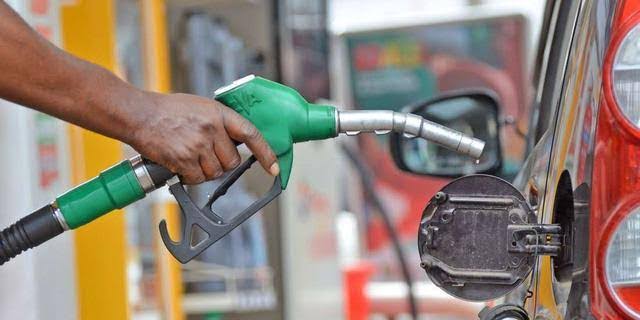
Fuel price increases spark protests in the Central African Republic as residents demand relief from rising living costs and the release of detained activists
Hundreds of residents took to the streets of Bangui, the capital of the Central African Republic, on Friday, November 13, 2026, to protest rising fuel prices and the continued detention of five civil society activists arrested after an earlier demonstration.
Also read:OECD Reports Second Year of Falling Migration

The protesters, drawn from different sections of society, including motorcycle taxi drivers, traders, residents and members of opposition groups, marched against the rising cost of living following the government’s decision to increase fuel prices in October.
They carried placards bearing messages such as “A hungry belly has no ears” and “We are all equal in the face of the high cost of living”, according to AFP journalists who covered the demonstration.
The fuel price increase has pushed up transportation and food costs in a country already struggling with shortages linked to security and logistical challenges.
Under the new pricing arrangement, introduced on October 1, petrol for individual consumers rose from 1,050 to 1,150 CFA francs per litre, while diesel increased from 1,250 to 1,400 CFA francs.
The impact has been particularly difficult for transport operators and low-income households who depend on daily earnings to meet basic expenses.
“Transportation is costing me almost more than my house,” a 31-year-old demonstrator identified only as Stephane told AFP.
He described the march as a warning to the government, adding that more people could take to the streets if their concerns were ignored.
The demonstration was organised by the Republican Bloc for the Defence of the Constitution (BRDC), an opposition coalition that has also demanded the release of five civil society organisers detained after a shutdown protest in Bangui on October 12.
The earlier demonstration was organised to protest economic hardship and government policies. Its organisers were subsequently arrested and remained in detention, prompting renewed criticism from opposition groups.
During Friday’s march, protesters chanted “Resistant Central Africans” and sang, “Gas is expensive, everything is expensive, free our leaders.”
Some motorcycle taxi drivers pushed their vehicles along the route to demonstrate the difficulties they face because of rising fuel prices and supply shortages.
The government had initially described the planned demonstration as illegal, but the march eventually went ahead. Armoured vehicles belonging to the United Nations peacekeeping mission in the country, alongside police personnel, escorted the protesters.
A 38-year-old trader, Joachim Lessoua, expressed concern about the wider economic consequences of the price increases.
“The rising prices of basic necessities are starting to suffocate us. Where will this situation lead us?” he asked.
BRDC spokesman Martin Ziguele also criticised the government over the pressure on household incomes, saying fuel prices had increased three times in a year while the monthly minimum wage of 35,000 CFA francs, approximately $59, had remained unchanged for more than 30 years.
President Faustin-Archange Touadera has defended the government’s decision, saying rising prices on international oil markets have made it increasingly difficult for the state to continue subsidising petroleum products.
The protest highlights growing frustration over the cost of living in the landlocked Central African Republic, which relies heavily on imported fuel and faces persistent supply and transportation challenges.
Also read:OECD Reports Second Year of Falling Migration
Following the demonstration, the BRDC reportedly gave the government 14 days to address its demands, including reducing fuel prices, releasing detained activists and respecting civil liberties.



The US introduces a green card registration route for eligible children born to certain foreign government employees, subject to legal restrictions

INEC receives nearly all non-sensitive materials for the 2027 elections in Plateau State and urges voters to collect their unclaimed PVCs
A tiger kills a 19-year-old farm worker during a TikTok shoot in Lahore, Pakistan, prompting police to arrest a social media influencer and farm owner
-
Politics3 years ago
13 Ondo Assembly Members Disown Endorsement of Aiyedatiwa
-
Politics3 years ago
APC Group, Ondo Govt, Quarrel Over Money for Endorsement
-

 Trending News6 years ago
Stop unsavoury, inciting statements – DSS warns
-

 Others5 years ago
Adron Homes Celebrates 10 Years Of Housing Excellence
-

 Humanity5 years ago
President Buhari Commiserates With Ambassador Maureen Tamuno Over The Loss Of Her Father
-

 Others7 years ago
EX- CUSTOMS BOSS, IBRAHIM MERA’S DWINDLING FAME
-

 Business3 years ago
Bigi Carbonated Soft Drinks Treats 40 Consumers to an Epic Easter Movie Hangout
-

 Business2 years ago
Wema Bank Shines at Global SME Finance Forum Conference Awards 2024 …Awarded: • SME Financier of the Year (Africa) • Platinum Award for Best Financier for Women Entrepreneurs (Africa)