
News
APC Chieftain Urges Tinubu to Pick Wike as Campaign DG


APC chieftain urges Tinubu to appoint Wike as campaign DG for 2027, praising FCT minister’s political strength and mobilisation capacity

A chieftain of the All Progressives Congress (APC) in Rivers State, Princewill Dike, on Monday, 23 March 2026, called on President Bola Tinubu to appoint Minister of the Federal Capital Territory, Nyesom Wike, as Director-General of his 2027 Presidential Campaign Council in what is being described as the Wike campaign DG Tinubu proposal.
Also read: Lagos APC Re-Elects Pastor Cornelius Ojelabi as State Chairman
Dike, a Port Harcourt-based legal practitioner, made the call while speaking with journalists, insisting that Wike possesses the political strength and nationwide influence required to coordinate a successful re-election campaign for the President.
According to him, Wike’s political record and organisational capacity make him uniquely positioned to manage campaign strategy, mobilisation and funding structures effectively.
The Wike campaign DG Tinubu suggestion has sparked attention within political circles, particularly given Wike’s prominent role in recent electoral dynamics and his cross-party political engagements.
Dike argued that the FCT Minister has consistently demonstrated strong political instincts, claiming that he understands electoral strategy and knows how to build winning coalitions across different regions of the country.
He further stated that Wike’s influence across political structures could help consolidate support for the President ahead of the 2027 general elections.
The APC chieftain also referenced Wike’s past electoral involvement in Rivers State and the Federal Capital Territory, describing him as a decisive political figure with a track record of delivering electoral outcomes.
He added that Wike’s leadership style, according to his assessment, reflects strong commitment and strategic discipline, qualities he believes are essential for a campaign director-general.
The call has added fresh momentum to ongoing political discussions around the composition of the President’s anticipated re-election campaign structure.
Also read: Zamfara Governor Dauda Lawal Defects to APC Amid PDP Crisis
While there has been no official response from the Presidency, the Wike campaign DG Tinubu proposal continues to generate debate within political and party circles.


Danielle Adewusi is crowned Miss Universe Nigeria 2026 after defeating 19 delegates in Lagos, earning the chance to represent Nigeria in Mexico (more…)
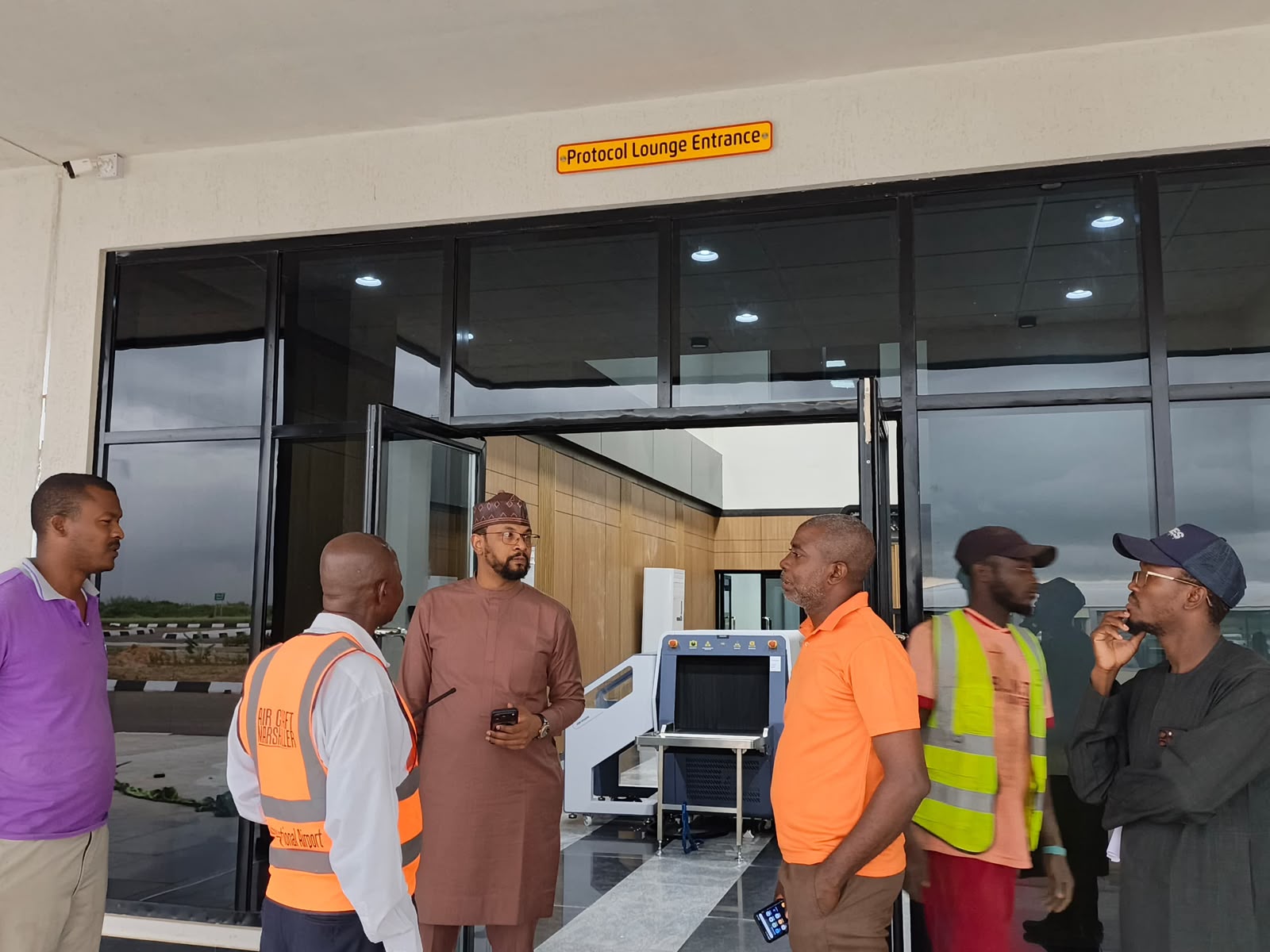
Gusau International Airport internet deployment begins ahead of October 1 commercial operations, with free connectivity planned for passengers and staff
-
Politics3 years ago
13 Ondo Assembly Members Disown Endorsement of Aiyedatiwa
-
Politics3 years ago
APC Group, Ondo Govt, Quarrel Over Money for Endorsement
-

 Trending News5 years ago
Stop unsavoury, inciting statements – DSS warns
-

 Others5 years ago
Adron Homes Celebrates 10 Years Of Housing Excellence
-

 Humanity5 years ago
President Buhari Commiserates With Ambassador Maureen Tamuno Over The Loss Of Her Father
-

 Others7 years ago
EX- CUSTOMS BOSS, IBRAHIM MERA’S DWINDLING FAME
-

 Business2 years ago
Bigi Carbonated Soft Drinks Treats 40 Consumers to an Epic Easter Movie Hangout
-

 Business2 years ago
Wema Bank Shines at Global SME Finance Forum Conference Awards 2024 …Awarded: • SME Financier of the Year (Africa) • Platinum Award for Best Financier for Women Entrepreneurs (Africa)