
Event
Abuja’s investment agenda shines at global London event
Abuja investment summit London attracts global investors as officials unveil business-ready projects and call diaspora to seize new opportunities.


Abuja investment summit London attracts global investors as officials unveil business-ready projects and call diaspora to seize new opportunities

Abuja investment summit London marked a turning point for Nigeria’s Federal Capital Territory as top officials and business leaders unveiled the city’s vast investment potential.
Also read: Aiyedatiwa Frustrates Abuja Peace Accord- Group
Held in the heart of the UK capital, the inaugural event drew attention from global investors, the Nigerian diaspora, and major stakeholders seeking new growth frontiers.
Representing FCT Minister Barrister Nyesom Wike, Ambassador Maureen Tamuno, who leads Abuja Investments Company Limited (AICL), declared Abuja ready for serious investment.
“Abuja is open for business, and now is the time to engage,” she announced to a packed ballroom at the Clermont Hotel, Charing Cross.
Her remarks set the tone for a summit that left many guests astonished by the scale and structure of the AICL investment agenda.
With the theme Investment Opportunities in Africa’s Gateway Nigeria, the summit positioned Abuja not only as the nation’s administrative centre but as a rising economic hub. Ambassador Tamuno praised Minister Wike’s commitment to transforming the city into a global destination.
Under the Renewed Hope Agenda of President Tinubu, seventeen infrastructure projects are set for commissioning, including the newly revamped Bola Ahmed Tinubu International Conference Centre, described by guests as a world-class facility.
Julian Swan of Future Solar Tech summed up the curiosity the event generated when he asked, “How do we get involved in the Abuja Tech Village Free Zone?” Many were drawn by promises of tax incentives, duty-free imports, and transparent governance.
One London-based investor who stumbled into the event admitted it changed his entire outlook on investing in Nigeria.
He praised the summit for its clarity, professionalism, and warm reception, noting he would begin active discussions with AICL immediately.
In his opening speech, Dr Abiodun Akanbi, AICL’s Chief Investment Officer, reiterated that Abuja offers prospects in key sectors including real estate, agribusiness, tourism, infrastructure, and the creative economy. “Abuja is where capital meets purpose,” he declared confidently.
The summit attracted heavyweight backers. David Smith, Chairman of the British African Business Alliance, shared plans to inject around three and a half billion dollars into Abuja through a portfolio of fifteen projects.
“I look forward to meeting delegates here and kicking off what we believe is a long-term partnership,” he said.
Goodwill messages from other dignitaries reinforced the enthusiasm. Hon. Abike Dabiri-Erewa of NiDCOM encouraged Nigerians abroad to invest back home, calling diaspora capital essential to national growth.
Ambassador Mercy Haruna Adeoye, speaking for Nigeria’s Acting High Commissioner, underlined the country’s readiness for partnerships built on innovation and sustainability.
Tech leaders also joined the call. Ciaran McSharry and Takwana Tyanini, co-founders of the Jamboo App digital bank, expressed excitement about investment opportunities in Nigeria. “This is the first time I’ve seen an event like this in the UK,” Tyanini noted.
Panel discussions explored themes such as infrastructure finance, public-private partnerships, and strategies for harnessing the creative sector.
Peter Alettor of Apel declared the time ripe to invest in Nigeria. “President Tinubu is removing all the roadblocks. Now is the best time to come and make money,” he said.
Investors left the summit eager to partner with AICL, many of them learning of the company for the first time. The firm’s structured approach, transparent operations, and investor-ready posture made a strong impression, with numerous guests seeking follow-up engagements.
Participants hailed the FCT Minister and the current administration for delivering a compelling, well-timed message to the global business community.
With Abuja firmly placed on the investment map, the summit has set a new benchmark for economic diplomacy.
Prominent attendees included Yemisi Suswan of All Purpose Shelter, Toyin Sanni of Emerging Africa, actor Mofe Duncan, artist Bruce Oshak, and Ben TV CEO Ambassador Alistair Soyode.
Also read: Tinubu Backs INEC With New Abuja Complex To Boost Electoral Integrity
Also present were Abdulrahman Aliyu of Zavati, Tayo Bilewu, and Prof. Chris Imafidon of the Excellence in Education Programme.



Wema Bank unveils 21 Hackaholics 7.0 finalists ahead of the November 6 grand finale in Lagos, following a nationwide innovation contest
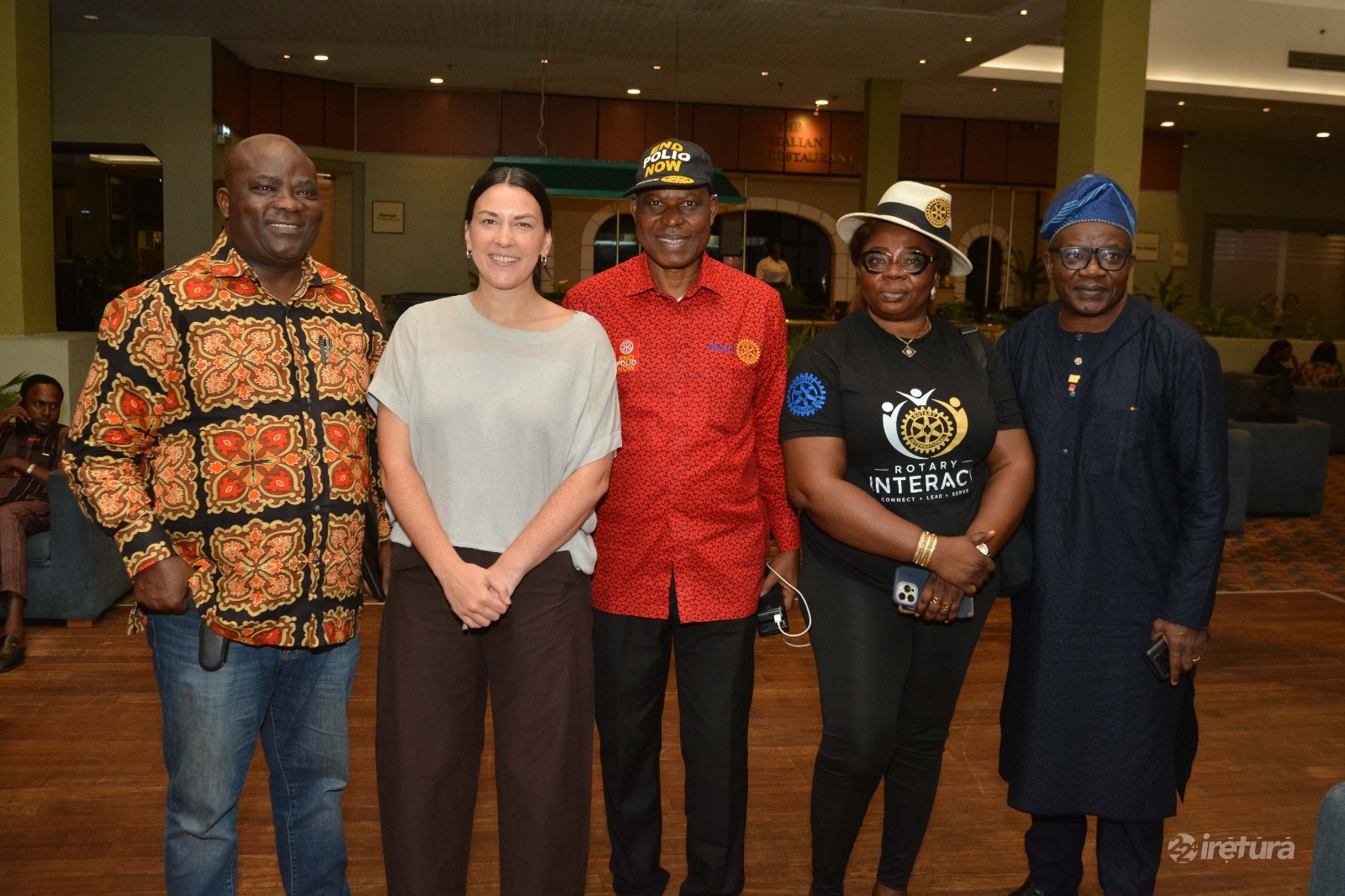
Lea Perekrests arrives in Lagos ahead of the Rotary Peace Summit, urging inclusive governance and community action to build lasting peace

Mrs. Bola Tinubu has underscored the need for stronger corporate governance anchored on board accountability, ethical leadership, effective risk oversight and long-term value creation, warning that the durability of institutions depends on the quality of decisions made in their boardrooms today.
In a message ahead of the Corporate Governance Triangle Annual Colloquium scheduled for Thursday, October 22, Country Managing Partner, DLA Piper Africa said corporate governance must be understood as more than adherence to regulations, stressing that it is fundamental to building resilient institutions, protecting stakeholder interests and sustaining investor confidence.
“Good governance is not simply about compliance. It is about leadership, accountability and making the right decisions for the future,” she said.
The colloquium, convened by the Nigerian Bar Association Section on Business Law (NBA-SBL), the Convention on Business Integrity’s Centre for Leadership and Governance (CloD Nigeria), and the Nigerian Exchange Group (NGX), is themed “Governing for the Future.”
The gathering comes at a time when corporate boards face increasing pressure to demonstrate stronger oversight, transparent decision-making and the capacity to navigate economic volatility, technological disruption and evolving stakeholder expectations.
Tinubu’s position places board effectiveness at the centre of the corporate governance conversation, emphasising that compliance with statutory requirements, while indispensable, is not sufficient to guarantee institutional integrity or sustainable performance.
Effective corporate governance requires boards to establish clear accountability structures, exercise independent judgement, challenge management assumptions and ensure that corporate strategy is aligned with the long-term interests of shareholders and other stakeholders.
It also demands robust internal controls, credible financial reporting, ethical conduct and risk management frameworks capable of identifying threats before they undermine organisational stability.
“At a time of rapid change and growing uncertainty, the quality of board leadership matters more than ever,” She said.
As a Keynote Speaker at the event, statement highlights the strategic responsibility of directors to look beyond short-term earnings and immediate operational pressures to consider the broader implications of their decisions for institutional continuity, reputation and value creation.
For companies operating in Nigeria’s evolving business environment, these responsibilities have significant implications for investor confidence and access to capital. Investors increasingly assess not only financial performance but also the quality of oversight, transparency of disclosures, protection of minority shareholders and the ability of boards to manage material risks.
Weak governance can expose companies to financial mismanagement, conflicts of interest, reputational damage and regulatory sanctions. Conversely, credible governance structures can strengthen market confidence, improve accountability and create the conditions for sustainable business growth.
Tinubu stressed that boards must demonstrate the courage and discipline required to prepare institutions for challenges beyond their immediate operating environment.
“Boards must look beyond today’s challenges and have the courage, foresight and discipline to build institutions that will stand the test of time,” she stated.
This approach places a premium on forward-looking board oversight. Directors must interrogate business assumptions, monitor emerging risks, evaluate management performance and ensure that succession planning, capital allocation and corporate strategy support institutional resilience.
It also reinforces the importance of board independence and diversity of experience in strengthening deliberations and preventing excessive concentration of decision-making authority. Effective oversight depends on directors who can exercise sound judgement, ask difficult questions and hold management accountable without compromising their fiduciary responsibilities.
Beyond individual companies, stronger corporate governance has implications for the wider Nigerian economy. Transparent and well-governed companies are better positioned to attract long-term investment, deepen capital markets and support the development of a business environment in which capital is allocated with greater confidence.
The collaboration among the NBA-SBL, CloD Nigeria and NGX in convening the colloquium also reflects the importance of a coordinated approach to governance. Legal standards, leadership development, market discipline and professional accountability must work together to translate governance principles into measurable institutional outcomes.
The challenge, therefore, is not simply to establish governance codes or satisfy regulatory expectations, but to embed accountability and ethical conduct in everyday corporate decision-making.
Tinubu expressed optimism about the discussions expected at the colloquium, noting that the demands of contemporary leadership require sustained reflection on how institutions are governed and prepared for the future.
“I look forward to a thought-provoking conversation on what this demands of us as leaders,” she added.
As corporate governance increasingly shapes investor perceptions and institutional credibility, the central question for boards is whether their decisions merely address today’s obligations or build the foundations for tomorrow’s success.
The distinction, ultimately, lies in the ability to translate compliance into a culture of accountability, oversight into strategic value and leadership into lasting institutional strength.
-
Politics3 years ago
13 Ondo Assembly Members Disown Endorsement of Aiyedatiwa
-
Politics3 years ago
APC Group, Ondo Govt, Quarrel Over Money for Endorsement
-

 Trending News6 years ago
Stop unsavoury, inciting statements – DSS warns
-

 Others5 years ago
Adron Homes Celebrates 10 Years Of Housing Excellence
-

 Humanity5 years ago
President Buhari Commiserates With Ambassador Maureen Tamuno Over The Loss Of Her Father
-

 Others7 years ago
EX- CUSTOMS BOSS, IBRAHIM MERA’S DWINDLING FAME
-

 Business3 years ago
Bigi Carbonated Soft Drinks Treats 40 Consumers to an Epic Easter Movie Hangout
-

 Business2 years ago
Wema Bank Shines at Global SME Finance Forum Conference Awards 2024 …Awarded: • SME Financier of the Year (Africa) • Platinum Award for Best Financier for Women Entrepreneurs (Africa)