
Politics
Adeleke Blasts Aregbesola Legacy, Rejects 2026 Threat Claims


Adeleke blasts Aregbesola legacy, calling it Osun’s worst era, as he defends his record and dismisses the former governor’s 2026 removal threat as empty rhetoric

Governor Ademola Adeleke has fiercely responded as Adeleke blasts Aregbesola legacy, dismissing the former governor’s threat to unseat him in 2026.
Also read: OSUN PDP seeks direction from Governor Adeleke as Senators endorse Tinubu for second term
In a statement by his spokesperson Olawale Rasheed, Adeleke said Rauf Aregbesola left behind what he described as the worst leadership record in Osun history.
“The empty boast of Mr Aregbesola about 2026 is a symptom of a troubled mind… haunted by the suffering he inflicted on millions of Osun people,” Adeleke said.
He accused Aregbesola of introducing half salaries, mismanaging pension funds, and abandoning critical state projects.
“A man who should be remorseful… has the audacity to threaten Governor Adeleke, who is clearing the mess he left behind,” he added.
The Adeleke administration claims it has paid 28 months of half salaries and settled nearly ₦60 billion in pension arrears.
Adeleke also pointed to infrastructure success without borrowing, including 200 km of roads, health centre upgrades, and a completed university project in Ilesa.
He urged Aregbesola to assess current achievements like the flyover projects and road dualisation in Iwo and Osogbo, which were allegedly neglected during his tenure.
“No voter in Osun is ready for a return to the dark days,” Adeleke said. “2026 is a payback time when Osun people will punish the former governor.”
Also read: Demola Adeleke made politically through my sacrifice, ready to unseat him – Sen. Husain
The adeleke blasts aregbesola legacy response paints a vivid contrast between both administrations, emphasising Adeleke’s policy of financial prudence and citizen-focused governance.


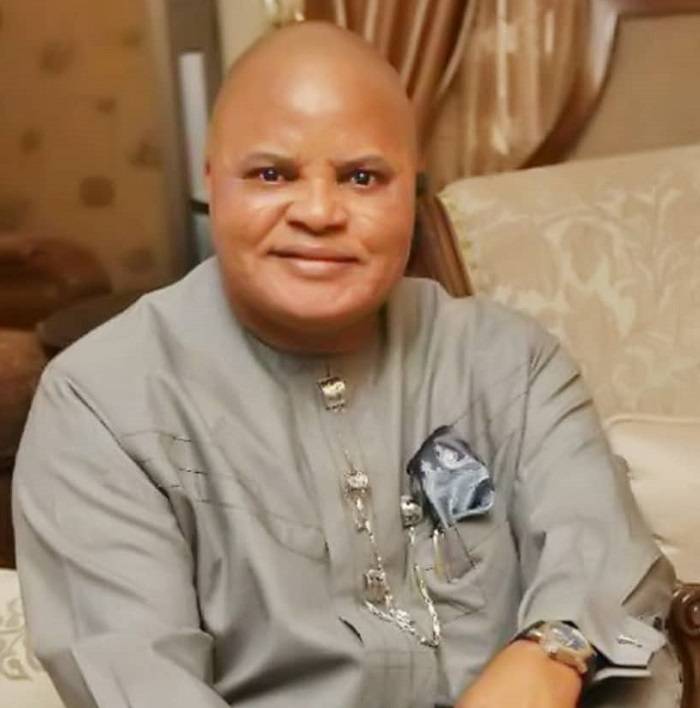
A group, the Imo First Group (IFG) has described the purported Magistrate court order to arrest Senator Ifeanyi Araraume and the former governor of Imo State, Rochas Okorocha, over alleged criminal conspiracy and forgery, as a ruse and fake news
The group stated this in a statement issued on Saturday in Abuja.
IFG challenged those peddling the fake news to make the court order public.
The statement reads ” The fabricated and concocted story was first posted on social media by Hon. Ambrose Nwaogwugwu, a media aide to Governor Hope Uzodimma, before it was picked up by other media outfits, including Arise TV.
According to the statement, those behind the report claimed that a Senior Magistrate Court sitting in Abuja issued a Bench Warrant dated September 9, 2026, following a petition written by the Resident Electoral Commissioner (REC) in Imo State, Barr. Chukwuemeka Ibejiako, to the Police and DSS on October 8, 2026, over alleged presentation of fake APC primary results.
The Group debunked the existence of any such order.
“We want to state categorically and unequivocally that no jSenior Magistrate ordered or issued any bench warrant for the arrest of Araraume”
IFG however challenged anyone in possession of the purported court order to publish it.
“If you claim to have a court order present same for the public to see,
“This fabricated bench warrant contain in the report is filled with inconsistencies, the bench warrant was dated September 9, 2026, while the REC’s petition that supposedly triggered it was dated October 8, 2026, with case number CR/M/084/2026.
The statement further stated that the purveyors and harbinger of the fake news tried to trick the magistrate via exparte order but was rebuked
“The magistrate bluntly refused to grant their exparte and threatened to arrest them, yet they carried their falsehood about. What’s the problem of occupants of office that never won free and fair elections and tried to destroy reputable Imo sons that have won elections. We challenge anyone in this macabre surugede dance to show the court order or warrant of arrest. It’s preposterous to blackmail decent Imo sons on the altar of dirty politics.”

News
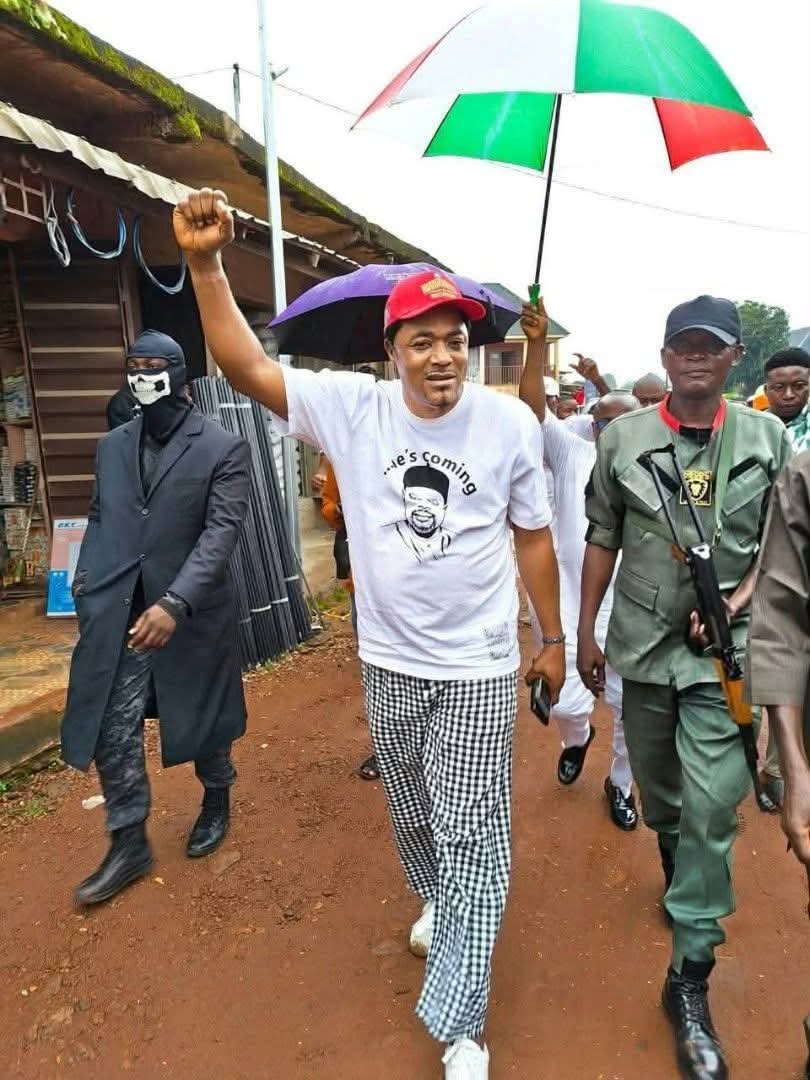
Panic-stricken Enugu APC begins flag-off of already flagged of roads in Nsukka after PDP’s Chijioke Ugwu’s homecoming

-
Politics3 years ago
13 Ondo Assembly Members Disown Endorsement of Aiyedatiwa
-
Politics3 years ago
APC Group, Ondo Govt, Quarrel Over Money for Endorsement
-

 Trending News5 years ago
Stop unsavoury, inciting statements – DSS warns
-

 Others5 years ago
Adron Homes Celebrates 10 Years Of Housing Excellence
-

 Humanity5 years ago
President Buhari Commiserates With Ambassador Maureen Tamuno Over The Loss Of Her Father
-

 Others7 years ago
EX- CUSTOMS BOSS, IBRAHIM MERA’S DWINDLING FAME
-

 Business2 years ago
Bigi Carbonated Soft Drinks Treats 40 Consumers to an Epic Easter Movie Hangout
-

 Business2 years ago
Wema Bank Shines at Global SME Finance Forum Conference Awards 2024 …Awarded: • SME Financier of the Year (Africa) • Platinum Award for Best Financier for Women Entrepreneurs (Africa)