
Politics
Bode George Rejects Atiku’s 2027 Presidential Ambition

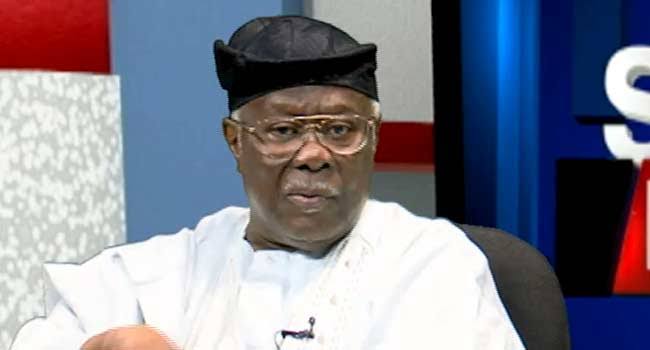
Bode George rejects Atiku’s presidential ambition, insisting the South should complete its eight-year tenure before power returns to the North
The PDP chieftain says Nigeria’s presidential power rotation should be respected, arguing that the South deserves to complete its eight-year tenure.
Also read:Norway Trial Puts Cameroon Separatist Conflict Under Scrutiny

Former Peoples Democratic Party (PDP) Deputy National Chairman, Chief Bode George, has renewed his opposition to former Vice-President Atiku Abubakar’s presidential ambition, insisting that Nigeria’s political power-sharing arrangement should allow the South to complete its eight-year tenure before power returns to the North.
George made his position known on Wednesday during a press briefing in Lagos ahead of activities marking his 81st birthday, where he criticised Atiku’s continued interest in the presidency and called for greater consideration of political balance and national unity.
The elder statesman argued that the informal power rotation arrangement between Nigeria’s northern and southern regions should guide political decisions, particularly as President Bola Tinubu is currently serving a southern presidency following the eight years of former President Muhammadu Buhari, who was from the North.

George said he had opposed Atiku’s presidential bid in 2023 because he believed it was inconsistent with the understanding that power should rotate between the two regions.
He maintained that the South should be allowed to complete its expected eight-year presidential tenure before another northern candidate seeks to take over the office.
According to him, Atiku’s renewed presidential ambition remains unacceptable to him because the current political arrangement has yet to run its course.
The former PDP national officer said, “Former Vice President Atiku Abubakar disrupted this trajectory when he insisted on succeeding President Buhari, a fellow Northerner, in 2023. This was why I kicked against his ambition.
“He went ahead, did everything possible but failed. And now he is back, still seeking to be president when the South has not yet completed eight years. I am still against his presidential ambition.”
George questioned why Atiku continued pursuing the presidency despite the argument that the North should wait until 2031 before seeking another presidential mandate. He also criticised the former vice-president’s repeated attempts to secure the highest political office in the country.
According to George, the political arrangement should take precedence over individual ambition, particularly when national unity and fairness are at stake.
He urged Nigerians to move away from personal political interests and embrace decisions that prioritise the collective wellbeing of the country.
“When are we going to bury self-interest for the collective interests of Nigerians?” he asked, calling on political leaders to embrace honesty, fairness and responsible leadership.
The PDP chieftain also expressed concern about the treatment of opposition politicians, alleging that political defections were sometimes driven by manipulation and inducement rather than genuine conviction.
He warned against efforts to weaken opposition parties and intimidate political actors who hold different views from those of the government.
George further raised concerns about conflicting court judgments on political disputes, arguing that disagreements between courts of similar jurisdiction could create confusion and uncertainty ahead of the 2027 general elections.
He warned that unresolved political and judicial disputes could threaten the credibility of the electoral process and potentially trigger political tensions if not addressed.
His remarks reflect the growing debate over zoning, political power rotation and the contest for the 2027 presidency, with questions about whether regional balancing should influence presidential candidacies continuing to divide political stakeholders.
Atiku, a former vice-president and presidential candidate, has remained a prominent figure in opposition politics, while supporters of power rotation argue that the South should retain the presidency until 2031.
However, the rotation arrangement remains a political understanding rather than a constitutional requirement, leaving presidential eligibility and the decision to contest elections subject to constitutional provisions and party processes.
Also read:Norway Trial Puts Cameroon Separatist Conflict Under Scrutiny
George’s latest comments therefore add another layer to the debate over the opposition’s strategy, regional representation and the political calculations shaping Nigeria’s next presidential election.


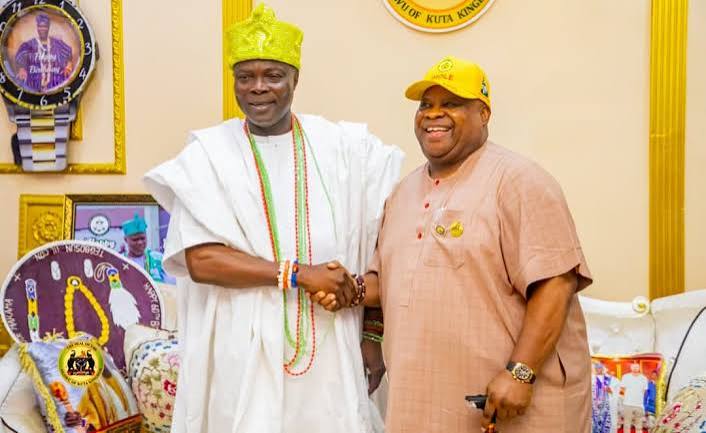
Olowu Kuta urges peace as he congratulates Adeleke’s reappointed officials and warns Osun political actors against bitterness ahead of 2027
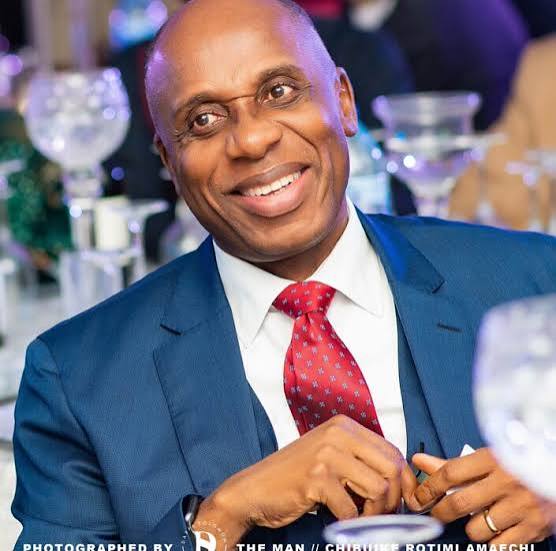
Amaechi accused of neglecting Ikwerre as APC chieftain Princewill Dike alleges missed development opportunities and predicts backlash in 2027
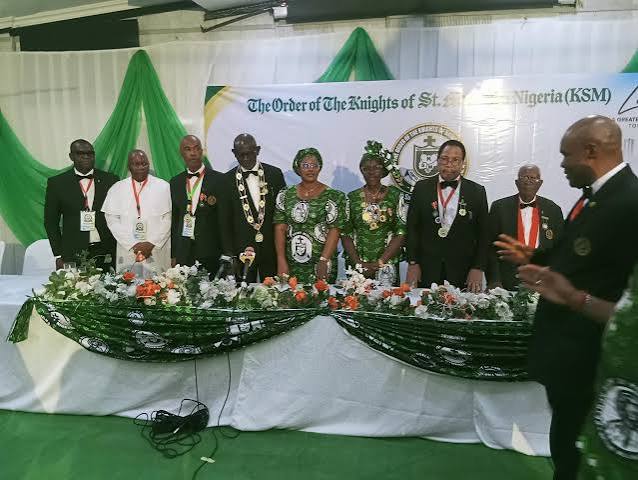
Catholic Knights reject vote buying and ethnic politics, urging Nigerians to choose credible leaders and protect democracy ahead of the 2027 elections
-
Politics3 years ago
13 Ondo Assembly Members Disown Endorsement of Aiyedatiwa
-
Politics3 years ago
APC Group, Ondo Govt, Quarrel Over Money for Endorsement
-

 Trending News6 years ago
Stop unsavoury, inciting statements – DSS warns
-

 Others5 years ago
Adron Homes Celebrates 10 Years Of Housing Excellence
-

 Humanity5 years ago
President Buhari Commiserates With Ambassador Maureen Tamuno Over The Loss Of Her Father
-

 Others7 years ago
EX- CUSTOMS BOSS, IBRAHIM MERA’S DWINDLING FAME
-

 Business3 years ago
Bigi Carbonated Soft Drinks Treats 40 Consumers to an Epic Easter Movie Hangout
-

 Business2 years ago
Wema Bank Shines at Global SME Finance Forum Conference Awards 2024 …Awarded: • SME Financier of the Year (Africa) • Platinum Award for Best Financier for Women Entrepreneurs (Africa)