
Oil and Gas
Dangote Refinery to produce detergent raw material locally

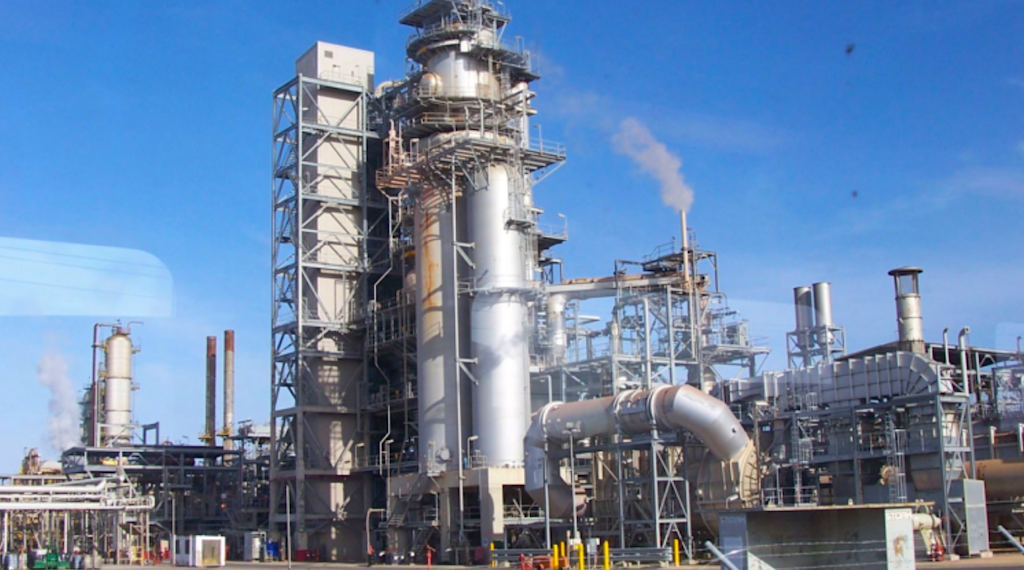
Dangote Refinery to produce detergent raw material locally, reducing imports and foreign exchange demand for manufacturers

Dangote Refinery has announced plans to begin local production of surfactants used in detergent manufacturing, a move aimed at reducing import dependence and supporting Nigeria’s manufacturing sector.
Also read: Dino Melaye Alleges Senate Plot to Rig 2027 Elections
The Chief Executive Officer of Dangote Refinery, David Bird, disclosed the plan on Wednesday during a news conference, according to a statement from the event.
David Bird said the refinery had largely concluded commercial discussions to install a linear alkyl benzene plant, which would produce surfactants, a key raw material used in detergents for household cleaning, laundry and personal hygiene.
He explained that local production of surfactants would reduce pressure on foreign exchange, lower input costs for manufacturers and potentially lead to more affordable detergent products for consumers.
“I am very pleased today to announce that we have been in deep discussions with a licenser and are just about to finalise the commercial terms for installing a linear alkyl benzene plant,” David Bird said.
He described surfactants as the active ingredient responsible for the foaming action in detergents and noted that the refinery evaluates investments based on population-driven demand.
David Bird said fuels, lubricants and detergents are essential products that should not be treated as luxury items, given Nigeria’s large population and that of the wider West African region.
According to him, the refinery is pursuing an import substitution strategy, noting that detergents consumed across West Africa currently rely entirely on imported surfactants.
“As we speak, 100 per cent of the detergents used in West Africa are imported, so we will be building an LAB plant in order to make the surfactant,” he said.
He added that the project would strengthen local detergent manufacturing and represents another reinvestment focused on improving economic sustainability and self-sufficiency in Nigeria and the sub-region.
Also read: NEDC delegation road accident leaves Bauchi journalists hurt
The announcement comes as manufacturers continue to grapple with rising production costs driven by foreign exchange volatility and heavy reliance on imported inputs.


Malabu Oil and Gas dispute escalates as the company demands correction and apology over alleged inaccuracies in The Africa Report OPL 245 story

Malabu Oil OPL 245 Suit as the firm challenges FG over conversion of OPL 245 to OML 245 and seeks ₦1 trillion in damages
-
Politics3 years ago
13 Ondo Assembly Members Disown Endorsement of Aiyedatiwa
-
Politics3 years ago
APC Group, Ondo Govt, Quarrel Over Money for Endorsement
-

 Trending News5 years ago
Stop unsavoury, inciting statements – DSS warns
-

 Others5 years ago
Adron Homes Celebrates 10 Years Of Housing Excellence
-

 Humanity5 years ago
President Buhari Commiserates With Ambassador Maureen Tamuno Over The Loss Of Her Father
-

 Others7 years ago
EX- CUSTOMS BOSS, IBRAHIM MERA’S DWINDLING FAME
-

 Business2 years ago
Bigi Carbonated Soft Drinks Treats 40 Consumers to an Epic Easter Movie Hangout
-

 Business2 years ago
Wema Bank Shines at Global SME Finance Forum Conference Awards 2024 …Awarded: • SME Financier of the Year (Africa) • Platinum Award for Best Financier for Women Entrepreneurs (Africa)