
News
Dapo Abiodun takes on Tinubu over standard of road constructed in Ogun


Dapo Abiodun sparks outrage over Sagamu road project, facing criticism for hypocrisy and interference in federally funded infrastructure

Dapo Abiodun has come under fire after directing tougher technical standards for a federally awarded road project in Sagamu, drawing accusations of hypocrisy and political interference.
Also read: Dapo Abiodun Betrayal Controversy Deepens APC Rift
The Paddy Arikawe Oye-Igbimo Road, contracted to Minim and Tonye Nigeria Limited by the Border Communities Development Agency (BCDA), became the centre of controversy following a letter from the Ogun State Ministry of Works and Infrastructure.
Signed by Permanent Secretary Engr. Dr. Yusuf L.O., the letter flagged deficiencies in the contractor’s proposal.
It noted that while documents such as the award letter and cross-sectional drawings were submitted, the proposal failed to specify the exact stretch of road in relation to the Oba-Erinwole Road.
Abiodun’s directive insisted on reinforced concrete pavements of at least Grade 35, preferably Grade 40, rejecting the contractor’s proposed Grade 20.
He also demanded a stone base thickness of no less than 150 mm, preferably 200 mm, with reinforcement bars boasting a tensile strength of at least 460 N/mm².
The state ordered full compliance with Federal Ministry of Works standards, including detailed drawings and material testing plans.
The intervention has provoked sharp criticism, particularly as the project was awarded and funded by a federal agency under the Presidency, with approval signed into law by President Bola Tinubu.
“Why is Abiodun interfering in a federal project?” one commentator asked on X, hinting at political motives linked to his strained relationship with former governor and current senator Otunba Gbenga Daniel, who facilitated the project.
More damaging for the governor is the charge of double standards. Critics have lambasted Abiodun’s own road projects, claiming that state-built roads in Iperu and Ilishan deteriorated soon after construction.
“The road to Dapo’s house wouldn’t meet these standards,” another X user quipped, as calls grew for an independent audit of state projects and the release of Bills of Quantities for transparency.
Analysts warn that the row could strain federal-state relations, with Sagamu residents left in limbo as politics overshadows urgent infrastructure needs.
Also read: OGD APC Crisis Deepens as Youth Group Accuses Dapo Abiodun of Targeting Former Governor
Whether Abiodun’s intervention reflects genuine concern for quality or political posturing remains a divisive question, but the uproar has placed his own track record firmly under the spotlight.



South Africa repatriates 586 Nigerians found residing illegally, with deportees barred from re-entering the country for five years
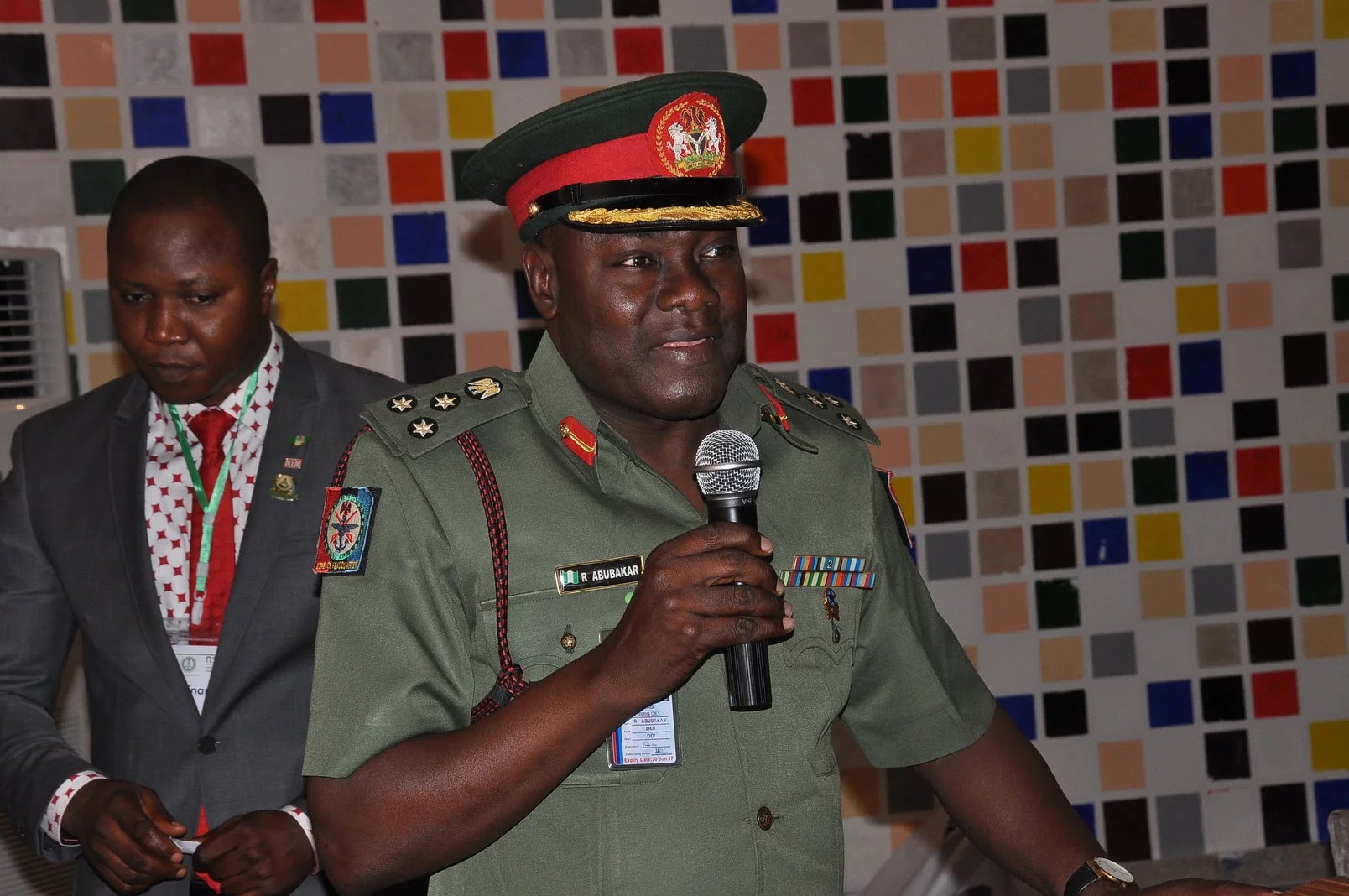
Katsina confirms tragic death of retired General Rabe Abubakar in bandit captivity, vows stronger action against insecurity

Nigeria migration crisis sparks urgent warning over rising emigration, unrest abroad, and calls for stronger governance and accountability
-
Politics2 years ago
13 Ondo Assembly Members Disown Endorsement of Aiyedatiwa
-
Politics2 years ago
APC Group, Ondo Govt, Quarrel Over Money for Endorsement
-

 Trending News5 years ago
Stop unsavoury, inciting statements – DSS warns
-

 Others4 years ago
Adron Homes Celebrates 10 Years Of Housing Excellence
-

 Humanity4 years ago
President Buhari Commiserates With Ambassador Maureen Tamuno Over The Loss Of Her Father
-

 Others7 years ago
EX- CUSTOMS BOSS, IBRAHIM MERA’S DWINDLING FAME
-

 Business2 years ago
Bigi Carbonated Soft Drinks Treats 40 Consumers to an Epic Easter Movie Hangout
-

 Business2 years ago
Wema Bank Shines at Global SME Finance Forum Conference Awards 2024 …Awarded: • SME Financier of the Year (Africa) • Platinum Award for Best Financier for Women Entrepreneurs (Africa)