
Business
Ehi Braimah Urges Afreximbank, AfDB to Drive AfCFTA

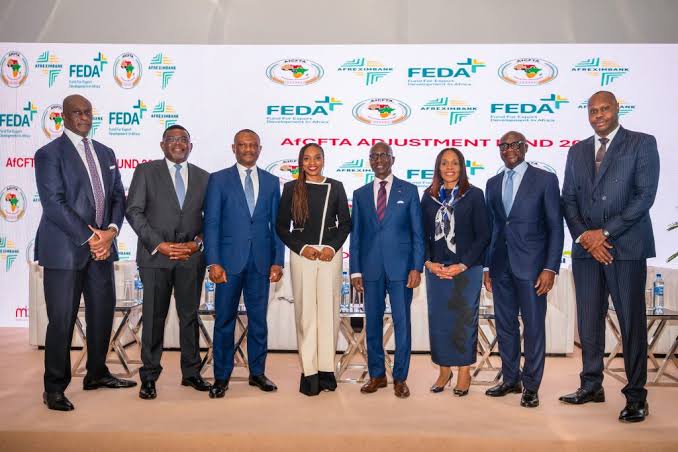
Ehi Braimah urges Afreximbank and AfDB to strengthen Africa’s economic integration through trade finance, infrastructure and industrial investment

PR specialist, marketing strategist and publisher, Ehi Braimah, has called on the African Export-Import Bank (Afreximbank) and the African Development Bank (AfDB) to take leading roles in driving the implementation of the African Continental Free Trade Area (AfCFTA).
Also read:Police Arrest Three in Arms Trafficking Crackdown
Braimah, in an article titled AfCFTA: Afreximbank and AfDB Must Drive Africa’s Economic Integration, argued that the two financial institutions must combine their strengths to turn Africa’s ambition of creating a single continental market into tangible economic opportunities.
He said AfCFTA, which brings together 55 African countries, represents one of the continent’s most ambitious efforts to expand trade, attract investment, stimulate industrialisation, create employment and improve Africa’s position in the global economy.
With a combined population of approximately 1.3 billion people and an estimated gross domestic product of $3.4 trillion, Braimah said the continent had enormous economic potential.
However, he warned that establishing a single market through an agreement would not automatically increase commercial activities among African countries.
According to him, businesses also require affordable financing, reliable infrastructure, efficient payment systems, competitive industries and predictable regulatory frameworks to benefit from the trade arrangement.
He identified Afreximbank and AfDB as strategically important institutions whose complementary mandates could provide the financial foundation needed to accelerate Africa’s economic integration.
While Afreximbank focuses on promoting and financing African trade, Braimah noted that AfDB has a broader development mandate covering infrastructure, industrialisation, regional integration and private-sector growth.
He argued that a more deliberate partnership between the two institutions could make them principal financial engines of AfCFTA.
On the role of Afreximbank, Braimah identified access to affordable trade finance as one of the biggest obstacles facing businesses involved in cross-border trade.
He noted that African businesses, particularly small and medium-sized enterprises, often struggle with high borrowing costs, foreign exchange constraints, inadequate credit facilities and difficulties obtaining guarantees for international transactions.
He therefore called for the expansion of Afreximbank’s Pan-African Payment and Settlement System (PAPSS), which facilitates cross-border payments in African currencies.
According to him, wider adoption of PAPSS could reduce dependence on intermediary currencies, lower transaction costs and ease some of the foreign exchange pressures associated with international payments.
Braimah urged commercial banks, central banks, payment service providers and financial technology companies across the continent to participate more actively in the system.
He also highlighted Afreximbank’s MANSA initiative, which provides verified information on African businesses and other entities, saying it could help address information gaps and build confidence among potential trading partners.
He argued that an entrepreneur in Lagos should be able to identify a reliable supplier in Nairobi, obtain financing, make payments using an appropriate African currency and transport goods across borders without unnecessary financial and administrative difficulties.
Turning to AfDB, Braimah maintained that Africa’s trade ambitions would remain difficult to achieve without substantial investment in infrastructure.
He listed roads, railways, ports, airports, electricity, telecommunications and logistics networks as essential facilities required to improve the movement of goods and services across national borders.
The publisher said poor transport connections, unreliable electricity and expensive logistics continued to increase production costs and weaken the competitiveness of African products.
He noted that AfDB had reportedly invested more than $8 billion in 109 cross-border economic corridors and infrastructure projects between 2014 and 2024, describing the investment as an important foundation for regional integration.
However, he argued that Africa’s ambitions required sustained funding and stronger coordination among development finance institutions.
Braimah urged AfDB to mobilise more private-sector investment through public-private partnerships, blended finance, guarantees and other risk-mitigation instruments, noting that African governments could not independently meet the continent’s infrastructure financing needs.
He also called for greater investment in agricultural transformation, industrial capacity, energy security and skills development to enable African countries to move beyond exporting raw commodities.
On industrialisation, Braimah said the real promise of AfCFTA went beyond increasing the volume of trade to transforming what African countries produce and exchange.
He argued that the continent’s longstanding dependence on exporting unprocessed commodities while importing finished products had limited industrial development, employment opportunities and the retention of economic value within African economies.
He identified agriculture, pharmaceuticals, textiles, automotive components, petrochemicals, renewable energy technologies and mineral processing as sectors with opportunities for stronger regional value chains.
Using the cocoa industry as an example, he said West African countries could collaborate across production, processing, packaging, logistics and distribution instead of allowing much of the industry’s value to be captured outside the continent.
He also identified opportunities in lithium processing, battery manufacturing, cotton and textiles, food processing and pharmaceutical production.
Braimah proposed that Afreximbank and AfDB jointly identify and finance strategic regional value chains, with meaningful participation from local businesses and investors.
Under the proposed arrangement, Afreximbank would provide working capital, export finance, guarantees and payment solutions, while AfDB would support the infrastructure, electricity supply, industrial facilities and productive capacity required to make investments commercially viable.
He said such a division of responsibilities could help transform African economies from commodity suppliers into manufacturing and industrial centres.
The article also highlighted the importance of cross-border investment in making AfCFTA successful.
Braimah said pension funds, insurance companies, sovereign wealth funds, commercial banks and private equity investors held resources that could support infrastructure, manufacturing and regional businesses.
However, he noted that investors needed bankable projects, transparent procurement processes, appropriate risk-sharing arrangements and predictable returns before committing significant capital.
He urged both institutions to work more closely with national development banks, regional financial institutions, Africa50 and private investors to establish a pipeline of viable projects aligned with AfCFTA priorities.
He stressed that Africa needed properly structured investment opportunities supported by feasibility studies, clear commercial models and sound governance rather than relying mainly on investment conferences and declarations of intent.
Braimah further argued that the relationship between Afreximbank and AfDB should be based on institutional cooperation rather than competition or duplication of responsibilities.
He illustrated this with the example of an agricultural-processing corridor connecting several African countries, where AfDB could finance roads, electricity, irrigation systems, processing facilities and logistics infrastructure.
Afreximbank, in turn, could provide trade finance to producers, processors and exporters, facilitate payments through PAPSS and support cross-border transactions.
He proposed that the institutions formalise their cooperation through joint investment platforms, coordinated project preparation, co-financing arrangements and shared performance indicators aligned with AfCFTA priorities.
He also called for stronger engagement with the AfCFTA Secretariat and the African Union Commission to ensure that financing decisions reflect the continent’s regional integration objectives.
Beyond the responsibilities of financial institutions, Braimah said African governments must address non-tariff barriers, harmonise customs procedures and product standards, improve border administration and establish a more predictable business environment.
He added that private businesses must respond through investment, innovation, entrepreneurship and the development of competitive products, while looking beyond their domestic markets to explore opportunities across Africa.
In his concluding remarks, Braimah maintained that the success of AfCFTA would depend on more than political commitments or the existence of a continental trade agreement.
He argued that the continent needed accessible finance, functioning infrastructure, competitive industries and institutions capable of supporting businesses operating across national boundaries.
He said Afreximbank and AfDB had the financial experience, institutional capacity and continental reach to make a decisive contribution to the project.
Braimah urged the two institutions to take the lead in providing the financial resources, infrastructure and investment framework required to make Africa’s single market commercially effective.
Also read:Police Arrest Three in Arms Trafficking Crackdown
He is the publisher and Editor-in-Chief of Naija Times and Lagos Post, and an advocate for African economic prosperity.


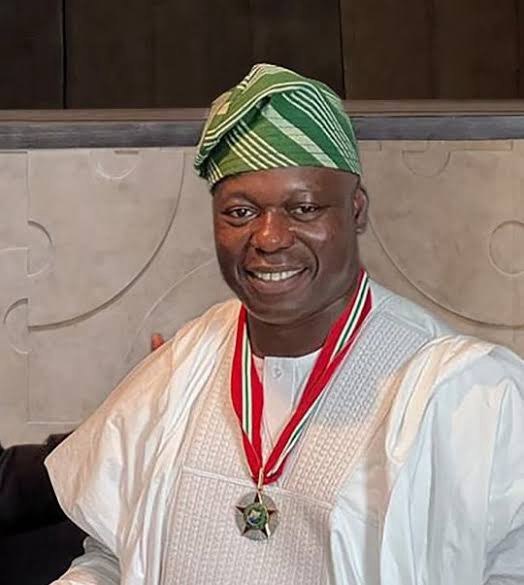
Oando Plc, under the leadership of its Group Chief Executive, Jubril Adewale Tinubu, has recorded a significant improvement in its operating performance, returning to profitability at the operating level as revenue rose to ₦2.78 trillion in the first nine months of 2026.
The indigenous energy company reported revenue of ₦2.776 trillion for the nine months ended September 30, 2026, representing a nine per cent increase from the ₦2.541 trillion recorded during the corresponding period of 2025.
The latest unaudited results, released on October 30, also showed a substantial recovery in gross profit, which increased to ₦174.5 billion from ₦29.8 billion in the previous year.
One of the most notable developments was the company’s return to operating profit. Oando recorded an operating profit of ₦159.7 billion, reversing the operating loss of ₦109.7 billion reported in the corresponding period of 2025.
The improvement reflects stronger performance across its operations, supported by higher production volumes, improved realised prices and the absence of a significant fair value loss recorded in the previous year.
The figures provide an indication of the progress made by the company as it continues to pursue its expansion and operational efficiency objectives under Tinubu’s leadership.
Oando’s production performance also improved during the reporting period. Average daily production increased by 14 per cent to 42,985 barrels of oil equivalent per day, compared with 37,614 barrels in the corresponding period of 2025.
The growth was supported by higher output from crude oil, natural gas and natural gas liquids operations.
The company also reported a 22 per cent reduction in production operating costs, which fell to $15.39 per barrel of oil equivalent from $19.67 recorded a year earlier.
Facility uptime improved to 96.1 per cent from 85 per cent, indicating greater reliability across its production infrastructure.
These improvements reflect the impact of drilling activities, workover programmes and efforts to restore previously constrained facilities. Oando said the measures helped increase production and improve operational efficiency across its enlarged asset base.
During the period, the company generated ₦285 billion in cash from operations and invested ₦110.7 billion in capital expenditure, with a significant portion directed towards drilling activities across its operated OML 60–63 assets.
Its seven-well drilling programme for 2026 also progressed, with two new wells completed and brought on stream, while workovers and additional drilling activities continued.
Oando further reported an improvement in its debt position, with total borrowings declining by 20 per cent from ₦2.70 trillion at the end of December 2025 to ₦2.16 trillion as of September 30, 2026.
Net debt also fell by ₦286 billion to ₦1.99 trillion during the nine-month period.
The reduction forms part of the company’s broader capital management strategy, which is aimed at lowering acquisition-related debt, reducing financing costs and strengthening its balance sheet.
Despite the stronger operating performance, however, Oando’s profit after tax declined by 47 per cent to ₦106.5 billion, compared with ₦201.3 billion recorded in the corresponding period of 2025.
The company attributed the decline largely to the swing from net finance income in the previous year to net finance costs in 2026, alongside the continuing burden of acquisition-related debt.
Its results showed finance costs of ₦244.2 billion during the period, while the company also recognised a tax credit of ₦181.1 billion arising from the reversal of previously recognised tax provisions.
The figures underline the distinction between Oando’s improved operating performance and the financial pressure it continues to face from its debt obligations.
Nevertheless, the return to operating profitability, higher production, lower unit operating costs and declining borrowings represent important developments in the company’s financial and operational position.
For Tinubu, who has remained central to Oando’s corporate transformation, the latest results provide further evidence of the company’s efforts to consolidate its position in Nigeria’s energy industry and expand its presence across Africa.
The company has also outlined plans to continue its seven-well development programme, sustain production reliability and strengthen its financial position through an equity-raising initiative.
With its operating performance improving and debt reduction remaining a priority, Oando’s next challenge will be to translate its production and revenue growth into stronger bottom-line earnings while managing the cost of financing its expansion.

Nigerian Breweries celebrates its 80th anniversary with an N80m consumer reward initiative and the unveiling of Legendary Christmas 2026
Business
Can African Engineers Compete Globally? ChipMango Is Creating Opportunities in the semiconductor Industry

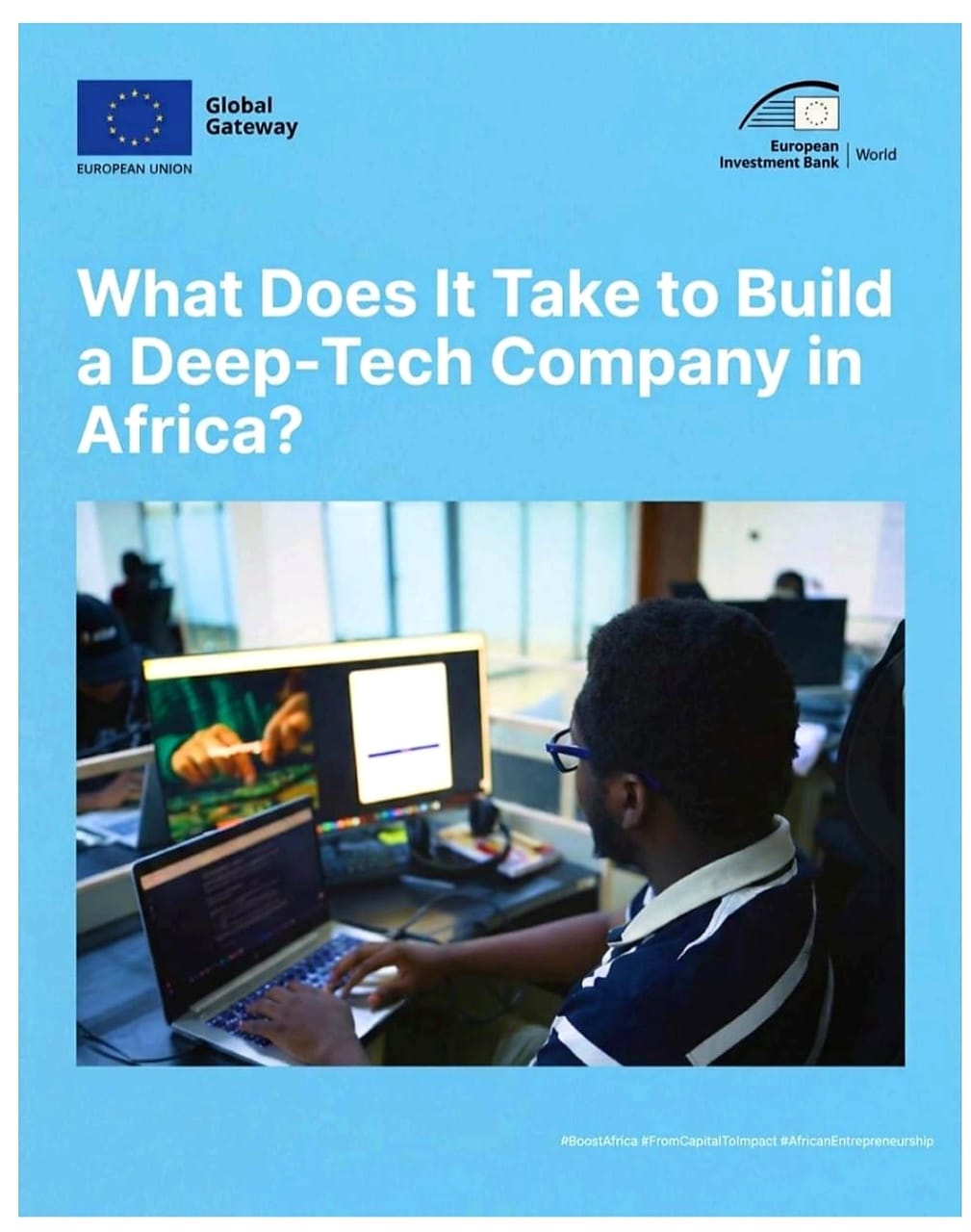
The semiconductor industry requires highly specialised engineering knowledge.
For African engineers, gaining access to professional tools, industry experience and international opportunities can open
important doors.
ChipMango is working at the intersection of talent development and commercial engineering, creating pathways for African expertise to contribute to a global industry.
The growth of businesses like ChipMango also highlights the importance of investment in Africa’s innovation ecosystem. Through Boost Africa, a joint initiative of the EIB and African Development Bank, supported by the European Union, the European Investment Bank helps mobilise financing through venture capital funds for innovative African businesses. Watch the video to hear the story behind ChipMango.
Watch the video:
-
Politics3 years ago
13 Ondo Assembly Members Disown Endorsement of Aiyedatiwa
-
Politics3 years ago
APC Group, Ondo Govt, Quarrel Over Money for Endorsement
-

 Trending News6 years ago
Stop unsavoury, inciting statements – DSS warns
-

 Others5 years ago
Adron Homes Celebrates 10 Years Of Housing Excellence
-

 Humanity5 years ago
President Buhari Commiserates With Ambassador Maureen Tamuno Over The Loss Of Her Father
-

 Others7 years ago
EX- CUSTOMS BOSS, IBRAHIM MERA’S DWINDLING FAME
-

 Business3 years ago
Bigi Carbonated Soft Drinks Treats 40 Consumers to an Epic Easter Movie Hangout
-

 Business2 years ago
Wema Bank Shines at Global SME Finance Forum Conference Awards 2024 …Awarded: • SME Financier of the Year (Africa) • Platinum Award for Best Financier for Women Entrepreneurs (Africa)