
health
FCCPC Moves Against Producers Over Poorly Fortified Oil, Salt

FCCPC orders producers to comply with food fortification standards after a survey found inadequately fortified vegetable oil and salt in Nigerian markets

The Federal Competition and Consumer Protection Commission (FCCPC) has directed defaulting manufacturers of vegetable oil and salt to comply with food fortification requirements after a survey found that some products sampled in Nigerian markets were inadequately fortified.
Also read: INEC Warns Journalists Against Fake 2027 Election Results
The findings emerged from a two-month study conducted by the commission in partnership with the Global Alliance for Improved Nutrition (GAIN), covering randomly selected markets and households in northern and southern Nigeria.
According to a statement issued on Thursday by the FCCPC’s Director of Corporate Affairs, Ondaje Ijagwu, the analysis of 200 samples, comprising 100 vegetable oil and 100 salt samples, showed that 12 per cent of the vegetable oil and two per cent of the salt were inadequately fortified at household level.
The study used a Household Food Fortification Survey alongside the Digital Fortification Quality Traceability Plus (DFQT+) platform, a system developed by GAIN to support the monitoring and tracking of fortified food products.
Large-Scale Food Fortification involves adding essential vitamins and minerals, including iron, folic acid, vitamin A, zinc and iodine, to commonly consumed foods and condiments during industrial processing.
The practice is intended to address micronutrient deficiencies and reduce hidden hunger, a public health challenge affecting populations across the world, particularly pre-school children and women of reproductive age.
The FCCPC noted that Nigeria’s national food policy requires manufacturers to fortify applicable products.
The survey also revealed that a significant proportion of the vegetable oil samples were unbranded. Of the 100 samples collected, 49 were unbranded while 51 carried identifiable brands.
Devon Kings accounted for 19 samples, followed by Power Oil with 12. Activa accounted for four, while Golden Penny and Laziz Oil had three samples each. Mamador, Lasor Oil, Golden Terra, Canola, Primo Vegetable Oil, Zimzitana Oil, Ayarah Oil, Sim, Tadenkey and Okli each accounted for one sample.
For salt, 19 of the 100 samples were unbranded, while 81 carried identifiable brands. Mr Chef accounted for 71 samples and Dangote for the remaining 10.
Beyond the fortification concerns, the commission identified limited manufacturer participation in the DFQT+ digital traceability platform as another challenge.
The platform is designed to improve the tracking of fortified food products from manufacturing facilities to consumers, helping regulators and businesses identify quality concerns and address problems along the supply chain.
However, the FCCPC disclosed that only six vegetable oil producers had registered on the platform. Of the 100 vegetable oil sample results analysed, only eight results from three of the six registered companies could be uploaded.
The commission said it had consequently issued a directive compelling defaulting producers to comply with the relevant requirements.
It also urged manufacturers, particularly micro, small and medium-sized enterprises, to adopt product registration and digital traceability systems. Consumers were equally encouraged to pay attention to the importance of fortified foods and ensure proper product handling and storage.
Commenting on the findings, the Executive Vice Chairman and Chief Executive Officer of the FCCPC, Tunji Bello, said consumers should be able to trust the quality of products they purchase and the benefits those products are expected to provide.
Bello stressed that consumer protection extended beyond resolving complaints and addressing harmful business practices. He said it also involved ensuring that consumers received the value and benefits they were entitled to expect from products available in the marketplace.
He further emphasised that manufacturers had a responsibility to maintain appropriate quality standards and ensure their products met applicable requirements.
The commission also said it had escalated the matter to the National Agency for Food and Drug Administration and Control (NAFDAC) for further action, in line with the memorandum of understanding between both regulatory agencies.
Also read: INEC Warns Journalists Against Fake 2027 Election Results
The intervention underscores the importance of effective monitoring of food fortification standards, particularly for widely consumed products such as vegetable oil and salt, which play a role in efforts to address micronutrient deficiencies.


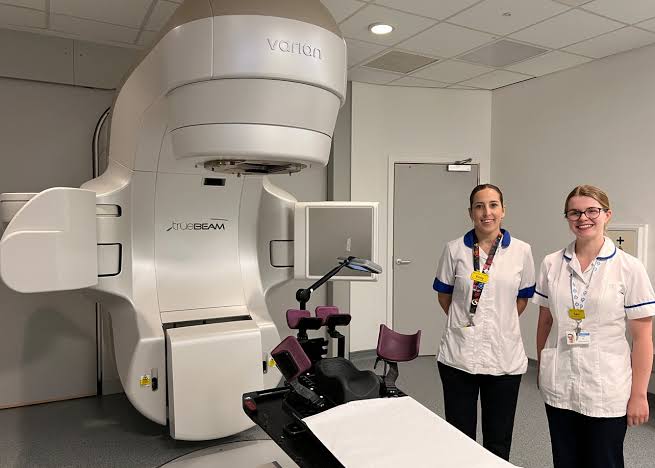
The UK is testing five-day breast cancer radiotherapy in a major trial that could reduce hospital visits and treatment costs for patients
The United Kingdom has launched a major clinical trial involving more than 1,000 participants to determine whether breast cancer radiotherapy can be shortened from three weeks to five days without compromising its effectiveness in preventing the disease from returning.
Also read: Grey CEO Urges Africa to Ditch Dollar for Trade
The government-funded FAST-Forward Boost trial, being conducted at 39 hospitals across the UK, will investigate whether a shorter course of radiotherapy combined with an additional targeted dose, known as a boost, can provide effective treatment for patients following breast cancer surgery.
The UK Department of Health and Social Care announced the development on Friday, October 30, describing the study as part of efforts to improve cancer treatment and make care more convenient for patients.
Led by the Institute of Cancer Research in London and funded by the National Institute for Health and Care Research, the study aims to recruit 4,830 participants by 2028.
Those enrolled will be followed up for five years, with results expected in 2033.
If the approach proves successful, it could reduce the number of hospital visits required by patients, potentially saving them 10 journeys compared with the existing three-week treatment schedule.
The department said the shorter schedule could also reduce transport expenses and the time patients spend away from work and family.
It could additionally ease pressure on the National Health Service by freeing up radiotherapy capacity for other patients.
Health and Social Care Secretary Yvette Cooper said the trial reflected the country’s efforts to use medical research to improve cancer care.
“This trial shows how the UK is using our world beating research capabilities to pursue huge improvements and transformations in cancer treatment for patients,” she said.
Why the radiotherapy trial matters
Radiotherapy uses carefully targeted radiation to destroy cancer cells or prevent them from growing.
For many people with breast cancer, it is recommended after surgery to reduce the risk of the disease returning in the treated area.
A treatment boost involves delivering an additional dose of radiation to the area considered to have a higher risk of recurrence, usually the site where the tumour was removed.
The FAST-Forward Boost trial is examining how this additional treatment can be incorporated into a shorter schedule.
Reducing treatment from three weeks to five days could make a considerable difference to patients who must travel regularly to hospitals.
The impact may be particularly significant for people living far from specialist cancer centres, those with limited transport options and patients balancing treatment with employment or family responsibilities.
However, the trial is designed to establish whether the shorter approach is effective and safe for the patients being studied. Its results will be important in determining whether the treatment schedule can become a wider option in clinical practice.
UK expands breast cancer screening efforts
The announcement comes as the British government intensifies efforts to improve breast cancer screening, encourage early diagnosis and strengthen support for patients.
The Department of Health and Social Care said screening uptake among women receiving their first invitation had risen to 63.6 per cent, its highest level in a decade.
Despite the improvement, around four in 10 women invited for their first screening appointment still do not attend.
The government is also working with the National Institute for Health and Care Research and NHS England on studies examining how artificial intelligence could support the analysis of mammograms.
The technology is being explored as a way to assist the assessment of breast screening images, although its role and effectiveness must be established through appropriate research and clinical evaluation.
In addition, the government has partnered with breast cancer charity Breast Cancer Now for three years to help women recognise symptoms, find reliable information and access support after treatment.
Together, the initiatives reflect a broader approach to breast cancer care, combining screening, research into treatment improvements and support for people living with the disease.
Also read: Grey CEO Urges Africa to Ditch Dollar for Trade
For now, the five-day radiotherapy approach remains under investigation. With final results not expected until 2033, the FAST-Forward Boost trial will need to establish whether reducing treatment time can deliver comparable cancer control while maintaining patient safety.

The DR Congo Ebola outbreak is recording 50 to 80 new confirmed cases daily, with about 10,000 cases and nearly 5,000 deaths reported

Anambra illegal health facilities face renewed scrutiny as the state seeks NMA support to identify unregistered clinics and protect patients from unsafe treatment
Anambra State Commissioner for Health, Dr Afam Obidike, has called on the Nigerian Medical Association (NMA) to help identify and shut down unregistered health facilities and curb the activities of unqualified practitioners in Anambra State, south-east Nigeria, on Sunday, 25 October 2026, as the government steps up efforts to protect patients from unsafe medical treatment.
Also read:Delta APC Warns Against Violence as 2027 Campaigns Near
Speaking at the closing ceremony of the 2026 Physicians’ Week and Scientific Conference of the NMA’s Awka Zone in Awka, Obidike described the association as an important partner in the state’s campaign to strengthen healthcare regulation and improve patient safety.
The commissioner said the government intended to work closely with medical professionals to identify individuals practising without appropriate qualifications and facilities operating outside established regulatory requirements.
“Anambra is going to work with the NMA because they will help us to identify people who are not medical personnel practising in Anambra,” he said.
“We are determined to shut all of them down because when people go there, they receive treatment that is not proper for their ailment.”
Obidike also urged prospective healthcare facility owners to consult the Department of Medical Services before establishing their operations.
He said applicants must obtain the relevant requirements, including specifications governing the design of their buildings, before proceeding.
The proposed collaboration comes amid existing enforcement efforts by the state government.
In June 2026, the Anambra State Ministry of Health sealed several private hospitals and medical laboratories over regulatory violations, including expired or unrenewed registrations, inadequate sanitation and the use of personnel without valid professional licences.
Anambra State Government reports said the inspections uncovered instances of unqualified individuals providing healthcare services, including a diagnostic centre where a person performing ultrasound examinations was reportedly a student without the necessary degree or professional qualifications.
The enforcement exercise demonstrated the practical risks that regulatory oversight is intended to address.
The state operates a registration and accreditation framework for healthcare facilities through its health facilities monitoring and accreditation authority.
Under the framework, operators are required to register their establishments and renew their operational approvals annually.
Compliance helps regulators assess whether facilities meet the required standards for providing medical services.
However, identifying unregistered facilities across the state and ensuring sustained compliance will require continued monitoring, effective public reporting and cooperation between regulators and recognised medical professionals.
The NMA’s involvement could strengthen the authorities’ ability to identify suspected cases of medical quackery, although the effectiveness of the initiative will depend on how consistently reports are investigated and regulatory decisions are enforced.
The appeal was made during a conference themed “Securing the Future of Medicine in Nigeria and Sub-Saharan Africa”, which combined professional discussions with activities focused on doctors’ welfare and recognition of service to the medical profession.
In his welcome address, Professor Tim-Uzoma Mbaeri, chairman of the NMA’s Awka Zone, said the annual event provided an opportunity for medical practitioners to reconnect, celebrate their profession and support colleagues facing health challenges.
Mbaeri said the association had visited sick colleagues and provided free laboratory investigations, including prostate-specific antigen testing and urinalysis, as part of its Physicians’ Week activities.
He described the programme as an opportunity to strengthen professional relationships and extend support beyond the clinical workplace.
“We find satisfaction not merely in the event we organised, but in the lives we have touched, the colleagues we have encouraged, the relationships we have strengthened and the visibility we have given to our profession,” Mbaeri said.
The programme also featured a novelty football match, offering participants an opportunity for recreation and closer engagement with colleagues from other institutions.
Three personalities received awards recognising their contributions to the medical profession and the association.
The recipients were Associate Professor Ifeoma Njelita, Dr Emmanuel Umenweke and lawyer Amaka Ezeno.
Njelita, a consultant in community medicine at Chukwuemeka Odumegwu Ojukwu University Teaching Hospital, was recognised for her contributions to medical practice and healthcare delivery.
Umenweke is a medical doctor at the Nnamdi Azikiwe University Medical Centre in Awka, while Ezeno is a lawyer, Notary Public and member of the Body of Benchers.
The awards provided a note of celebration at an event that also highlighted the challenges facing healthcare delivery and the importance of professional standards.
For Anambra, the government’s appeal to the NMA places renewed emphasis on a central public health concern: ensuring that people seeking treatment can distinguish legitimate healthcare providers from establishments operating without the required approvals.
The immediate priority will be to translate the proposed partnership into effective identification, inspection and enforcement measures while ensuring that compliant facilities can continue serving their communities.
Also read:Delta APC Warns Against Violence as 2027 Campaigns Near
Ultimately, sustained regulation, professional accountability and public awareness will be essential to protecting patients and building greater confidence in healthcare services across the state.
-
Politics3 years ago
13 Ondo Assembly Members Disown Endorsement of Aiyedatiwa
-
Politics3 years ago
APC Group, Ondo Govt, Quarrel Over Money for Endorsement
-

 Trending News6 years ago
Stop unsavoury, inciting statements – DSS warns
-

 Others5 years ago
Adron Homes Celebrates 10 Years Of Housing Excellence
-

 Humanity5 years ago
President Buhari Commiserates With Ambassador Maureen Tamuno Over The Loss Of Her Father
-

 Others7 years ago
EX- CUSTOMS BOSS, IBRAHIM MERA’S DWINDLING FAME
-

 Business3 years ago
Bigi Carbonated Soft Drinks Treats 40 Consumers to an Epic Easter Movie Hangout
-

 Business2 years ago
Wema Bank Shines at Global SME Finance Forum Conference Awards 2024 …Awarded: • SME Financier of the Year (Africa) • Platinum Award for Best Financier for Women Entrepreneurs (Africa)