
Sport
Tony Pulis Issues Vital Health Warning to Football Managers

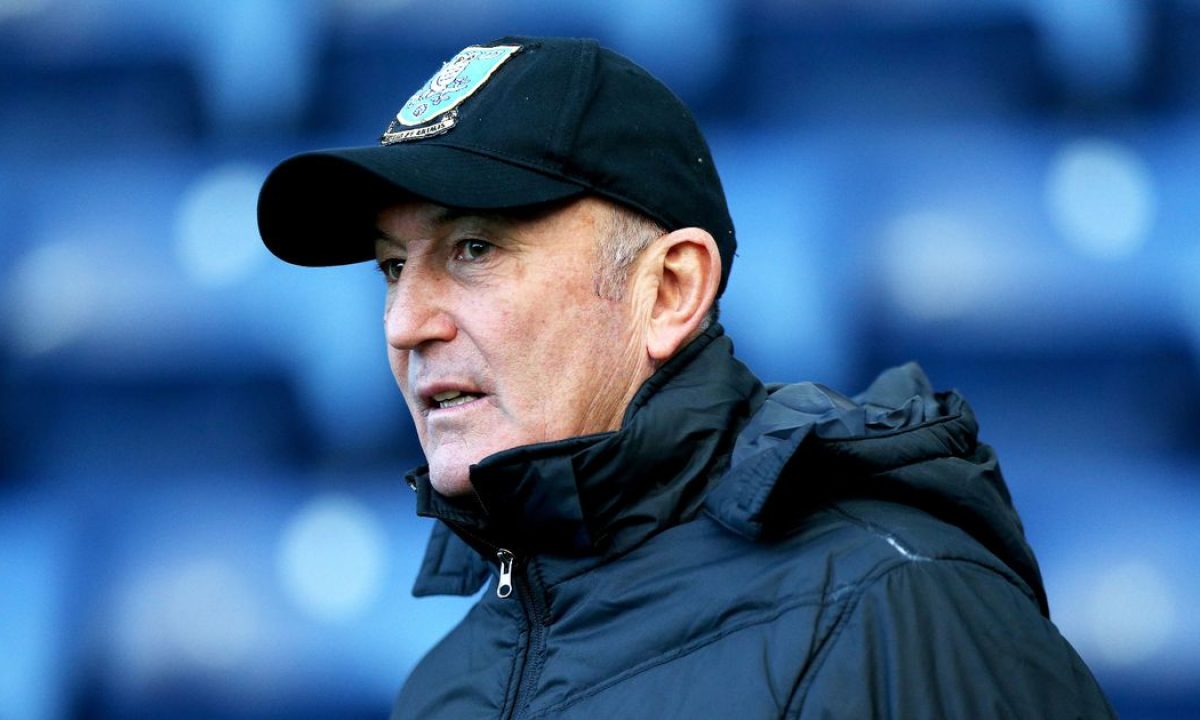
Tony Pulis urges football managers to prioritise their health, fitness and family life amid the intense pressures of the profession

Former Bournemouth manager Tony Pulis has urged young football managers to take their physical and mental wellbeing seriously, warning that the relentless demands of the profession can have damaging consequences if personal health is neglected.
Also read:Victor Osimhen Celebrates Joyful Arrival of Second Child
Pulis gave the advice following Bayern Munich manager Vincent Kompany’s recent health scare, which brought renewed attention to the pressures faced by coaches working at the highest level of football.
According to BBC Sport, Kompany collapsed at Bayern Munich’s training ground, with the condition identified as meningeal irritation, an inflammation involving the protective membranes surrounding the brain and spinal cord.
Reflecting on his own career, Pulis said he did not fully appreciate the personal demands of football management until he took charge of a club. Having previously worked as a player and coach, he admitted that his early approach to managing his health was poor.
“In the early days, my management of myself personally was really poor,” he said.
Pulis, who began his managerial career at Bournemouth in 1992, recalled spending long hours travelling to watch potential signings, often relying on unhealthy meals and snacks along the way.
“At that time I would be driving up and down the motorway to watch players, trying to find a fish and chip shop or fuelled only by a half-time pie or a sandwich from a local shop,” he said.
He explained that the pressure to deliver results, particularly when his teams were struggling, added to the strain and made it difficult to maintain a healthy lifestyle.
A conversation with an Australian triathlete shortly before he left Bournemouth in 1994, however, prompted him to reconsider his priorities. The athlete warned that the demands of his work were affecting his physical condition and that the accompanying stress could eventually take a serious toll.
Pulis said the exchange changed his attitude towards personal fitness and influenced how he approached his next managerial role.
“I came to the conclusion that in my next job, if I got one, I would dedicate myself to a more manageable lifestyle and put my own fitness first,” he said.
He subsequently established a routine of exercising early each morning before breakfast, allowing him to focus on football-related responsibilities during the rest of the day.
His commitment to fitness also extended beyond routine exercise. While managing Gillingham in 1999, Pulis participated in his first London Marathon, beginning a series of physical challenges that included cycling from John O’Groats to Land’s End, climbing Mount Kilimanjaro and rowing from Tower Bridge in London to the Eiffel Tower in Paris.
He said regular physical activity helped him manage stress and sleep better, while maintaining time for his family provided an important emotional outlet.
Pulis reserved Sundays for family activities, describing the arrangement as a way to disconnect from the demands of football management.
“That was how I relaxed and that day with them became a release valve which was an important part of my routine,” he said.
The former manager also adopted a deliberate approach to dealing with media scrutiny.
He said he avoided reading reports about himself and his teams, regardless of whether the coverage was positive or negative, and instead relied on trusted members of his coaching staff for support.
For Pulis, these habits were not simply lifestyle preferences but practical ways of managing the psychological demands of a profession in which results, criticism and job security can create sustained pressure.
He urged younger managers to develop similar routines, stressing that looking after their health becomes particularly important during difficult periods.
“You have to maintain your enthusiasm for looking after yourself, because this is the time when you will need it the most. Under the constant stress you will put yourself under, it is dangerous not to,” he said.
Pulis acknowledged that support for football managers had improved since he entered the profession. He pointed to the League Managers’ Association’s Fit To Manage programme, which provides health assessments, as well as the growing involvement of club medical teams in monitoring the wellbeing of coaching staff.
However, he cautioned that football management could remain an isolating profession despite these improvements.
His message highlights a wider challenge within elite football: managers are expected to maintain high performance under intense scrutiny, but their own wellbeing can easily become secondary to the demands of the job.
Also read:Victor Osimhen Celebrates Joyful Arrival of Second Child
While modern clubs increasingly recognise the importance of staff welfare, Pulis believes managers must also take personal responsibility for maintaining their health, building supportive relationships and making time to recover from the pressures of the game.


CAF restores the AFCON two-year cycle after reversing its four-year plan, with Kenya, Tanzania and Uganda set to host the 2027 edition

Victor Osimhen second child arrives as the Nigerian striker and partner Stefanie Kim Ladewig welcome baby girl Liora Audrey
Nigerian Super Eagles striker and Galatasaray forward Victor Osimhen, 27, and his partner, Stefanie Kim Ladewig, have welcomed their second child, a baby girl named Liora Audrey, with the Turkish champions announcing the happy news through their official social media channels on Thursday, 29 October 2026.
Also read: NANYD Faults Miners’ Death Probe, Alleges NSCDC Witch-Hunt
The announcement has attracted warm reactions from football supporters in Nigeria and Turkey, as fans celebrate a special family milestone for one of Nigeria’s most prominent international footballers.
In a message shared on the club’s official X account on Friday, Galatasaray congratulated the couple and welcomed the newborn.
“Our Football A Team player Victor Osimhen and Stefanie have welcomed a baby girl into the world,” the club announced.
The statement continued: “We congratulate the couple Victor and Stefanie; we wish their newborn baby Liora Audrey a long, healthy, and happy life!”
The arrival of Liora Audrey marks the couple’s second child together. Osimhen and Ladewig are already parents to a daughter, Hailey, making the latest addition another memorable chapter in their family life.
Although Osimhen is widely recognised for his performances on the football pitch, the announcement offers a glimpse into a more personal side of the striker, whose career has attracted considerable attention across Europe and Africa.
The family celebration also comes after concerns emerged earlier in October when reports indicated that Ladewig had been involved in a minor road accident in Istanbul while pregnant.
She was reportedly unharmed in the incident, bringing relief to those following the circumstances surrounding the accident.
Osimhen, meanwhile, continues to attract attention for his performances with Galatasaray, where the Nigerian international has established himself as an important attacking figure.
The 27-year-old striker remains a key player for the Istanbul club as the Turkish Süper Lig champions pursue their domestic ambitions.
His professional commitments are expected to continue following the family announcement, with Galatasaray preparing for an upcoming league fixture against Konyaspor.
Osimhen’s journey has been marked by significant achievements, including winning the 2023 African Footballer of the Year award after an outstanding campaign with Napoli, where he played a central role in the club’s historic Serie A title triumph in the 2022/23 season.
He has also remained an influential member of Nigeria’s national team, earning recognition for his goalscoring ability, physical strength and commitment in attack.
For now, however, the focus has shifted from football to family as Osimhen and Ladewig celebrate the arrival of their daughter.
Also read: NANYD Faults Miners’ Death Probe, Alleges NSCDC Witch-Hunt
Galatasaray’s public congratulations have added a celebratory note to the announcement, with supporters joining in wishing the newborn good health and happiness as the Osimhen family welcomes its newest member.
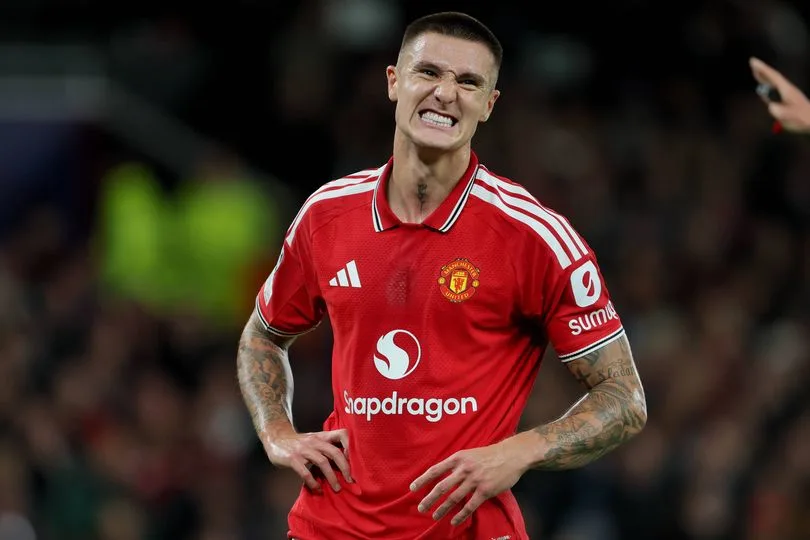
Manchester United suffer a major blow as striker Benjamin Sesko is expected to miss matches until January with a recurring shin injury
-
Politics3 years ago
13 Ondo Assembly Members Disown Endorsement of Aiyedatiwa
-
Politics3 years ago
APC Group, Ondo Govt, Quarrel Over Money for Endorsement
-

 Trending News5 years ago
Stop unsavoury, inciting statements – DSS warns
-

 Others5 years ago
Adron Homes Celebrates 10 Years Of Housing Excellence
-

 Humanity5 years ago
President Buhari Commiserates With Ambassador Maureen Tamuno Over The Loss Of Her Father
-

 Others7 years ago
EX- CUSTOMS BOSS, IBRAHIM MERA’S DWINDLING FAME
-

 Business3 years ago
Bigi Carbonated Soft Drinks Treats 40 Consumers to an Epic Easter Movie Hangout
-

 Business2 years ago
Wema Bank Shines at Global SME Finance Forum Conference Awards 2024 …Awarded: • SME Financier of the Year (Africa) • Platinum Award for Best Financier for Women Entrepreneurs (Africa)