
News
National Hospital Provides 457 Free Noma Surgeries for Children

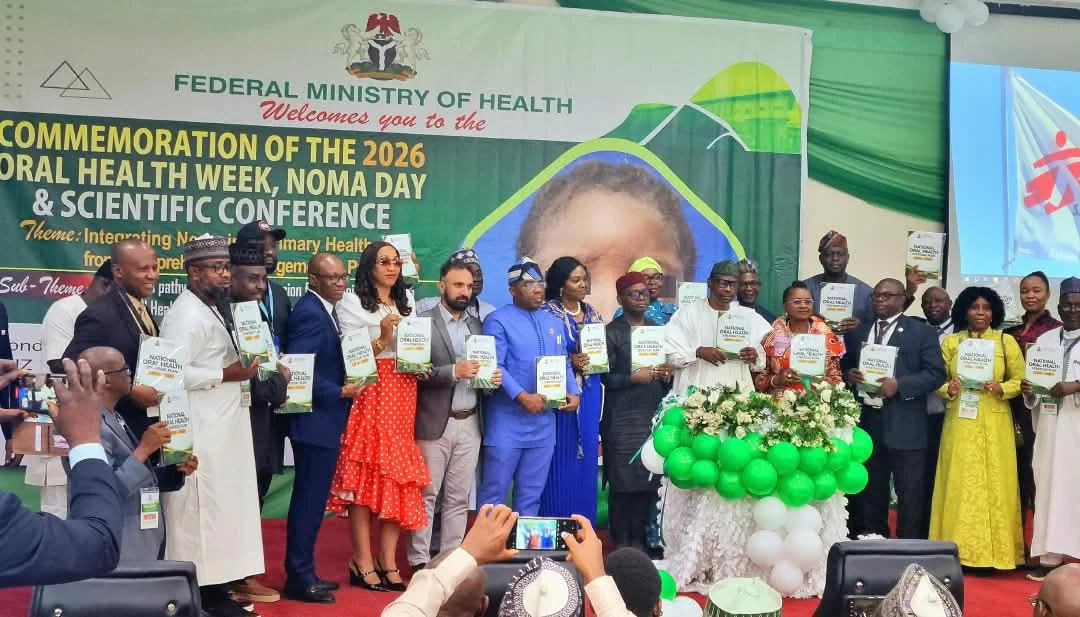
Free noma surgeries at National Hospital Abuja have reached 457 as doctors urge early detection of the disease threatening vulnerable children
The National Hospital Abuja’s Noma Centre has performed 457 free reconstructive surgeries on children affected by noma since its establishment, with 208 procedures carried out in 2026 alone, as health professionals intensify efforts to improve early diagnosis and treatment of the devastating disease.

The National Coordinator of the Noma Aid Nigeria Initiative, Dr Charles Ononiwu, disclosed the figures during the 2026 Oral Health Week, Noma Day and Scientific Conference in Abuja, according to a statement issued on Tuesday, November 10.
Also read:Babcock Confirms Student in Viral Hostel Video Is Alive
Ononiwu said the centre had treated 321 patients since its establishment and currently had more than 80 children receiving care.
He explained that the facility attended to an average of 82 patients monthly, providing specialised medical interventions to children whose families might otherwise struggle to afford complex reconstructive procedures.
The surgeon described noma as a rapidly progressing disease capable of destroying facial tissues within days if left untreated, warning that delayed medical attention could leave affected children with permanent physical and psychological consequences.
He urged parents and guardians to take complaints of mouth pain among young children seriously, particularly those between the ages of two and six, and seek immediate medical assessment.
“Make sure you maintain good oral hygiene for your children. If your child complains of pain in the mouth, please look for a hospital immediately,” Ononiwu advised.
He identified poor oral hygiene, severe malnutrition and weakened immunity as major factors associated with the development of the disease.
According to him, early diagnosis can significantly reduce the severity of noma, with treatment at the initial stage involving antibiotics, improved nutrition and appropriate oral healthcare.
However, children whose conditions have progressed to extensive facial damage may require complicated reconstructive procedures, which he said could cost between N7m and N10m.
The free treatment programme therefore provides an important lifeline for vulnerable families who might otherwise be unable to access specialised surgery.
Ononiwu encouraged families, healthcare workers and members of the public to report suspected cases through the initiative’s toll-free telephone line, assuring them that arrangements would be made to cover treatment, transportation and hospital expenses.
He said the centre’s approach extended beyond surgery, with a multidisciplinary team comprising plastic surgeons, ear, nose and throat specialists, paediatricians, clinical psychologists and other healthcare professionals providing comprehensive care.
The programme also incorporates education, psychological support and vocational training for affected children and their parents, recognising that recovery from noma often involves months of medical treatment and rehabilitation.
According to Ononiwu, the centre also receives patients from other African countries, including Mozambique and Burundi, reflecting its growing role in providing specialised care beyond Nigeria.
The initiative has equally introduced economic empowerment programmes to support vulnerable families, including the provision of business equipment and resources to establish small enterprises.
He disclosed that during 2026, the centre provided direct social assistance to 57 severe cases, enrolled 132 pupils in educational programmes and empowered 143 participants through specialised skills acquisition classes.
These interventions, he explained, were designed to address some of the social and economic conditions that increase children’s vulnerability to the disease.
The announcement came as the Federal Government unveiled a N70bn five-year National Strategic Plan for Oral Health covering 2026 to 2030.
The plan is intended to improve access to oral healthcare, strengthen preventive services and expand the treatment of oral diseases, including noma.
The Minister of State for Health, Adekunle Salako, said the funding would be jointly provided by the Federal Government, state and local governments, alongside development partners.
Under the proposed arrangement, state and local governments are expected to contribute 49 per cent of the funding, the Federal Government 30 per cent and development partners the remaining 21 per cent.
The strategy is also expected to strengthen the integration of oral healthcare into primary healthcare services, making preventive treatment and early diagnosis more accessible, particularly to vulnerable communities.
The World Health Organisation has similarly called for noma prevention, early detection and referral services to become part of routine primary healthcare.
The organisation has emphasised the importance of equipping frontline health workers to recognise early symptoms before the disease advances and causes irreversible tissue damage.
Speaking at the conference, the Director of Hospital Services at the Federal Ministry of Health and Social Welfare, Dr Adebimpe Adebiyi, called for stronger community-based prevention and awareness programmes.
Adebiyi also advocated incorporating noma awareness into school curricula, arguing that children, parents and teachers should be better informed about the disease and the importance of seeking treatment early.
She urged Nigerians to avoid discriminating against survivors, noting that the consequences of noma extend beyond physical injuries to include psychological distress and social exclusion.
The President of the Nigerian Dental Association, Dr Tope Adeyemi, also acknowledged the association’s contributions to strengthening oral healthcare delivery across the country.
The conference, organised by the Noma Centre Abuja in partnership with the Federal Ministry of Health and Social Welfare, brought together policymakers, medical professionals and development partners to examine progress in treatment, surgical interventions and public health advocacy.
A memorial lecture titled A Legacy of Healing and Hope: Celebrating a Life of Dedication to Children Affected by Noma also honoured the late Mama Ute Winkler-Stumpf, who lived from 1943 to 2020.
Winkler-Stump founded Hilfsaktion NOMA E.V., a humanitarian organisation whose work supported the treatment and rehabilitation of children affected by the disease.
Noma, also known as cancrum oris, is a severe non-communicable gangrenous disease that primarily affects young children, particularly those living in extreme poverty and experiencing malnutrition and poor oral hygiene.
The infection commonly begins in the gums before spreading rapidly to destroy soft and hard tissues around the mouth and face.
Survivors can experience severe facial disfigurement, difficulties with eating and speaking, and lasting psychological and social challenges.
The World Health Organisation added noma to its list of neglected tropical diseases in December 2023, following advocacy led by Nigeria and supported by 32 member states.
The recognition was intended to increase international attention, research, funding and access to prevention and treatment.
Further highlighting the scale of the challenge, a July 2026 study published in The Lancet Global Health estimated that Nigeria recorded 50,782 noma cases across 296 local government areas in 12 states between 1999 and 2024.
The findings underscored the need for stronger disease surveillance, targeted community interventions and improved access to early medical care.
Although the 457 free reconstructive surgeries represent a significant treatment milestone, health professionals say preventing the disease from reaching advanced stages remains essential.
Also read:Babcock Confirms Student in Viral Hostel Video Is Alive
For affected children and their families, timely diagnosis, accessible treatment and sustained rehabilitation can make a profound difference, offering an opportunity to recover not only physical function but also dignity and social inclusion.



Platform College wins The Encounter 2026 AI debate in Lagos, taking home ₦500,000 as Ali Baba discusses AI’s impact on Africa’s creative economy
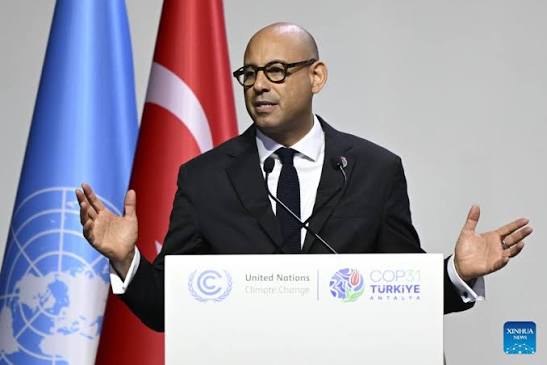
The 31st UN climate conference is under way in Antalya, Turkey, with TheCable’s Janefrances Chibundu reporting on negotiations and their meaning for Nigeria and Africa
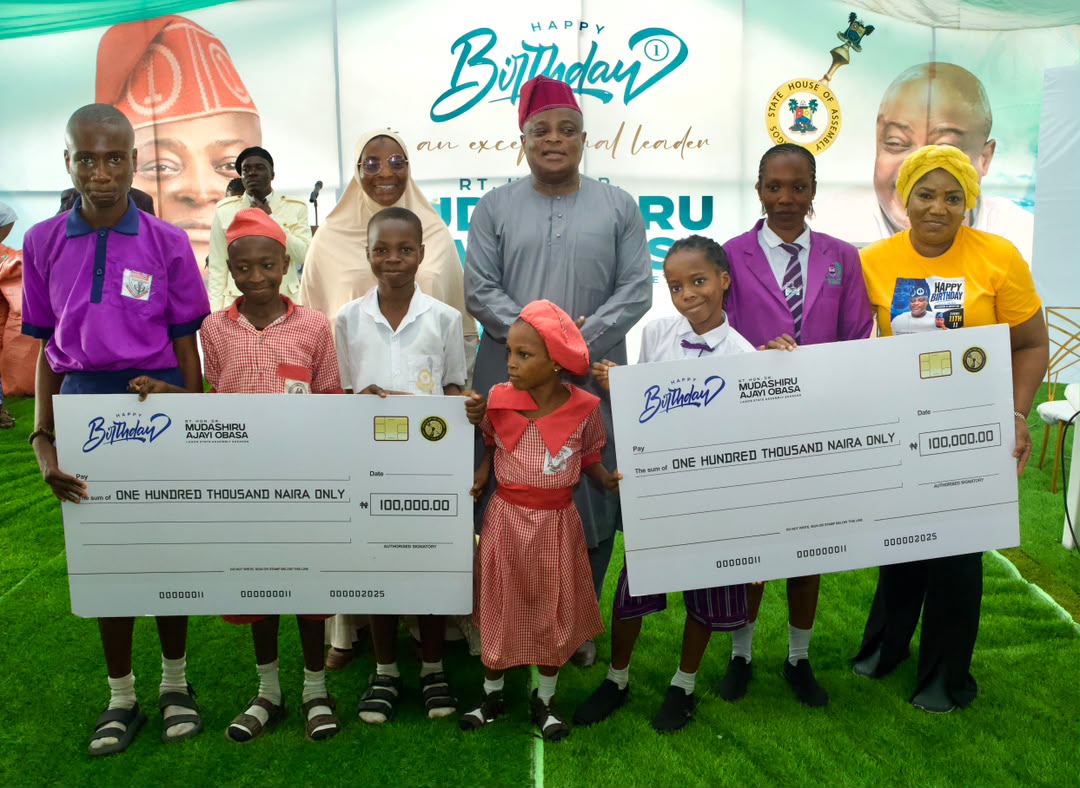
Lagos Speaker Mudashiru Obasa announces ₦50m cash support for 500 public school students, with each beneficiary receiving ₦100,000
-
Politics3 years ago
13 Ondo Assembly Members Disown Endorsement of Aiyedatiwa
-
Politics3 years ago
APC Group, Ondo Govt, Quarrel Over Money for Endorsement
-

 Trending News6 years ago
Stop unsavoury, inciting statements – DSS warns
-

 Others5 years ago
Adron Homes Celebrates 10 Years Of Housing Excellence
-

 Humanity5 years ago
President Buhari Commiserates With Ambassador Maureen Tamuno Over The Loss Of Her Father
-

 Others7 years ago
EX- CUSTOMS BOSS, IBRAHIM MERA’S DWINDLING FAME
-

 Business3 years ago
Bigi Carbonated Soft Drinks Treats 40 Consumers to an Epic Easter Movie Hangout
-

 Business2 years ago
Wema Bank Shines at Global SME Finance Forum Conference Awards 2024 …Awarded: • SME Financier of the Year (Africa) • Platinum Award for Best Financier for Women Entrepreneurs (Africa)