
health
Gombe Plans N3.6bn Hospital for Billiri

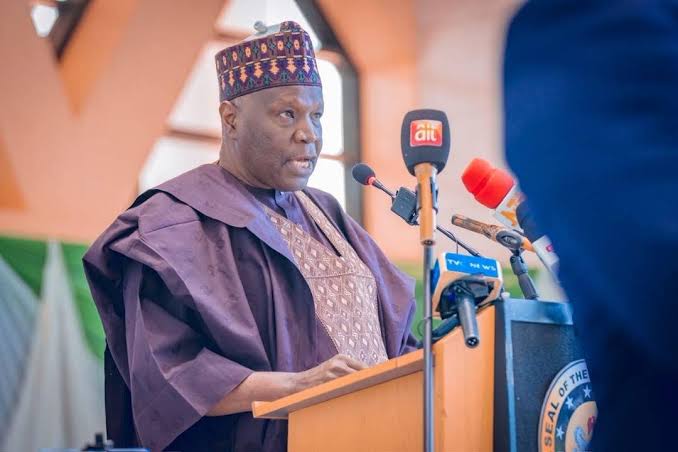
Gombe plans a N3.6bn hospital in Billiri as Governor Inuwa Yahaya moves to strengthen healthcare delivery and improve access to medical services
Gombe State Governor, Muhammadu Inuwa Yahaya, has announced plans to construct a N3.6 billion general hospital in Billiri Local Government Area as part of efforts to improve healthcare delivery and expand access to medical services across the state.
Also read:Makinde Appoints Eight to Fill Vacant Oyo Positions

Yahaya disclosed this during a courtesy visit to the Mai Tangle, Malam Danladi Sanusi-Maiyamba, at his palace in Billiri, while leading members of the Gombe State All Progressives Congress (APC) Campaign Council on a political tour of the local government area.
The governor said the proposed hospital was in response to longstanding demands by residents of the community, assuring them that construction would commence soon.
He explained that the facility would complement existing investments in primary healthcare centres across the wards of Billiri, as well as the Federal Orthopaedic Hospital approved for the area by President Bola Tinubu.
According to Yahaya, the planned federal medical institution would further expand access to specialised healthcare, particularly for patients requiring advanced medical attention and treatment for complex health conditions.
The governor also highlighted his administration’s achievements in education, healthcare, infrastructure and other critical sectors, attributing the progress recorded in the state to the prevailing peace and security.
Speaking on the country’s economic situation, Yahaya acknowledged the hardship associated with President Tinubu’s economic reforms but described the policies as necessary decisions that previous administrations had failed to implement over several decades.
He expressed optimism that sustained commitment to the reforms would eventually produce positive results, urging Nigerians to remain patient and supportive of the government’s economic direction.
Yahaya also appealed to the Mai Tangle and residents of Billiri to support Tinubu and other APC candidates in the 2027 general elections, assuring them that his successor would sustain the development programmes initiated by his administration.
Responding, the traditional ruler commended the governor and the state government for their development efforts, particularly their interventions in maintaining peace and security in Billiri.
Also read:Makinde Appoints Eight to Fill Vacant Oyo Positions
Sanusi-Maiyamba also prayed for continued peace and stability in Billiri and Gombe State before, during and after the 2027 general elections.


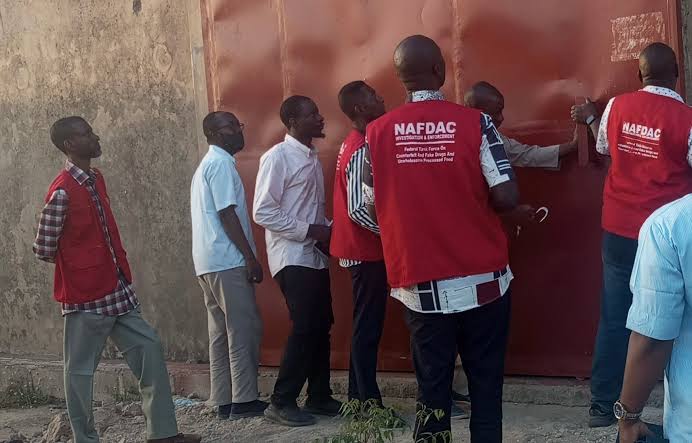
NAFDAC has uncovered nearly 11,400 cartons of banned agrochemicals, including Paraquat products, in Kano warehouses, raising fresh concerns about food safety and regulatory enforcement
FCCPC orders producers to comply with food fortification standards after a survey found inadequately fortified vegetable oil and salt in Nigerian markets
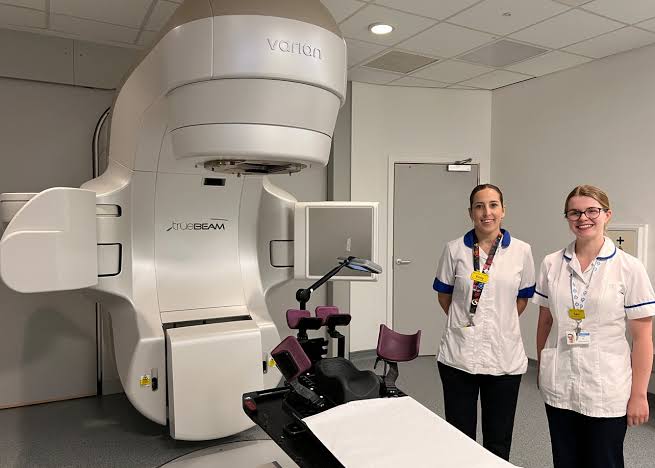
The UK is testing five-day breast cancer radiotherapy in a major trial that could reduce hospital visits and treatment costs for patients
The United Kingdom has launched a major clinical trial involving more than 1,000 participants to determine whether breast cancer radiotherapy can be shortened from three weeks to five days without compromising its effectiveness in preventing the disease from returning.
Also read: Grey CEO Urges Africa to Ditch Dollar for Trade
The government-funded FAST-Forward Boost trial, being conducted at 39 hospitals across the UK, will investigate whether a shorter course of radiotherapy combined with an additional targeted dose, known as a boost, can provide effective treatment for patients following breast cancer surgery.
The UK Department of Health and Social Care announced the development on Friday, October 30, describing the study as part of efforts to improve cancer treatment and make care more convenient for patients.
Led by the Institute of Cancer Research in London and funded by the National Institute for Health and Care Research, the study aims to recruit 4,830 participants by 2028.
Those enrolled will be followed up for five years, with results expected in 2033.
If the approach proves successful, it could reduce the number of hospital visits required by patients, potentially saving them 10 journeys compared with the existing three-week treatment schedule.
The department said the shorter schedule could also reduce transport expenses and the time patients spend away from work and family.
It could additionally ease pressure on the National Health Service by freeing up radiotherapy capacity for other patients.
Health and Social Care Secretary Yvette Cooper said the trial reflected the country’s efforts to use medical research to improve cancer care.
“This trial shows how the UK is using our world beating research capabilities to pursue huge improvements and transformations in cancer treatment for patients,” she said.
Why the radiotherapy trial matters
Radiotherapy uses carefully targeted radiation to destroy cancer cells or prevent them from growing.
For many people with breast cancer, it is recommended after surgery to reduce the risk of the disease returning in the treated area.
A treatment boost involves delivering an additional dose of radiation to the area considered to have a higher risk of recurrence, usually the site where the tumour was removed.
The FAST-Forward Boost trial is examining how this additional treatment can be incorporated into a shorter schedule.
Reducing treatment from three weeks to five days could make a considerable difference to patients who must travel regularly to hospitals.
The impact may be particularly significant for people living far from specialist cancer centres, those with limited transport options and patients balancing treatment with employment or family responsibilities.
However, the trial is designed to establish whether the shorter approach is effective and safe for the patients being studied. Its results will be important in determining whether the treatment schedule can become a wider option in clinical practice.
UK expands breast cancer screening efforts
The announcement comes as the British government intensifies efforts to improve breast cancer screening, encourage early diagnosis and strengthen support for patients.
The Department of Health and Social Care said screening uptake among women receiving their first invitation had risen to 63.6 per cent, its highest level in a decade.
Despite the improvement, around four in 10 women invited for their first screening appointment still do not attend.
The government is also working with the National Institute for Health and Care Research and NHS England on studies examining how artificial intelligence could support the analysis of mammograms.
The technology is being explored as a way to assist the assessment of breast screening images, although its role and effectiveness must be established through appropriate research and clinical evaluation.
In addition, the government has partnered with breast cancer charity Breast Cancer Now for three years to help women recognise symptoms, find reliable information and access support after treatment.
Together, the initiatives reflect a broader approach to breast cancer care, combining screening, research into treatment improvements and support for people living with the disease.
Also read: Grey CEO Urges Africa to Ditch Dollar for Trade
For now, the five-day radiotherapy approach remains under investigation. With final results not expected until 2033, the FAST-Forward Boost trial will need to establish whether reducing treatment time can deliver comparable cancer control while maintaining patient safety.
-
Politics3 years ago
13 Ondo Assembly Members Disown Endorsement of Aiyedatiwa
-
Politics3 years ago
APC Group, Ondo Govt, Quarrel Over Money for Endorsement
-

 Trending News6 years ago
Stop unsavoury, inciting statements – DSS warns
-

 Others5 years ago
Adron Homes Celebrates 10 Years Of Housing Excellence
-

 Humanity5 years ago
President Buhari Commiserates With Ambassador Maureen Tamuno Over The Loss Of Her Father
-

 Others7 years ago
EX- CUSTOMS BOSS, IBRAHIM MERA’S DWINDLING FAME
-

 Business3 years ago
Bigi Carbonated Soft Drinks Treats 40 Consumers to an Epic Easter Movie Hangout
-

 Business2 years ago
Wema Bank Shines at Global SME Finance Forum Conference Awards 2024 …Awarded: • SME Financier of the Year (Africa) • Platinum Award for Best Financier for Women Entrepreneurs (Africa)