
News
Protesters march over Awujale throne in Ijebu Ode


A peaceful protest erupted in Ijebu Ode over alleged imposition of the next Awujale, amid halted traditional selection processes and rising tensions

A peaceful protest broke out in Ijebu Ode on Friday over alleged plans to impose the next Awujale and Paramount Ruler of Ijebuland. Residents marched through Awujale Palace Road towards the Ijebu Ode Local Government Secretariat to express displeasure with the ongoing developments.
Also read: Speaker Obasa Mourns Awujale as Yoruba Nation Bids Farewell
The unrest coincides with traditional procedures surrounding Awujale nominations following the death of Oba Sikiru Adetona in 2025.
On Monday, the Fusengbuwa ruling house submitted the names of princes and a princess eligible for consideration by the kingmakers.
However, the Ogun State government on Wednesday ordered that the selection process be halted until further notice.
The directive, signed by Commissioner for Local Government and Chieftaincy Affairs Ganiyu Hamzat, cited numerous petitions from security agencies and stakeholders.
The government emphasised the need to maintain public order, safeguard the integrity of the process, and preserve the veneration of the vacant Awujale stool.
The government had initially suspended the selection process on 18 December 2025, after identifying procedural errors that could lead to legal disputes over the installation of a new Awujale. Prof. Fassy Yusuf, Vice Chairman of the Fusengbuwa Ruling House, confirmed that the prior process was cancelled to prevent potential litigation.
Also read: Senator Daniel Mourns Awujale After 65 Years of Royal Leadership
The demonstration in Ijebu Ode reflects growing public concern over the transparency and fairness of the traditional succession process, as residents demand adherence to due procedures in selecting the next paramount ruler.


Danielle Adewusi is crowned Miss Universe Nigeria 2026 after defeating 19 delegates in Lagos, earning the chance to represent Nigeria in Mexico (more…)
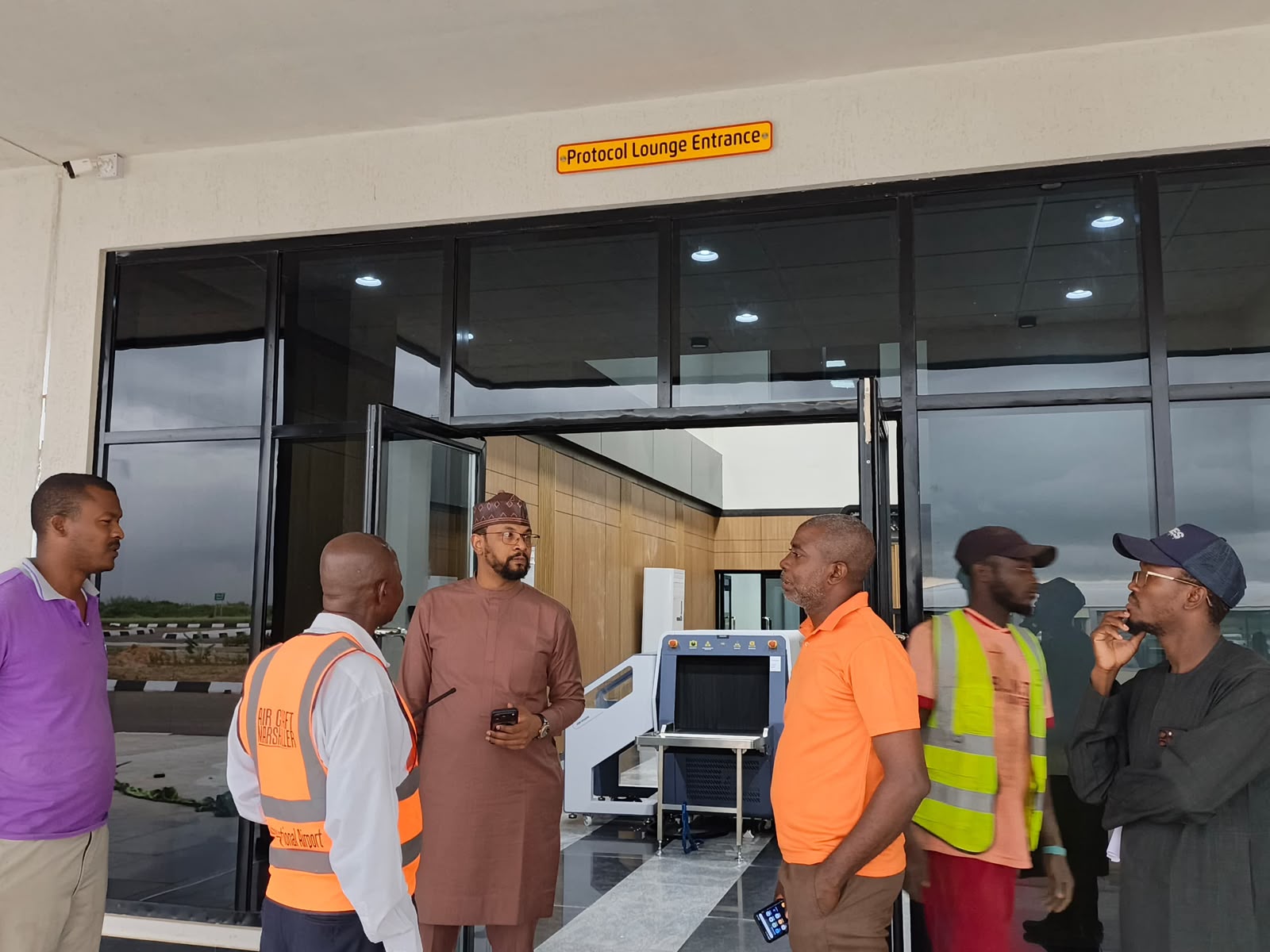
Gusau International Airport internet deployment begins ahead of October 1 commercial operations, with free connectivity planned for passengers and staff

-
Politics3 years ago
13 Ondo Assembly Members Disown Endorsement of Aiyedatiwa
-
Politics3 years ago
APC Group, Ondo Govt, Quarrel Over Money for Endorsement
-

 Trending News5 years ago
Stop unsavoury, inciting statements – DSS warns
-

 Others5 years ago
Adron Homes Celebrates 10 Years Of Housing Excellence
-

 Humanity5 years ago
President Buhari Commiserates With Ambassador Maureen Tamuno Over The Loss Of Her Father
-

 Others7 years ago
EX- CUSTOMS BOSS, IBRAHIM MERA’S DWINDLING FAME
-

 Business2 years ago
Bigi Carbonated Soft Drinks Treats 40 Consumers to an Epic Easter Movie Hangout
-

 Business2 years ago
Wema Bank Shines at Global SME Finance Forum Conference Awards 2024 …Awarded: • SME Financier of the Year (Africa) • Platinum Award for Best Financier for Women Entrepreneurs (Africa)