
News
INEC to Test BVAS in 598 Delta Polling Units Ahead of 2027 Elections

INEC BVAS mock election will cover 598 Delta polling units on November 28 to test accreditation, result uploads and election readiness for 2027.

The Independent National Electoral Commission (INEC) has scheduled a mock election in 598 polling units across Delta State for November 28, 2026, to test its Bimodal Voter Accreditation System (BVAS) and electronic result transmission processes ahead of the 2027 general elections.
The Delta State Resident Electoral Commissioner, Sir Etekamba Umoren, announced the exercise on Friday, November 20, during a press briefing in Asaba, explaining that the exercise would help the commission identify and resolve potential technical problems before the actual polls.
Also read: NSCDC to Deploy Undercover Officers for 2027 Elections
According to Umoren, the assessment will determine whether the commission’s electoral equipment and systems have been properly configured to handle voter accreditation and the electronic upload of polling unit results to the INEC Result Viewing Portal (IReV).
He said the exercise would provide an opportunity to identify possible technical weaknesses and address them before the 2027 elections.
“It is for us to look at whether we have properly set the system to work that way. If there is any technical issue, that will be corrected,” Umoren said.
He added that the exercise would help the commission establish whether its systems were ready for the demands of the forthcoming general elections.
The REC clarified that the mock exercise was not an actual election and would not involve the declaration of winners or losers.
Instead, it is designed to evaluate INEC’s operational readiness and the performance of its electoral technology.
INEC had earlier announced the exercise in a statement dated November 17, signed by its Administrative Secretary, Davis O. Eldred, urging eligible voters in the selected polling units to participate.
The selection covers two polling units in each of the state’s 299 registration areas across its 25 local government areas.
Explaining the arrangement, Umoren said: “We have 25 local government areas and 299 registration areas, otherwise called wards. If you multiply 299 by two, it gives you 598 polling units. That is how we arrived at the 598 polling units.”
Beyond testing BVAS, the exercise will assess the preparedness of electoral officials, the handling of election materials, voter accreditation procedures, result management and logistical arrangements.
Registered voters assigned to the selected polling units are expected to present their Permanent Voter Cards (PVCs) for accreditation during the exercise.
INEC has also directed electoral officers across the local government areas to engage community stakeholders and communicate details of the selected polling units to residents.
The exercise will begin with the opening of polling units at 7:30 am, while accreditation will run from 8 am to 2:30 pm.
Umoren called on political parties, security agencies, civil society organisations, community leaders and the media to support the exercise and encourage peaceful participation.
He said the findings would help the commission identify operational gaps, improve staff performance and strengthen its preparations for the 2027 elections.
The planned exercise comes as INEC intensifies preparations for the next general elections, with the reliability of voter accreditation and electronic result management remaining important issues in public discussions about electoral credibility.
BVAS is used to verify voters’ identities and authenticate their eligibility during accreditation, while the IReV portal provides a platform for viewing uploaded polling unit result sheets.
However, electronic transmission and public viewing of results are distinct processes.
The mock exercise is expected to help INEC assess the technical performance of the relevant systems and identify areas requiring improvement.
Also read: NSCDC to Deploy Undercover Officers for 2027 Elections
The November 28 exercise will therefore provide an important opportunity for the commission to test its preparations under field conditions before deploying the systems for the 2027 general elections.



Nigeria passport production is set to reach six million booklets annually by May 2027, with plans to expand capacity and serve the ECOWAS market.
NSCDC election monitoring plans for 2027 include undercover officers, refresher training and enhanced security collaboration with INEC in the FCT.
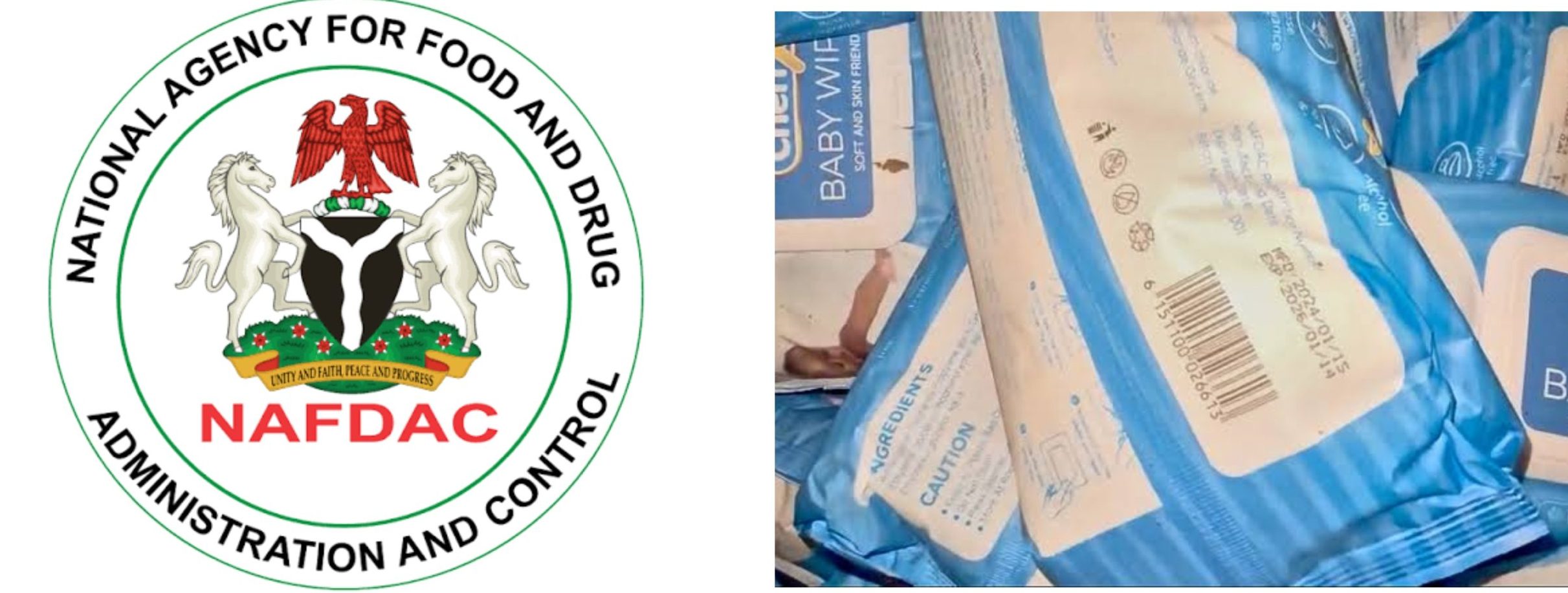
NAFDAC uncovers expired baby diapers in Lagos, including products dating back to 2022, alongside unregistered baby wipes and medical supplies.
-
Politics3 years ago
13 Ondo Assembly Members Disown Endorsement of Aiyedatiwa
-
Politics3 years ago
APC Group, Ondo Govt, Quarrel Over Money for Endorsement
-

 Trending News6 years ago
Stop unsavoury, inciting statements – DSS warns
-

 Others5 years ago
Adron Homes Celebrates 10 Years Of Housing Excellence
-

 Humanity5 years ago
President Buhari Commiserates With Ambassador Maureen Tamuno Over The Loss Of Her Father
-

 Others7 years ago
EX- CUSTOMS BOSS, IBRAHIM MERA’S DWINDLING FAME
-

 Business3 years ago
Bigi Carbonated Soft Drinks Treats 40 Consumers to an Epic Easter Movie Hangout
-

 Business2 years ago
Wema Bank Shines at Global SME Finance Forum Conference Awards 2024 …Awarded: • SME Financier of the Year (Africa) • Platinum Award for Best Financier for Women Entrepreneurs (Africa)