
Trending News
Insecurity: IGP vows to restore public confidence in Police

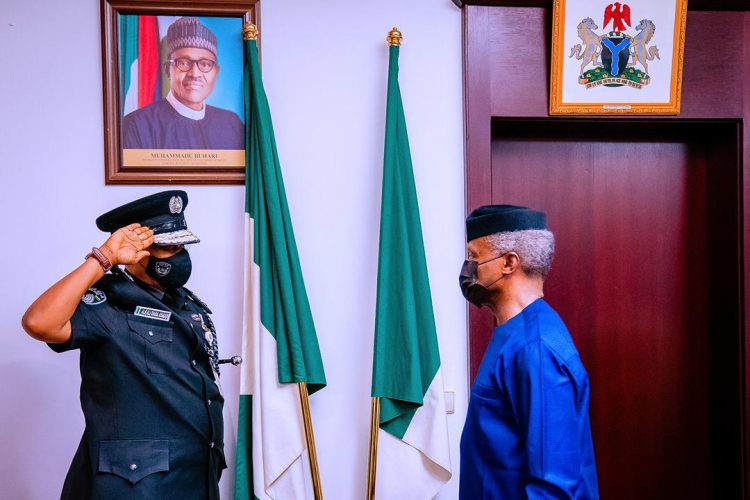
The acting Inspector-General of Police (IGP), Usman Baba, has assured Nigerians that new strategies will be deployed to restore order and public confidence in the force.

He made this disclosure after assessing the current security situation in the country, the police helmsman directed the immediate reform of the IGP Monitoring Unit (IMU), which included the disbandment of the satellite offices in Lagos and Port Harcourt.
Baba spoke yesterday at the inaugural conference with strategic commanders of the Nigeria Police Force (NPF) at the peace Keeping Hall, Force Headquarters, Abuja.
He also disclosed that policing framework being envisioned under his leadership will address the fundamental issues that impact optimal professional service delivery, a break away from the traditional policing approaches.
Speaking further, he explained that it would also lift the force into modernity, restore citizens’ trust, and re-position the force to address the fear of crime as well as tackle prevalent threats in the most civil but effective manner, in fulfillment of expectations of citizens.
“The recent pattern and trend of crime, which clearly indicates an increasing threat to internal security by terror elements, kidnappers, armed robbery syndicates, and arms traffickers constitute major challenges to our nation and the police.
“This trend is being compounded by a growing separatist agenda, which has assumed an alarming dimension in which personnel and assets of NPF, military, and other security agencies are being constantly targeted in clearly well-coordinated, pre-meditated violent attacks in the southeast geopolitical zone,” he stated.
As the lead agency in internal security, the IGP added, the task of rolling back this unacceptable security tide rests primarily with the citizens.
“Hence, there is no better time for us to re-order our policing vision, re-evaluate our strategies, close the trust gap between us and the citizens and re-position the police institution, all with a view to re-energise our crime-fighting orientation,” he said, noting that the conference was meant to critically engage all the issues.
Baba indicated that his Policing Mission shall be ‘To restore police primacy and bequeath the nation a modernised, citizen-led, rule of law-guided, and professional police force that Nigerians can truly trust and depend on to achieve the Policing Mandate enshrined in Sections 4 and 5 of the Nigeria Police Act, 2020.’
“Similarly, our Policing Vision is to restore police primacy in the internal security architecture of the country by engaging cutting-edge policing technology and integrating intelligence-led policing practices,” he added.



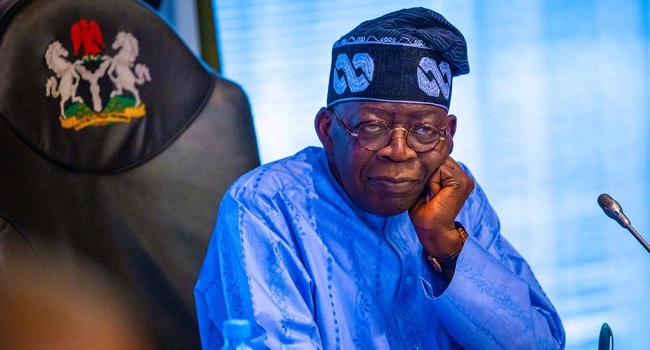
Tinubu audit targets ghost workers and fake agencies as Nigeria confronts costly gaps in payroll, budgets and public-sector governance
News
URGENT APPEAL FOR SUPPORT FOR H.E. ADEBOWALE (DEBO) ADESINA, FORMER NIGERIAN AMBASSADOR TO TOGO.

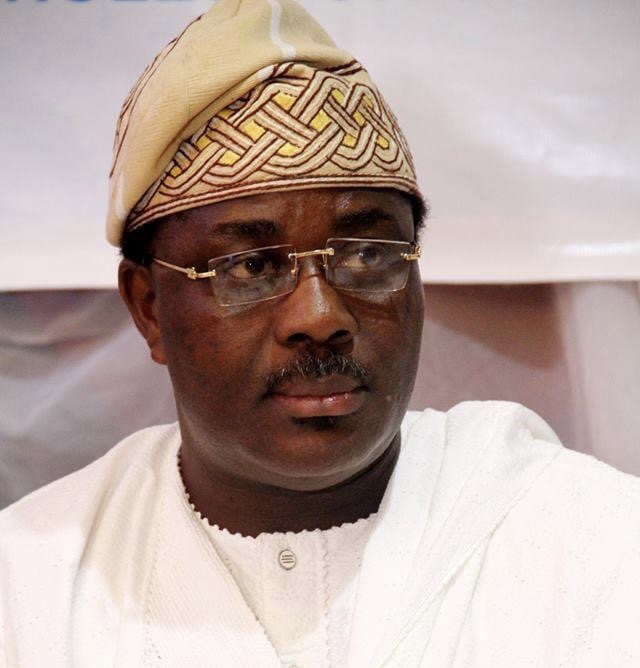
The former Nigerian envoy to Togo has remained hospitalised in Canada after suffering a massive stroke, with outstanding medical bills exceeding CAD $205,000
-
Politics3 years ago
13 Ondo Assembly Members Disown Endorsement of Aiyedatiwa
-
Politics3 years ago
APC Group, Ondo Govt, Quarrel Over Money for Endorsement
-

 Trending News5 years ago
Stop unsavoury, inciting statements – DSS warns
-

 Others5 years ago
Adron Homes Celebrates 10 Years Of Housing Excellence
-

 Humanity5 years ago
President Buhari Commiserates With Ambassador Maureen Tamuno Over The Loss Of Her Father
-

 Others7 years ago
EX- CUSTOMS BOSS, IBRAHIM MERA’S DWINDLING FAME
-

 Business2 years ago
Bigi Carbonated Soft Drinks Treats 40 Consumers to an Epic Easter Movie Hangout
-

 Business2 years ago
Wema Bank Shines at Global SME Finance Forum Conference Awards 2024 …Awarded: • SME Financier of the Year (Africa) • Platinum Award for Best Financier for Women Entrepreneurs (Africa)