
Oil and Gas
Julius Rone Shines at Nigerian Oil and Gas Forum Awards

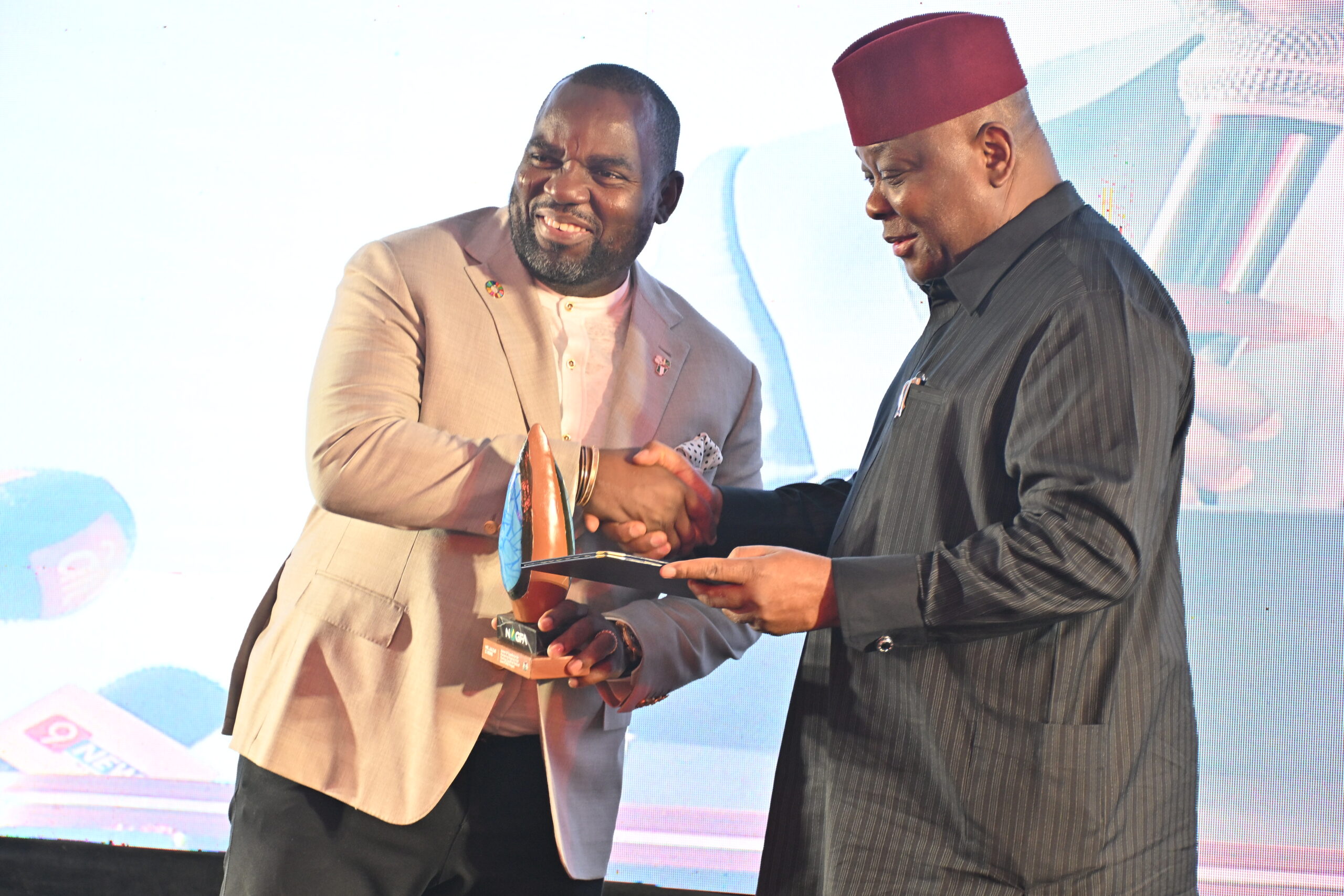

The Group Managing Director and CEO of UTM Offshore Limited (UTMOL) Julius Rone, OFR, is often likened to a fine wine that improves with age; an analogy that captures the essence of his remarkable career in the Nigerian energy industry.
Just as some wines become more appealing and sought-after over time, Rone has grown in stature and influence with each passing year of his extensive career.
His path to success includes series of ventures that have significantly contributed to the region’s business growth. Surely, the strings of industry awards that litter his ornate office and home serve as testament of his success story in the sector.
Again, last Thursday the gas guru, fondly called King of gas by friends and admirers, was honoured at the Ladi Kwali Hall, Abuja Abuja Intercontinental Hotel, by the Nigeria Oil and Gas Forum.
The award recognizes a trailblazer whose vision, dedication, and innovation continue to redefine excellence in the industry.
Now in its second edition, the prestigious event attracted industry leaders, investors, regulators, and captains of industry, all gathered to celebrate the outstanding contributions shaping Nigeria’s energy landscape.
Organisers expressed pride in recognizing the trailblazers whose achievements embody the spirit of excellence and innovation.
Speaking on behalf of Engr Gbenga Komolafe (NUPRC), Dr. Kelechi Ofebu, executive commissioner, corporate service of the Commission emphasized the crucial role of the oil and gas industry in addressing national challenges.
He highlighted its impact on economic growth and development, reaffirming the importance of celebrating those driving positive change.
At the event, outstanding individuals were honored with various award categories for their significant contributions to the growth and development of the oil and gas industry, as well as other key sectors of the economy.
Others awardees in attendance were the Chief Executive Officer (MD/CEO) of the Oil and Gas free Zones Authority,(OGFZA), Bamanga Jada Usman, Engr Gbenga Komolafe, Chief executive Nigerian Upstream Petroleum Regulatory Commission (NUPRC), among others.
A key highlight of the evening was the official launch of Energy Express Magazine, a new publication dedicated to spotlighting the achievements of regulators, industry players, and investors in the oil and gas sector.
Speaking during the unveiling, Rone emphasized that Energy Express Magazine will serve as a powerful platform to showcase and celebrate the achievements of individuals who have excelled in the oil and gas industry.
Industry experts and stakeholders at the event emphasized the need for continued investment in the oil and gas sector, calling for policy reforms, infrastructure development, and value-added initiatives to sustain growth and global competitiveness.
The Nigerian Oil and Gas Awards Night once again reinforced its status as a platform for recognition, innovation, and strategic collaboration, setting the tone for a brighter, more sustainable future in Nigeria’s energy sector.



Malabu Oil and Gas dispute escalates as the company demands correction and apology over alleged inaccuracies in The Africa Report OPL 245 story
-
Politics3 years ago
13 Ondo Assembly Members Disown Endorsement of Aiyedatiwa
-
Politics3 years ago
APC Group, Ondo Govt, Quarrel Over Money for Endorsement
-

 Trending News5 years ago
Stop unsavoury, inciting statements – DSS warns
-

 Others5 years ago
Adron Homes Celebrates 10 Years Of Housing Excellence
-

 Humanity5 years ago
President Buhari Commiserates With Ambassador Maureen Tamuno Over The Loss Of Her Father
-

 Others7 years ago
EX- CUSTOMS BOSS, IBRAHIM MERA’S DWINDLING FAME
-

 Business2 years ago
Bigi Carbonated Soft Drinks Treats 40 Consumers to an Epic Easter Movie Hangout
-

 Business2 years ago
Wema Bank Shines at Global SME Finance Forum Conference Awards 2024 …Awarded: • SME Financier of the Year (Africa) • Platinum Award for Best Financier for Women Entrepreneurs (Africa)