
Politics
Sanwo-Olu Hails Lagos APC Election Victory as People’s Confidence


Lagos APC election victory praised by Sanwo-Olu, who calls it a strong sign of public trust. APC wins all 57 chairmanship seats and 375 councillorships

Governor Babajide Sanwo-Olu has praised the Lagos APC election victory, calling it a strong reflection of public trust in the party’s leadership and vision.
Also read: Supreme Court Judgment On Sanwo-Olu ‘s Victory : Lagos Is Blessed At Such A Time “ Bestman Nze -Jumbo
The All Progressives Congress (APC) won all 57 chairmanship seats and secured 375 out of 376 councillorship positions in the 12 July local government elections.
In a statement issued on Sunday, Sanwo-Olu congratulated the party and its supporters for what he described as a “resounding victory” across the state’s Local Government Areas and Local Council Development Areas.
“This result is a clear affirmation of the trust and confidence the good people of Lagos have in the APC’s vision, leadership, and steadfast commitment to inclusive development at the grassroots,” said the governor.
He congratulated the newly elected chairmen and councillors and reminded them of the weight of responsibility their offices carry.
“Your responsibility is to deliver good governance, uplift your communities, and promote the welfare of every resident—regardless of political affiliation,” he said.
Also read: Sanwo-Olu’s Aide On DAWN Pays Working Visit To Commission, Assures Of Lagos State Supports
Sanwo-Olu urged the new officials to lead with humility and compassion while upholding transparency. He also reached out to aspirants who lost out during the primaries, commending their courage and urging unity within the party.


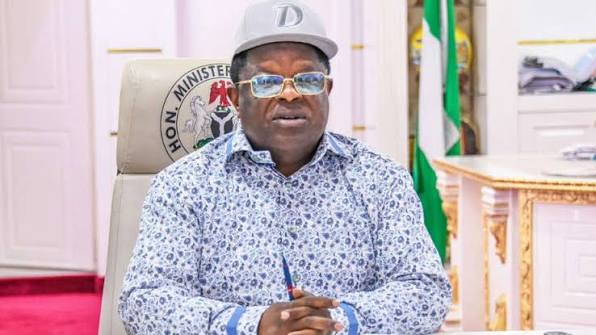
David Umahi predicts a South-East voting shift in 2027, citing Tinubu’s infrastructure projects and appointments across the region
Minister of Works David Umahi has predicted that voters in the South-East will support President Bola Tinubu differently in the 2027 presidential election, arguing that federal infrastructure projects and political appointments have changed the region’s relationship with the administration.
Also read: FG to immortalise Nigerian soldiers killed in Liberia, Sierra Leone
Umahi made the prediction in an interview with ARISE News published on Friday, describing the region’s overwhelming support for Labour Party candidate Peter Obi in the 2023 election as an “accident of history”.
He attributed the voting pattern to anger over what he described as the region’s marginalisation under the previous administration.
“In 2023, it was an accident of history. It was a demonstration of the anger of the people of South East on how they were treated,” he said.
The former Ebonyi State governor added that he believed the situation had changed under Tinubu.
“We’ve been marginalised in the past, but it’s no longer so,” Umahi said.
“If in 2023 they demonstrated their anger, in 2027 they are going to demonstrate their joy on how the President has treated them,” he added.
The minister said federal road projects and other investments in the South-East were reasons voters might reconsider their political choices in 2027.
He also claimed that serving and former governors, traditional rulers and other influential figures in the region were increasingly aligning with Tinubu.
Umahi argued that voters would be reluctant to abandon what he described as infrastructure gains for another political “gamble”.
However, his prediction reflects his own assessment of the region’s political mood.
The interview did not establish how voters currently intend to vote in 2027.
Umahi rejected suggestions that South-East political leaders supporting Tinubu were betraying the region or Obi, arguing that the region’s political interests should not be permanently tied to one candidate.
He also criticised social media supporters who insult regional leaders for backing the President, saying such attacks would not advance Obi’s political interests or those of the South-East.
The minister maintained that the region needed to negotiate and build alliances with other parts of Nigeria if it hoped to produce a president in the future.
Asked whether he believed Tinubu would defeat Obi in the South-East in 2027, Umahi responded confidently: “Why do you say I believe? That is what is going to happen!”
Also read: FG to immortalise Nigerian soldiers killed in Liberia, Sierra Leone
His comments come as political alignments and debates over regional representation begin to shape discussions ahead of the 2027 general election.

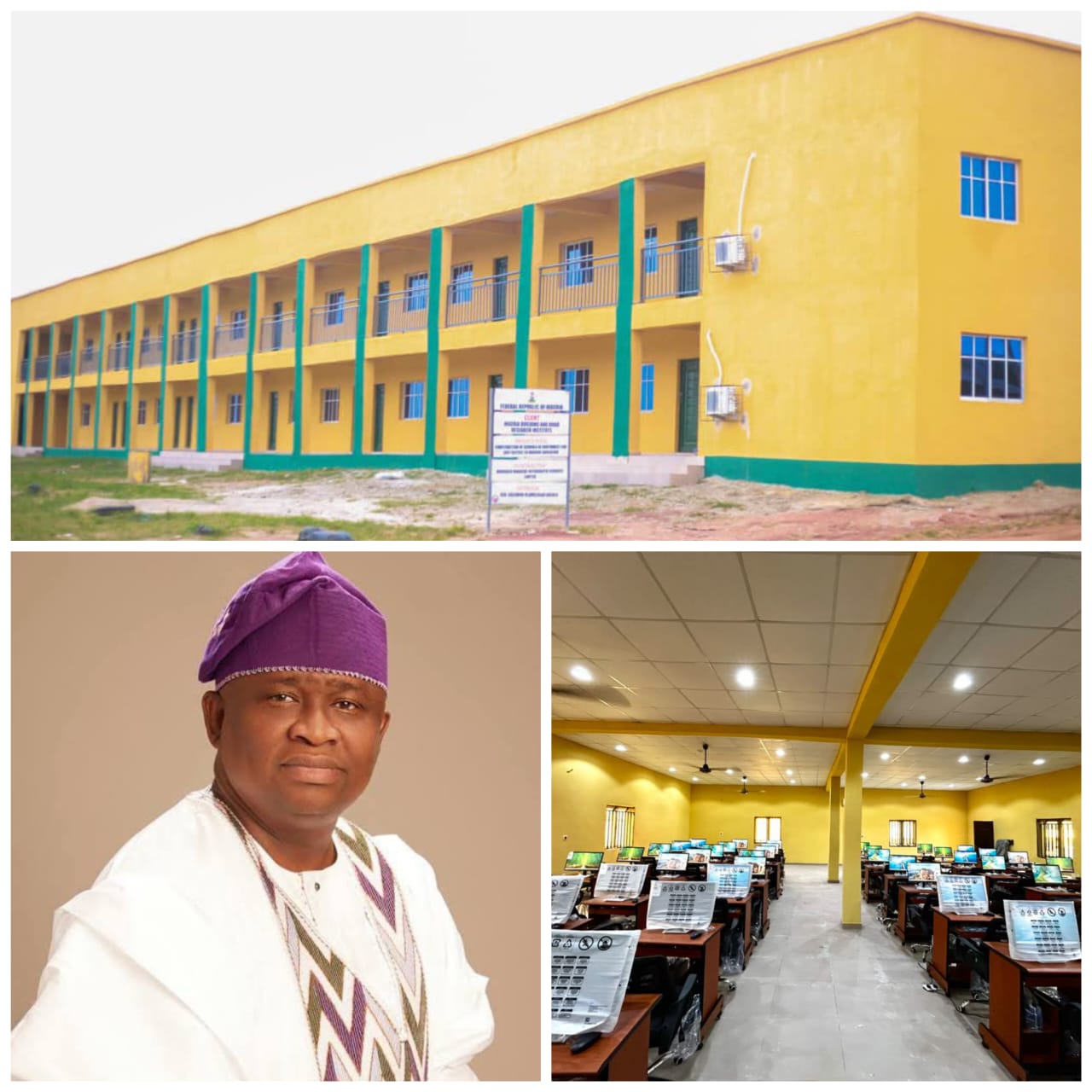
Senator Solomon Adeola delivers a 12-classroom block and an ICT centre to two Ogun schools to improve learning and access to digital education
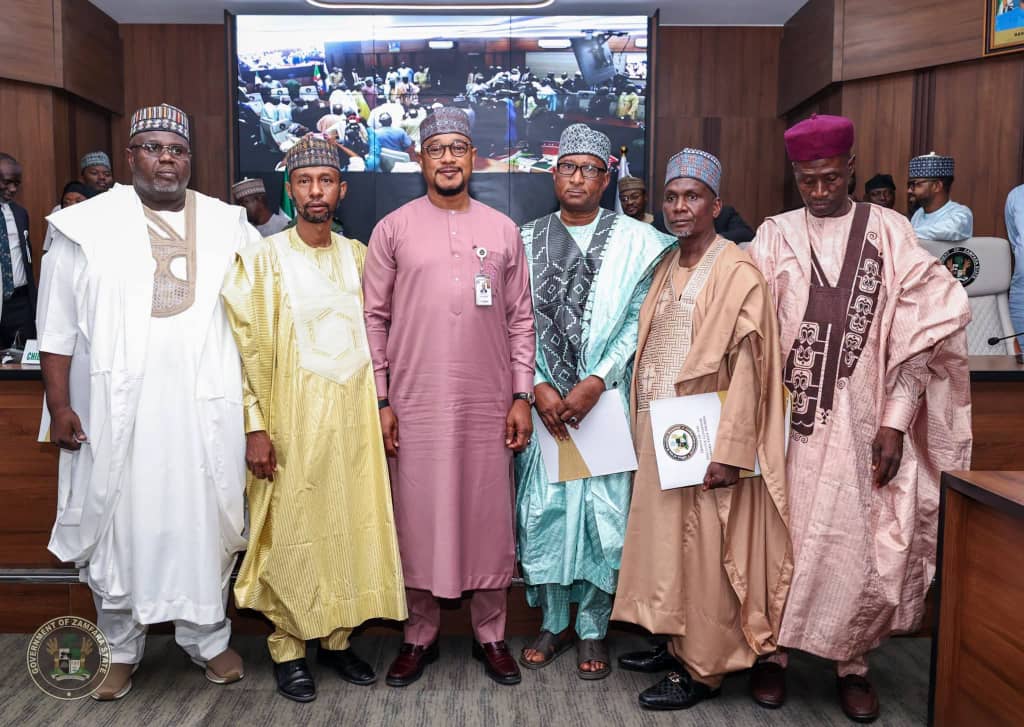
Dauda Lawal swears in five permanent secretaries in Zamfara, urging them to follow public service rules, financial regulations and relevant laws
Zamfara State Governor, Dauda Lawal, has sworn in five new permanent secretaries, urging them to comply with Public Service Rules, financial regulations and other relevant laws in the discharge of their duties.
Also read: 2027: 21 Adamawa LG Chairmen, 226 Councillors Dump PDP for APC
The swearing-in ceremony took place on Thursday at the Grand Chamber of the Government House in Gusau, the state capital.
The newly appointed permanent secretaries are Ahmad S. Zamfara, Nasiru Halilu Anka, Mu’azu Jibril Guraguri, Adamu Abdullahi Kanoma and Sani Muhammad Shinkafi.
The Chief Judge of Zamfara State, Justice Kulu Aliyu, administered the oath of office to the appointees, who pledged allegiance to the Federal Republic of Nigeria in accordance with the Constitution and the law.
Speaking at the ceremony, Lawal congratulated the new permanent secretaries, describing their appointments as recognition of their experience, abilities and readiness to take on greater responsibilities.
He said their roles extended beyond personal career advancement, noting that their decisions and conduct would influence government performance and the welfare of residents.
“The Permanent Secretary is central to Government, providing administrative leadership, institutional continuity, and policy advice while implementing approved programs,” the governor said.
He added that permanent secretaries were responsible for maintaining discipline, coordinating their establishments and ensuring that public resources were used for their intended purposes.
Lawal said his administration remained committed to strengthening government institutions and improving public administration to support Zamfara’s development priorities.
He noted that the civil service played a critical role in translating government decisions into practical results, particularly in the delivery of essential services.
The governor urged the new appointees to align their work with his administration’s priorities through proper planning, realistic implementation strategies, effective supervision and continuous assessment of results.
He also called on them to maintain constructive and professional relationships with commissioners and other political officeholders.
According to Lawal, political leaders are responsible for setting policy, while career civil servants provide the institutional knowledge, technical advice and administrative capacity needed to implement it.
He stressed that mutual respect and cooperation between political officeholders and career civil servants were essential to effective governance.
Also read: 2027: 21 Adamawa LG Chairmen, 226 Councillors Dump PDP for APC
The governor urged the permanent secretaries to uphold discipline and professionalism while ensuring that their departments supported the administration’s development agenda and served the needs of the people of Zamfara.
-
Politics3 years ago
13 Ondo Assembly Members Disown Endorsement of Aiyedatiwa
-
Politics3 years ago
APC Group, Ondo Govt, Quarrel Over Money for Endorsement
-

 Trending News5 years ago
Stop unsavoury, inciting statements – DSS warns
-

 Others5 years ago
Adron Homes Celebrates 10 Years Of Housing Excellence
-

 Humanity5 years ago
President Buhari Commiserates With Ambassador Maureen Tamuno Over The Loss Of Her Father
-

 Others7 years ago
EX- CUSTOMS BOSS, IBRAHIM MERA’S DWINDLING FAME
-

 Business2 years ago
Bigi Carbonated Soft Drinks Treats 40 Consumers to an Epic Easter Movie Hangout
-

 Business2 years ago
Wema Bank Shines at Global SME Finance Forum Conference Awards 2024 …Awarded: • SME Financier of the Year (Africa) • Platinum Award for Best Financier for Women Entrepreneurs (Africa)