News
Lagos Solar Project Cuts Diesel Costs, Boosts Radio Lagos

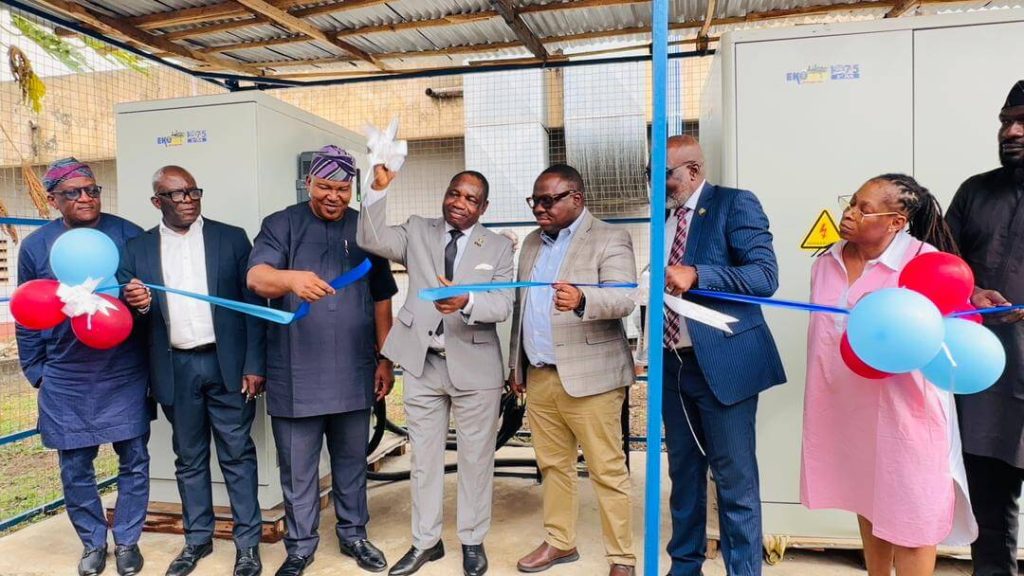
Lagos solar power Radio Lagos diesel reduction as state installs 150KVA system to cut costs and ensure uninterrupted broadcasting
The Lagos State Government on Tuesday, April 2, 2026, in Ikeja, Lagos, unveiled a Lagos solar power Radio Lagos diesel reduction initiative with the installation of a 150KVA outdoor solar power system at Radio Lagos and Eko FM, aimed at reducing diesel consumption, lowering operational costs, and ensuring uninterrupted broadcasting.
Also read: Gbenga Daniel Urges Bold Illicit Funds Amnesty Push

The project, executed by Alternatio Navitas Limited, was officially commissioned by the Lagos State Commissioner for Information and Strategy, Gbenga Omotoso, alongside the Commissioner for Energy and Mineral Resources, Biodun Ogunleye, marking a significant step in the state’s renewable energy transition.
General Manager of Radio Lagos and Eko FM, Olajide Lawal, described the development as a transformative milestone, noting that persistent power challenges had long affected broadcasting operations across the stations.
He said the installation would usher in a new era of stability, sustainability, and energy independence, ensuring continuous transmission even during national grid disruptions.
“For years, we have been committed to bringing reliable and quality information, entertainment and community engagements to our listeners,” Lawal said.
“But power challenges have always tested our resilience. Today, with the support of Governor Babajide Sanwo-Olu, that has changed.”
He added that the solar installation represented more than infrastructure upgrade, describing it as a strong commitment to innovation and environmental responsibility.
“This solar project is not about panels and batteries. It is a bold statement of dedication to innovation, environmental responsibility, and excellence in broadcasting,” he said.
Lawal further explained that the system would significantly reduce operational expenses while ensuring uninterrupted programming across both stations, regardless of grid instability.
The Chief Executive Officer of Alternatio Navitas Limited, Tayo Ogidan, said the project was designed to meet the specific energy demands of the broadcasting facilities, noting that Nigeria’s unreliable electricity supply necessitated alternative solutions.
He disclosed that the system includes a 150-kilowatt solar setup supported by 720-watt panels, designed to deliver consistent power output tailored to station operations.
“This is not just a technological upgrade. This is a beacon of hope for a brighter future,” Ogidan said.
Lagos State Commissioner for Energy and Mineral Resources, Biodun Ogunleye, urged proper management of savings generated from reduced diesel usage, stressing financial discipline in maintaining the system.
He also called for stronger energy conservation habits within public facilities, noting that sustainable usage remains key to long-term efficiency.
Commissioner for Information and Strategy, Gbenga Omotoso, said the decision to adopt solar energy was driven by the unsustainable cost of diesel-powered infrastructure, particularly in public institutions.
He revealed that the state had previously spent about ₦800 million monthly on fueling generators for streetlights, describing the expenditure as inefficient and unsustainable.
Also read: Gbenga Daniel Urges Bold Illicit Funds Amnesty Push
Omotoso added that the shift to solar power reflects a broader transformation in Lagos State’s energy policy, focused on renewable solutions, cost efficiency, and environmental sustainability.


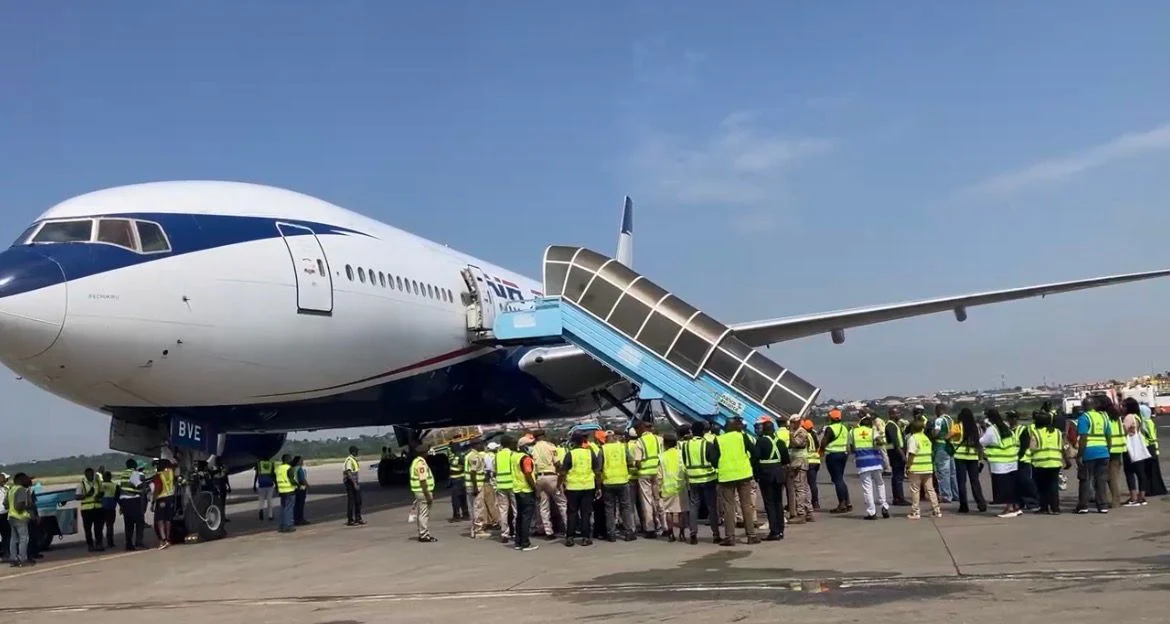
South Africa repatriates 586 Nigerians found residing illegally, with deportees barred from re-entering the country for five years
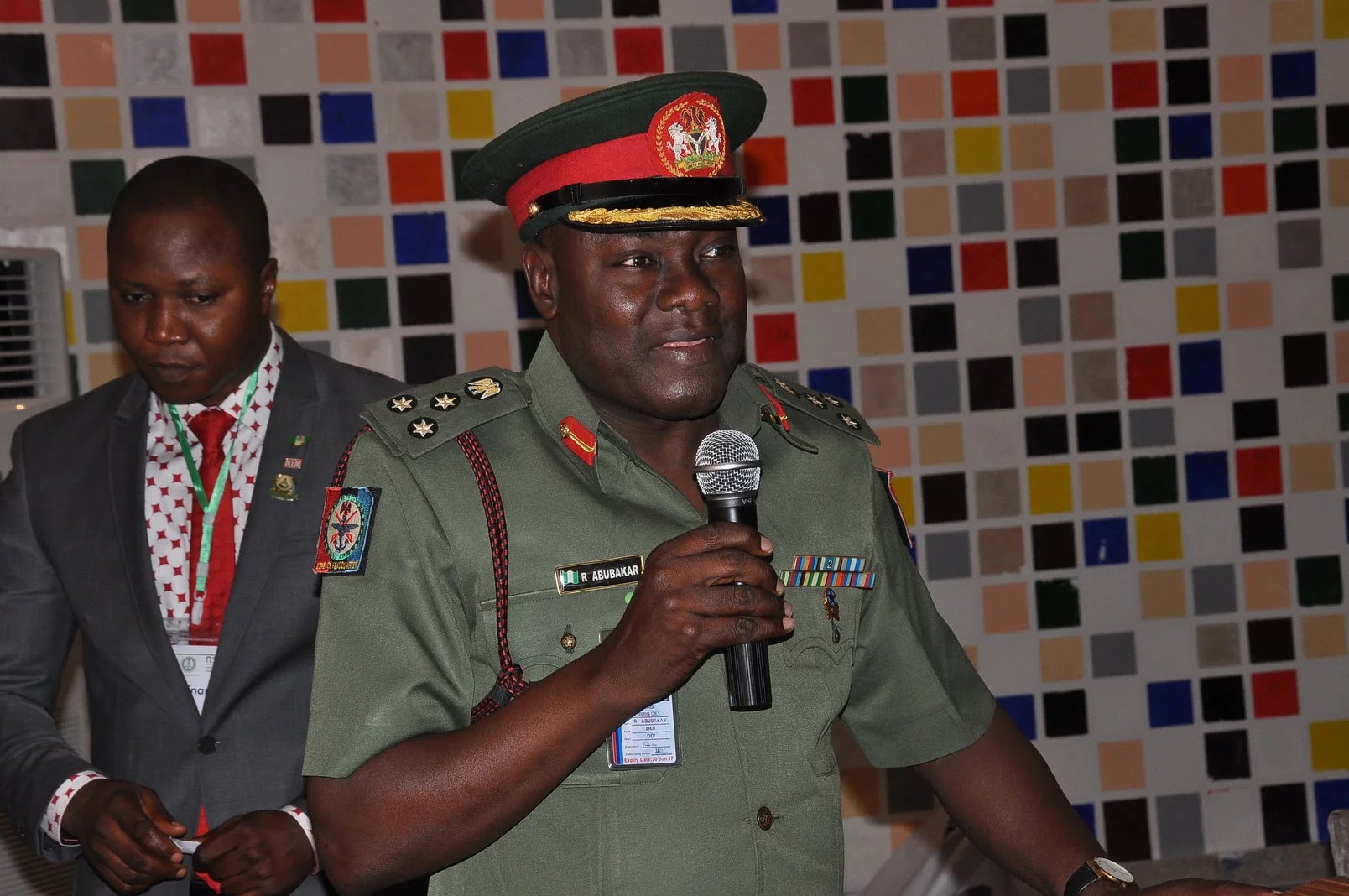
Katsina confirms tragic death of retired General Rabe Abubakar in bandit captivity, vows stronger action against insecurity
Nigeria migration crisis sparks urgent warning over rising emigration, unrest abroad, and calls for stronger governance and accountability
-
Politics2 years ago
13 Ondo Assembly Members Disown Endorsement of Aiyedatiwa
-
Politics2 years ago
APC Group, Ondo Govt, Quarrel Over Money for Endorsement
-

 Trending News5 years ago
Stop unsavoury, inciting statements – DSS warns
-

 Others4 years ago
Adron Homes Celebrates 10 Years Of Housing Excellence
-

 Humanity4 years ago
President Buhari Commiserates With Ambassador Maureen Tamuno Over The Loss Of Her Father
-

 Others7 years ago
EX- CUSTOMS BOSS, IBRAHIM MERA’S DWINDLING FAME
-

 Business2 years ago
Bigi Carbonated Soft Drinks Treats 40 Consumers to an Epic Easter Movie Hangout
-

 Business2 years ago
Wema Bank Shines at Global SME Finance Forum Conference Awards 2024 …Awarded: • SME Financier of the Year (Africa) • Platinum Award for Best Financier for Women Entrepreneurs (Africa)