
Brands
Chinese Brands Drop Mbappe Over Alleged Mao Joke

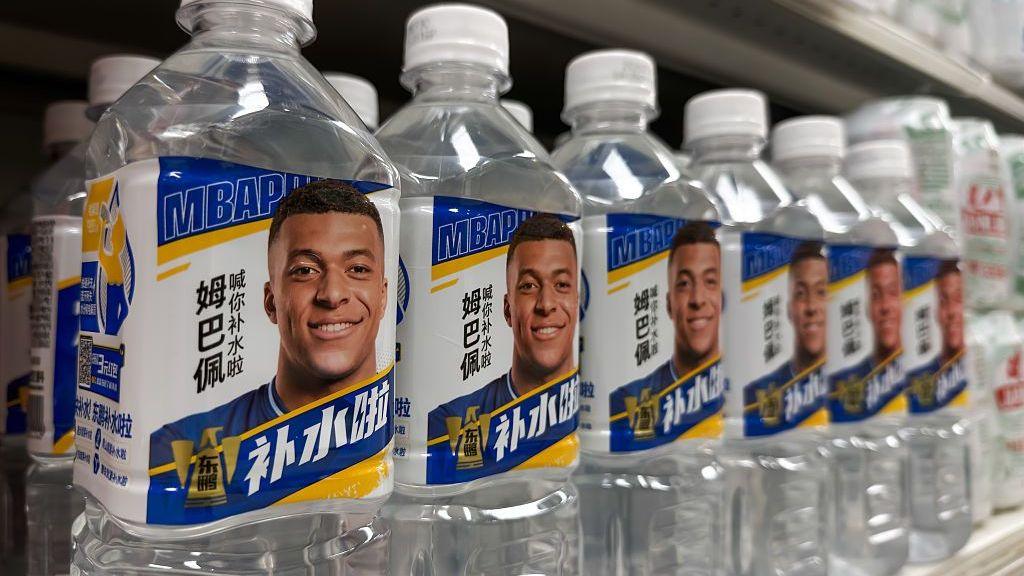
Mbappe China sponsorships have ended after Dongpeng and Mengniu dropped the football star over alleged remarks about a meme featuring Mao Zedong
Two major Chinese brands have ended their sponsorship partnerships with French football star Kylian Mbappe following the circulation of a video in which he allegedly joked about former Chinese leader Mao Zedong.
Also read: LASTMA Reports Tipper Incident on Lagos-Ibadan Expressway

Beverage company Dongpeng and dairy producer Mengniu announced the decisions on Tuesday, citing concerns that the remarks had offended Chinese national sentiment.
“Our company firmly opposes and has a zero-tolerance policy towards any behaviour that offends national sentiments,” Dongpeng said in a statement, announcing the immediate termination of its partnership with the Real Madrid forward.
Mengniu, China’s largest dairy producer, also confirmed that it was ending its collaboration with the 27-year-old France captain.
“With immediate effect, our company is terminating all cooperation with Kylian Mbappe,” the company said.
Mengniu added that it opposed words or actions that hurt the feelings of the Chinese people.
The decisions followed the circulation of a video in which Mbappe reportedly described the funniest internet meme he had seen as one featuring his face edited onto that of “some guy — I think he’s a Chinese dictator”.
The comment appeared to refer to an online meme depicting Mbappe as Mao, who led the Chinese Communist Party and died in 1976.
However, the authenticity of the video could not immediately be verified by AFP Fact Check.
Mao remains a sensitive figure in China, where jokes perceived as disrespectful towards the former leader can provoke public criticism.
Mbappe had been popular among Chinese football fans, attracting millions of followers on Chinese social media.
He is also nicknamed “Guigui”, a Chinese translation of “Turtle”, linked to an internet meme inspired by the Teenage Mutant Ninja Turtles.
Dongpeng had used AI-generated images of Mbappe drinking its sports beverage in advertising campaigns shown in China during this year’s World Cup.
The controversy also attracted attention on Weibo, China’s major social media platform, where the termination of Dongpeng’s partnership with Mbappe became a trending topic.
Some users supported the companies’ decisions, arguing that the alleged remarks crossed a line, while others called for Mbappe’s image to be removed from the beverage company’s products.
Chinese football outlet Dongqiudi criticised the reported comments in a statement on Monday evening, describing them as offensive to China and its people and saying they had hurt the feelings of Chinese football fans.
The incident follows Mbappe’s comments in September about another internet meme depicting him as a military dictator.
In an interview with French sports newspaper L’Équipe, he said some memes were intended as harmless fun but expressed discomfort with comparisons to historical figures responsible for widespread suffering.
“There’s a part of it that’s funny. You can tell that, for some people, it’s all in good fun. But there is another part that’s a bit less funny because of the damage such people have caused throughout history,” he said.
“Being compared to individuals who murder others, or who have brought misery to millions upon millions of people — well, I don’t think I’ve ever done anything like that in my life,” Mbappe added.
The controversy comes amid a history of disputes involving international sports figures and politically sensitive issues in China, including Taiwan, Tibet and Hong Kong.
In 2023, former NBA player Dwight Howard sparked criticism on Chinese social media after referring to Taiwan as a country in a video featuring Taiwan’s then-vice-president and current president, Lai Ching-te.
In 2019, a social media post by Houston Rockets general manager Daryl Morey supporting Hong Kong’s pro-democracy protests prompted a backlash in China, including the suspension of sponsorship agreements and a year-long withdrawal of NBA games from Chinese television.
Also read: LASTMA Reports Tipper Incident on Lagos-Ibadan Expressway
The latest episode highlights the commercial risks international athletes can face when remarks or online content are perceived as crossing political or cultural sensitivities in major sponsorship markets.


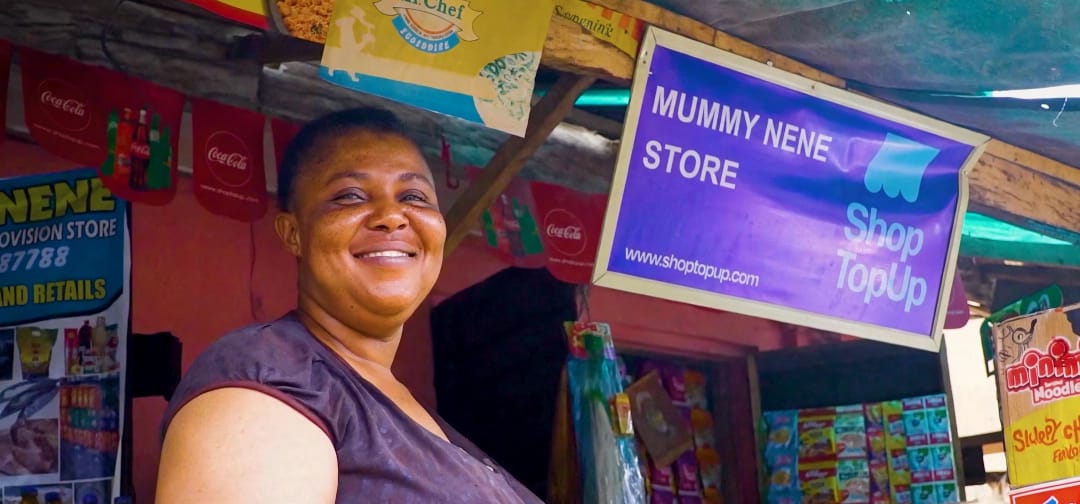
While conversations about the future of retail increasingly focus on supermarkets, shopping malls and online shopping platforms, millions of African consumers continue to rely on a more familiar and accessible business: the neighbourhood shop.
From small provision stores and corner shops to kiosks and informal retailers, these businesses remain an important part of everyday commerce, connecting communities to essential household products. However, behind their convenience lies a supply chain challenge that often limits their growth.
For many small retailers, sourcing products, managing inventory and securing enough working capital to keep their shelves stocked can be difficult. Fragmented distribution networks, multiple intermediaries and limited access to financing often make it harder for them to compete and expand.
Technology is beginning to offer a different possibility.
Digital platforms can simplify the way neighbourhood retailers purchase goods by connecting them more directly with manufacturers and distributors. They can streamline ordering, improve product availability and make inventory management more efficient.
Access to financial technology can further strengthen these businesses by helping eligible retailers secure the working capital required to replenish stock, respond to customer demand and grow sustainably.
One Nigerian technology company working to address these challenges is TradeDepot, which is using digital innovation to connect small retailers with manufacturers and distributors.
By making product sourcing and distribution more efficient, the company is helping to address some of the longstanding barriers facing small businesses in Africa’s retail sector.
However, scaling technology-driven solutions across a fragmented retail market requires more than innovation. It also demands significant investment.
This is where development finance and venture capital become important.
Through Boost Africa, the European Investment Bank (EIB) invested in Partech Africa Fund, a venture capital fund that subsequently backed TradeDepot. The investment illustrates how development finance can reach innovative African businesses through investment funds, providing capital to companies working to solve real economic challenges.
Boost Africa is a joint initiative of the European Investment Bank and the African Development Bank, with support from the European Union. The initiative supports African businesses and strengthens the continent’s entrepreneurial ecosystem by improving access to finance and opportunities for growth.
The wider significance of this investment goes beyond the technology platform itself. Strengthening neighbourhood retailers can contribute to more efficient supply chains, support small business growth and improve access to everyday consumer goods across communities.
For Africa, where small retailers remain central to local economies, the opportunity is substantial.
The future of retail may not necessarily involve replacing traditional neighbourhood shops with large supermarkets or online marketplaces. Instead, it could depend on equipping these existing businesses with better technology, stronger distribution networks and improved access to finance.
Ultimately, transforming retail may begin with something as familiar as the shop around the corner.
Boost Africa: From Capital to Impact.
Watch how TradeDepot is bringing commerce closer to communities through technology and investment:
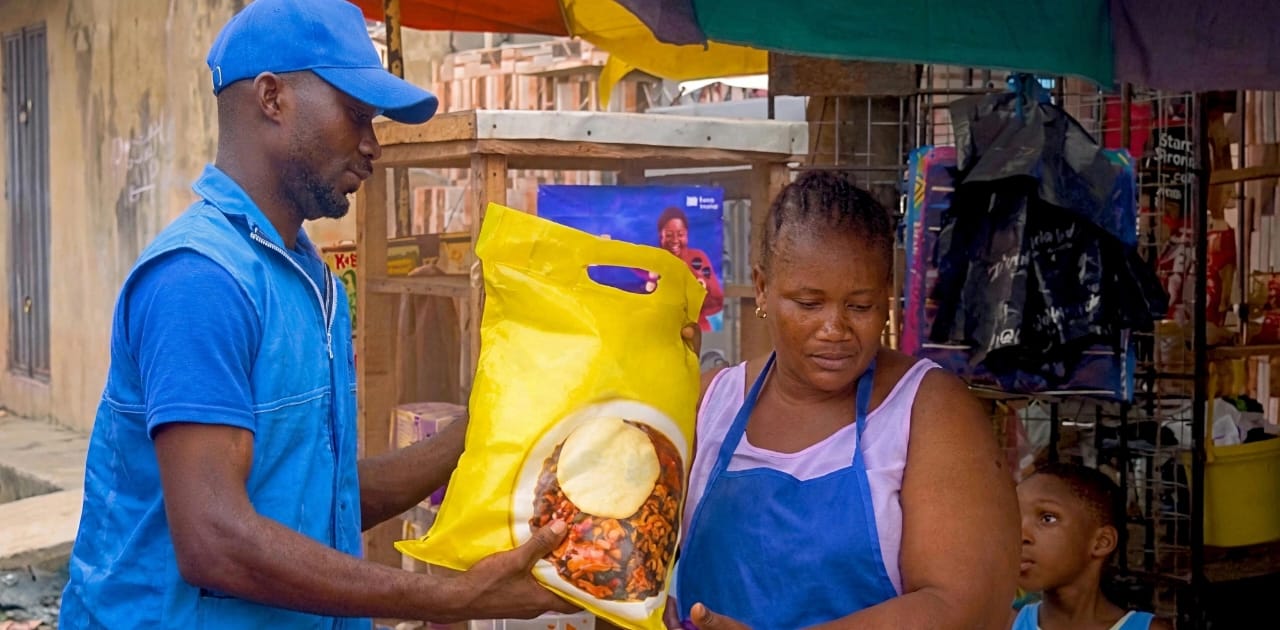
Ever wondered how the products on your neighbourhood shop shelves get there? Behind everyday purchases is a supply chain that can be costly, complex and inefficient, particularly for small retailers.
Nigerian technology company TradeDepot is changing this process by using technology to connect small retailers with manufacturers and distributors, making it easier for shop owners to order and receive the goods they need.
But transforming retail distribution takes more than an innovative idea. It requires investment to build, expand and scale.
Through Boost Africa, the European Investment Bank (EIB), alongside the African Development Bank and with support from the European Union, is helping strengthen the financing ecosystem for innovative African businesses.
One example is the EIB’s investment in Partech Africa Fund, which subsequently backed TradeDepot, helping channel capital into a Nigerian business working to improve how goods move from suppliers to neighbourhood shops.
The impact goes beyond technology. More efficient distribution can help small retailers access inventory, strengthen connections between manufacturers and suppliers, and bring commerce closer to the communities they serve.
Ultimately, TradeDepot’s story demonstrates how investment can go beyond funding to support stronger businesses, more efficient markets and opportunities for small retailers.
Boost Africa: From Capital to Impact.
Watch how TradeDepot is bringing commerce closer to communities.
▶ https://www.youtube.com/watch?v=zw9t2asF9Pc
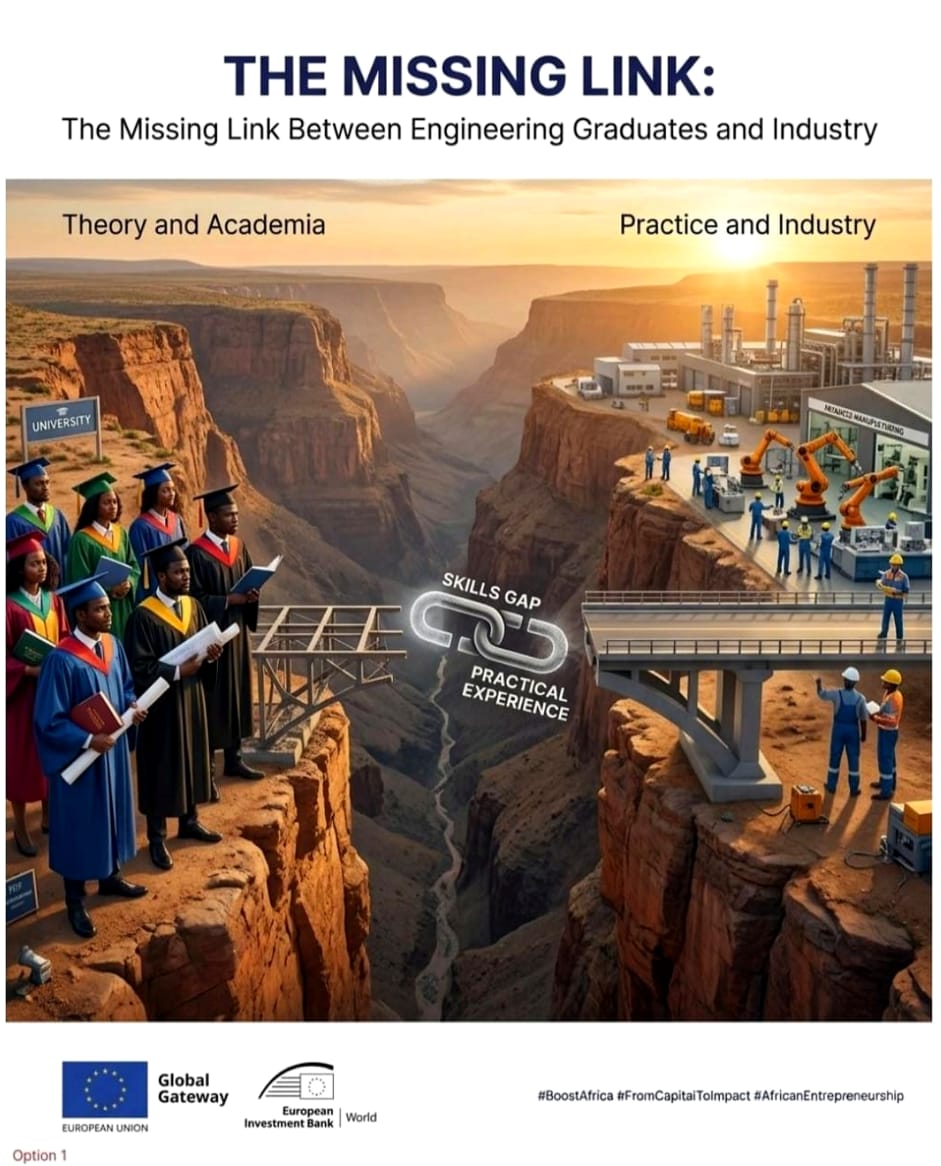
A university degree is a starting point, but practical industry experience can make all the difference.
Nigerian technology company ChipMango is bridging the gap through specialised semiconductor training and real-world chip design and verification projects, preparing African engineers for opportunities in the global technology industry.
Through Boost Africa, the EIB, AfDB and EU are strengthening the investment ecosystem supporting innovative African businesses.
Watch the video to discover how ChipMango is connecting engineering talent to real industry opportunities.
Watch the
video:
-
Politics3 years ago
13 Ondo Assembly Members Disown Endorsement of Aiyedatiwa
-
Politics3 years ago
APC Group, Ondo Govt, Quarrel Over Money for Endorsement
-

 Trending News6 years ago
Stop unsavoury, inciting statements – DSS warns
-

 Others5 years ago
Adron Homes Celebrates 10 Years Of Housing Excellence
-

 Humanity5 years ago
President Buhari Commiserates With Ambassador Maureen Tamuno Over The Loss Of Her Father
-

 Others7 years ago
EX- CUSTOMS BOSS, IBRAHIM MERA’S DWINDLING FAME
-

 Business3 years ago
Bigi Carbonated Soft Drinks Treats 40 Consumers to an Epic Easter Movie Hangout
-

 Business2 years ago
Wema Bank Shines at Global SME Finance Forum Conference Awards 2024 …Awarded: • SME Financier of the Year (Africa) • Platinum Award for Best Financier for Women Entrepreneurs (Africa)