
News
“Release Our Daddies” — Officers’ Children Storm N’Assembly Over Coup Detention


Military coup detention sparks emotional protest as families demand trial or release of detained officers held over alleged plot in Nigeria
Military Coup Detention Sparks Emotional Protest as scores of children and wives of detained Nigerian military officers on Wednesday staged a peaceful demonstration at the National Assembly complex in Abuja, demanding either a speedy trial or the release of their relatives held over an alleged coup plot.
Also read: Airfares Hold Steady Despite 184% Aviation Fuel Surge—Why Airlines Refuse to Raise Prices

The protesters arrived at the entrance of the National Assembly in a slow procession, holding placards with emotional messages including “Don’t Kill Our Daddies” and “Detention Without Trial is Injustice.” The demonstration drew attention to the prolonged detention of officers accused of involvement in an alleged coup conspiracy.
Tears flowed freely as children of the detained officers pleaded for justice and access to their fathers, many of whom they said had been in custody for several months without contact.
Eight-year-old Halima Mohammed, daughter of Lieutenant Colonel Mohammed Almakura, made an emotional appeal, saying her family’s life had been shattered since her father’s arrest. She urged authorities not to harm him and called for justice.
Nine-year-old Ibrahim Bala, son of Major Bala, also expressed deep anguish, stating he had not seen his father for months and missed his guidance and companionship at home.
Four-year-old Fatima Yusuf, daughter of a Wing Commander, made a direct appeal to national leaders, pleading for the safe return of her father and describing the emotional void left in her life.
Eleven-year-old Nana Aisha Usman urged the government to either release the officers or arraign them in court, insisting that justice must be served transparently.
She called for an open trial, stressing that the prolonged detention without charges had left families in distress and uncertainty.
A spouse of one of the detained officers, Nana Ibrahim, also criticised the handling of the case, describing the situation as questionable and demanding transparency in the investigation process.
She said the families were not being allowed access to the detained officers or legal representatives, despite claims that investigations had been concluded.
The emotional protest follows earlier appeals by families who had called on President Bola Tinubu to intervene and ensure either the release or formal arraignment of the officers.
The officers were first detained in October 2025 over alleged breaches of military regulations and suspected involvement in a wider conspiracy linked to a planned coup.
According to earlier findings, the alleged plot reportedly involved surveillance of key national assets, including the Presidential Villa and major military installations in Abuja.
Also read: Airfares Hold Steady Despite 184% Aviation Fuel Surge—Why Airlines Refuse to Raise Prices
The ongoing Military Coup Detention Sparks Emotional Protest continues to raise public concern over due process, human rights, and transparency in the handling of high-profile military detentions.



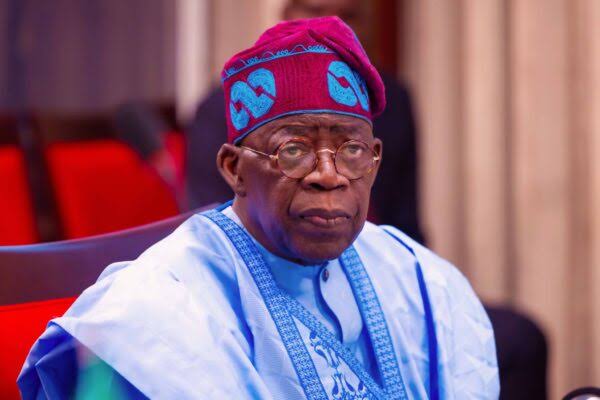
Tinubu food prices are monitored through regular briefings, presidential aide Abiodun Essiet says, as Nigerians continue to face cost-of-living pressures
President Bola Tinubu is aware of the prices of everyday food items, including eggs and bread, and receives regular briefings on the economic challenges facing Nigerians, the Senior Special Assistant to the President on Community Engagement for the North-Central region, Dr Abiodun Essiet, has said.
Also read:FG Urges Investment in Youth, SMEs and Local Industries to Grow Economy
Essiet made the remarks while speaking to State House correspondents at the Presidential Villa in Abuja on Tuesday, dismissing suggestions that journalists were the only people who understood the hardship experienced by ordinary Nigerians.
She also serves as the President’s representative for the North Central Citizens’ Assembly.
“I don’t feel it’s only media people who understand what the people are facing. Some of the reality of what our people are facing is what we are communicating to Mr President,” she said.
Essiet added that the President and members of the Federal Executive Council were regularly informed about the cost of basic commodities and the challenges confronting households.
“I usually tell people, you think Mr President doesn’t know the price of egg or bread in the market? He does, because we brief him regularly, and so do members of the Federal Executive Council,” she said.
The presidential aide also highlighted infrastructure development as a key component of the administration’s agenda, citing public reactions during a visit to a section of the Mokwa-Bida road in Niger State.
According to her, residents turned out in large numbers during the visit because of longstanding concerns about the condition of the road and calls for its rehabilitation.
“Yes, infrastructure is the bedrock of any development. When we went to the Mokwa-Bida road, come and see the crowd, because that is the road that people have been calling for Mr President to address,” she said.
Essiet claimed that the road had last been awarded for construction 46 years ago and highlighted the dangers motorists and other road users faced while navigating the route.
“Do you know how many people have died trying to manoeuvre that road? Trailers have had accidents trying to manoeuvre that road,” she added.
She said Tinubu had directed that the road be reconstructed using reinforced concrete rather than conventional asphalt, with the aim of improving its durability.
“Mr President said they should award the contract and make sure that the contract will be reinforced concrete, not just asphalt,” Essiet stated.
Her comments come amid continued public concern over food affordability and the cost of living.
On October 19, Vice President Kashim Shettima expressed optimism that food prices would decline in the coming weeks as the administration responds to challenges affecting agriculture.
Shettima made the statement at a forum titled “Together till 2027: An Evening with Original City Boy”, organised by the City Boy Movement alongside the Relax-Tinubu-Is-Fixing-Nigeria movement, groups supporting the President’s re-election bid.
Also read:FG Urges Investment in Youth, SMEs and Local Industries to Grow Economy
Essiet was appointed Senior Special Assistant to the President on Community Engagement for the North-Central region in 2024.
-
Politics3 years ago
13 Ondo Assembly Members Disown Endorsement of Aiyedatiwa
-
Politics3 years ago
APC Group, Ondo Govt, Quarrel Over Money for Endorsement
-

 Trending News5 years ago
Stop unsavoury, inciting statements – DSS warns
-

 Others5 years ago
Adron Homes Celebrates 10 Years Of Housing Excellence
-

 Humanity5 years ago
President Buhari Commiserates With Ambassador Maureen Tamuno Over The Loss Of Her Father
-

 Others7 years ago
EX- CUSTOMS BOSS, IBRAHIM MERA’S DWINDLING FAME
-

 Business3 years ago
Bigi Carbonated Soft Drinks Treats 40 Consumers to an Epic Easter Movie Hangout
-

 Business2 years ago
Wema Bank Shines at Global SME Finance Forum Conference Awards 2024 …Awarded: • SME Financier of the Year (Africa) • Platinum Award for Best Financier for Women Entrepreneurs (Africa)