
Economy
Naira Exchange Rate Decline Continues with 19 Kobo Dip Against Dollar

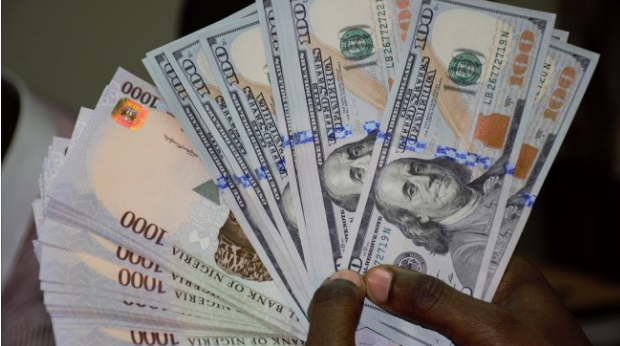
Naira exchange rate decline persists as it loses 19 kobo, closing at N1,533.74/\$1 Friday. CBN data shows gradual depreciation throughout the trading week

Naira exchange rate decline continued through the week, closing slightly weaker against the U.S. dollar on Friday at N1,533.74, a loss of 19 kobo compared to the previous day’s figure.
Also read: Black Market Dollar To Naira Exchange Rate Today 6th December 2021
According to data from the Central Bank of Nigeria (CBN), the local currency traded at N1,533.55 on Thursday. The depreciation followed a consistent trend over the week, showing only minor fluctuations in value.
On Wednesday, the naira dipped slightly to N1,534.52, compared to Tuesday’s stronger rate of N1,533.18. Interestingly, the week had opened on a marginally positive note with the naira trading at N1,534.20 on Monday.
The consistent softness of the naira suggests continued pressure in the foreign exchange market, with traders and analysts keeping a close watch on monetary policy signals and dollar inflows.
Also read: Dollar To Naira Exchange Rate Today 28 October 2021
Though the movement remains subtle, the naira exchange rate decline highlights the delicate balance the CBN must maintain in stabilizing the currency amidst global and domestic economic pressures.


Economy
Governor Dauda Lawal woos investors, highlights Zamfara’s economic opportunities at CEO Forum
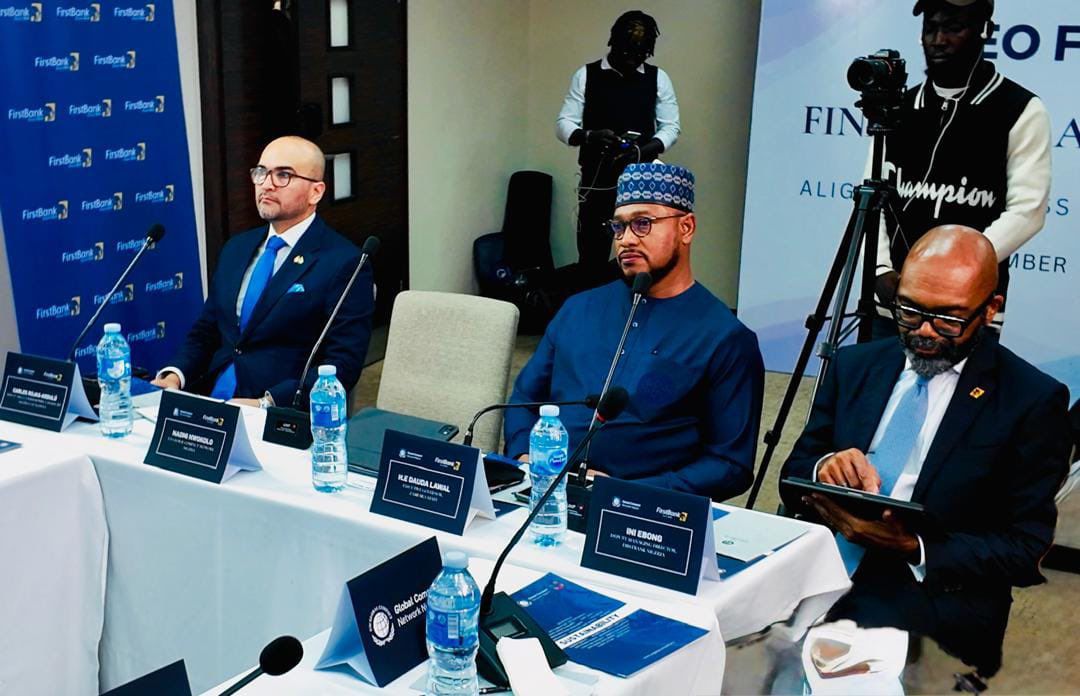
Zamfara State Governor, Dauda Lawal, has called for stronger collaboration between government, businesses and investors to unlock private capital and drive inclusive economic growth in the state.
Lawal made the call while delivering a Special Policy Address at the 2026 CEO Forum organised by the Global Compact Network Nigeria in Lagos.
The forum, held under the theme “Financing a Dignified Future: Aligning Business Action, Policy and Capital,” brought together chief executives, senior government officials, industry leaders, diplomats, trade commissioners and international development partners.
Participants were drawn from key sectors of the economy, including oil and gas, energy, manufacturing, construction and infrastructure.
The governor spoke on the growing competition among states for increasingly selective private capital and the factors that could transform an economic opportunity into an investable proposition.
He explained how his administration was working to bridge the gap between available economic opportunities and investment, with emphasis on building investor confidence while ensuring that investments deliver meaningful outcomes for the people of Zamfara.
According to him, attracting investment requires more than identifying economic opportunities, but also creating the conditions, policies and partnerships capable of giving investors confidence to commit capital.
The forum provided a platform for business leaders, government officials and investors to examine ways of aligning business strategies, public policies and capital deployment to unlock productive investment.
Discussions also focused on identifying businesses, sectors and projects with strong potential but facing difficulties in accessing financing, as well as measures to make such opportunities more attractive to investors.
The organisers also introduced the concept of the “Dignity Dividend,” examining how investment-led growth could translate into better jobs, stronger businesses, increased productivity, local value creation and broader economic participation.
Another key component of the forum was the identification of actionable commitments and partnerships that participating institutions could advance over the next six to 12 months.
Notable speakers at the event included chief executives of First Bank Group, Access Bank, Flour Mills of Nigeria Plc, Nigeria Economic Summit Group, Nigerian Exchange Group, Chellarams Plc, SecureID Group and Greenwich Merchant Bank Plc, among others.
The organisers said the session would culminate in a live showcase of the Business Value and Sustainability Platform (BVSP), described as a standing coalition of business, capital and policy actors designed to sustain the dialogue.
The platform is also expected to contribute to shaping Nigeria’s private-sector engagement during the United Nations General Assembly High-Level Week.
The governor’s participation in the forum comes as Zamfara seeks to strengthen its economic base, attract productive investment and create opportunities that can support sustainable livelihoods and wider participation in the state’s economy.


Atiku petrol subsidy plans have reignited Nigeria’s 2027 debate as the ADC candidate promises relief while the Presidency demands clarity
-
Politics3 years ago
13 Ondo Assembly Members Disown Endorsement of Aiyedatiwa
-
Politics3 years ago
APC Group, Ondo Govt, Quarrel Over Money for Endorsement
-

 Trending News5 years ago
Stop unsavoury, inciting statements – DSS warns
-

 Others5 years ago
Adron Homes Celebrates 10 Years Of Housing Excellence
-

 Humanity5 years ago
President Buhari Commiserates With Ambassador Maureen Tamuno Over The Loss Of Her Father
-

 Others7 years ago
EX- CUSTOMS BOSS, IBRAHIM MERA’S DWINDLING FAME
-

 Business2 years ago
Bigi Carbonated Soft Drinks Treats 40 Consumers to an Epic Easter Movie Hangout
-

 Business2 years ago
Wema Bank Shines at Global SME Finance Forum Conference Awards 2024 …Awarded: • SME Financier of the Year (Africa) • Platinum Award for Best Financier for Women Entrepreneurs (Africa)